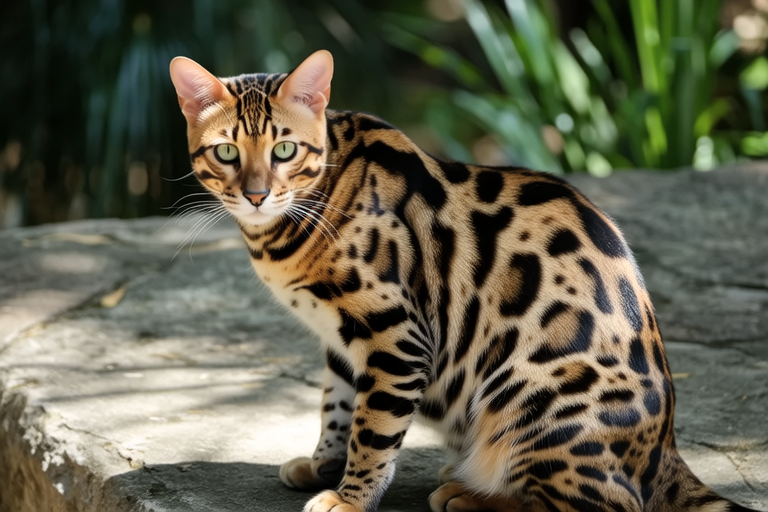
Exploring the Unique Characteristics of Bengal Cats
Bengal cats are among the most fascinating feline companions due to their striking wild appearance and friendly domestic nature. These captivating creatures have captured the hearts of many pet lovers with their distinctive looks and charming personalities. In this article, we will delve into the origins of Bengal cats, their physical traits, temperament, care requirements, and debunk some common misconceptions about them.
The Origins of Bengal Cats
Bengal cats originated from a crossbreeding program initiated by Jean Mill, an American breeder, in the 1960s. The goal was to create a domestic cat that retained the beauty and elegance of the Asian Leopard Cat (ALC) while being suitable as a household pet. By selectively breeding ALCs with domestic cats, particularly Abyssinians and Egyptian Maus, she managed to develop a breed that possesses the exotic appearance of its wild ancestor without the inherent aggression or wildness.
Physical Traits and Exotic Appearance
Bengal cats exhibit several physical traits inherited from their leopard cat ancestors, which contribute significantly to their striking appearance. One of the most notable features is their luxurious coat, characterized by a rich, golden-brown base color adorned with dark spots or rosettes resembling those found on leopards. This pattern can vary in intensity, ranging from subtle markings to bold, prominent designs.
Another hallmark of Bengal cats is their muscular build and athletic physique, giving them an almost panther-like presence. Their large, expressive eyes and slender yet powerful bodies further enhance their wild allure. Additionally, their tails are relatively short but thick, adding to their graceful demeanor.
Temperament and Behavior
Despite their wild ancestry, Bengal cats are known for their friendly and affectionate nature, making them excellent companions for families and individuals alike. They are highly intelligent and curious animals, often displaying playful and energetic behaviors. Their natural curiosity drives them to explore their surroundings, and they enjoy interactive play sessions with their owners.
Bengal cats tend to be vocal, frequently communicating through chirps, trills, and other sounds. They also form strong bonds with their human family members and may follow their owners around the house, seeking attention and companionship. However, it’s important to note that individual temperaments can vary, so potential owners should spend time interacting with different Bengals before choosing one.
Care Requirements
Proper care is essential for maintaining the health and well-being of Bengal cats. Regular grooming helps keep their coats shiny and free from tangles. While they are generally low-maintenance when it comes to grooming, occasional brushing is recommended to remove loose hair and prevent matting. Providing a stimulating environment with toys, scratching posts, and climbing structures encourages physical activity and mental stimulation.
Bengal cats require a balanced diet rich in protein to support their active lifestyles. High-quality commercial cat foods formulated for indoor cats are usually sufficient, but owners should consult with a veterinarian to determine the best nutritional plan based on their pet’s specific needs.
Health Considerations
Bengal cats are generally healthy cats, but like all breeds, they may be prone to certain genetic conditions. Hypertrophic cardiomyopathy (HCM), a heart disease, has been identified in some Bengal lines. Regular veterinary check-ups, including heart screenings, can help detect early signs of HCM and ensure timely treatment.
Another concern specific to Bengal cats is their susceptibility to skin issues, particularly if they inherit the recessive gene responsible for causing “leopard complex.” This condition can lead to patchy fur growth or alopecia. Genetic testing and careful breeding practices can help minimize the risk of passing on this trait.
Common Misconceptions
One common misconception about Bengal cats is that they are aggressive or dangerous due to their wild heritage. In reality, properly socialized and well-cared-for Bengals are gentle and loving pets. Another myth is that they cannot be trained; however, with patience and positive reinforcement techniques, Bengal cats can learn various tricks and commands.
Some people believe that Bengal cats require specialized care or living arrangements because of their exotic appearance. While they do benefit from an enriched environment, they can thrive in typical household settings provided they receive adequate attention, exercise, and mental stimulation.
Training and Socialization Needs
Early socialization plays a crucial role in shaping a Bengal cat’s behavior and ensuring they become well-adjusted pets. Introducing kittens to various stimuli, including different people, environments, and experiences, helps build confidence and reduces anxiety later in life. Positive reinforcement training methods, such as clicker training, can teach Bengals basic commands and improve their response to handling.
Bengal cats respond well to interactive play sessions that mimic hunting activities, providing both physical exercise and mental engagement. Owners should provide a variety of toys, including feather wands, laser pointers, and puzzle feeders, to keep their pets entertained and stimulated.
Tips for Selecting, Caring for, and Bonding with a Bengal Cat
When selecting a Bengal cat, consider visiting reputable breeders who prioritize the health and welfare of their animals. Look for kittens that display good temperaments, are well-socialized, and come from parents with documented health clearances.
To care for your Bengal cat, establish a routine that includes regular grooming, feeding, and playtime. Spend quality time together engaging in activities that promote bonding, such as cuddling, playing fetch, or teaching new tricks. Patience and consistency are key when building a strong relationship with your Bengal companion.
Selecting the Right Bengal Cat
Choosing the right Bengal cat involves considering factors such as age, gender, and personality. Younger kittens are more adaptable and easier to train, while adult cats may already have established preferences and habits. It’s essential to spend time observing each potential pet to find one that matches your lifestyle and expectations.
Establishing a Routine
Creating a consistent daily routine helps Bengals feel secure and comfortable in their environment. Feed them at regular intervals, provide opportunities for play and exercise, and allocate time for interaction and affection. Maintaining a predictable schedule fosters trust between you and your Bengal cat.
Building Strong Bonds
Bonding with your Bengal cat requires dedication and effort. Engage in activities that promote mutual enjoyment, such as playing fetch, practicing agility courses, or simply lounging together. Pay attention to your pet’s body language and vocalizations to understand their needs and preferences better.
