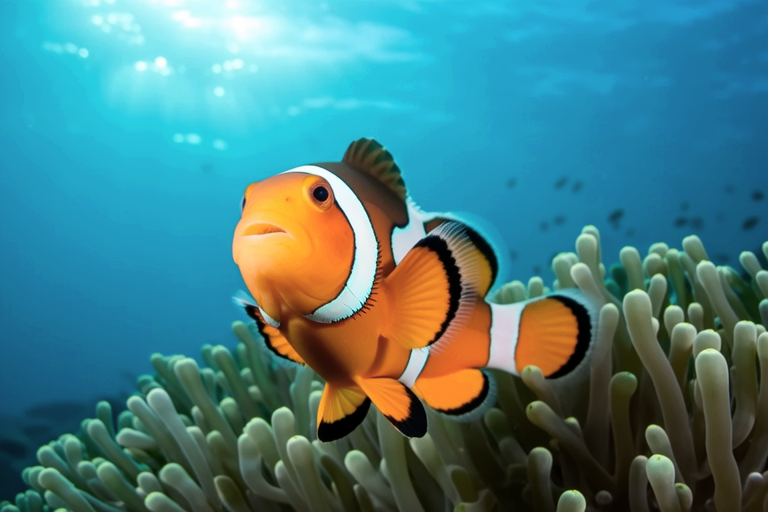
Underwater Charms: Discover the Secrets Behind the Popularity of Clownfish
Clownfish, with their vibrant orange bodies adorned with white stripes, are among the most recognizable and beloved fish in the world. These small, striking creatures have captivated the hearts of both children and adults alike. Their unique appearance and behavior have made them iconic figures in the aquatic world, but what exactly makes clownfish so popular? This article delves into the distinct characteristics of clownfish, their fascinating relationship with sea anemones, their cultural significance, and why they are favored by aquarium enthusiasts. We will also explore the importance of conservation efforts to protect these charming creatures and their habitats.
The Distinctive Appearance and Behavior of Clownfish
Clownfish, belonging to the genus Amphiprion and the family Pomacentridae, are known for their bright and eye-catching coloration. The most common species, the orange clownfish (Amphiprion percula), sports a vivid orange body with three white stripes that run horizontally across its body. These stripes serve as a form of camouflage, helping the fish blend in with the tentacles of their host sea anemone. The contrasting colors also play a role in communication within the group, signaling dominance and territory.
Beyond their appearance, clownfish exhibit fascinating behaviors that contribute to their appeal. They are highly social and live in tight-knit groups, typically consisting of one dominant female and several smaller males. The largest male acts as the secondary reproductive partner, ready to take over the role of the dominant female if she dies. This hierarchical structure ensures the survival of the species and adds an element of intrigue to their behavior.
The Symbiotic Relationship with Sea Anemones
The most remarkable aspect of clownfish biology is their symbiotic relationship with sea anemones. This mutualistic association benefits both parties involved. Sea anemones provide protection for clownfish by offering shelter from predators and a safe place to lay eggs. In return, clownfish help anemones by driving away potential threats such as butterflyfish, which feed on anemone tentacles. Additionally, clownfish excrete waste products that nourish the anemone, and their constant movement helps circulate water around the anemone, enhancing its respiration.
This unique partnership has fascinated marine biologists and aquarium hobbyists alike. The sight of clownfish darting among the tentacles of their host anemone creates a mesmerizing underwater ballet that is both beautiful and educational. It serves as a prime example of nature’s intricate balance and cooperation between species.
Cultural Significance: From Movies to Merchandise
The popularity of clownfish extends far beyond their natural habitat. One of the most significant contributions to their fame came from the 2003 animated film Finding Nemo, which starred Marlin, a clownfish father, and his son Nemo. This heartwarming story resonated with audiences worldwide, turning clownfish into household names. The movie’s success spawned numerous sequels, spin-offs, and merchandise, further cementing the fish’s status as cultural icons.
In addition to cinema, clownfish have appeared in various forms of media, including books, television shows, and video games. Their cheerful demeanor and vibrant colors make them ideal subjects for creative endeavors. This widespread representation has contributed to the public’s fascination with these fish and increased awareness about marine ecosystems.
Popularity Among Aquarium Enthusiasts
Clownfish are also highly sought after by aquarium hobbyists due to their ease of care and vibrant colors. Unlike many other saltwater fish, clownfish can thrive in a variety of tank conditions, making them accessible to both novice and experienced aquarists. Their adaptability stems from their ability to adjust to different environments, a trait developed through their symbiotic relationship with sea anemones.
Furthermore, the clownfish’s striking appearance makes them a favorite among aquarium owners. Their bright hues and playful movements add a splash of color and liveliness to any home aquarium. Many enthusiasts find joy in watching clownfish interact with their tank mates or engage in courtship dances, adding an entertaining element to their hobby.
Conservation Efforts and Protecting Clownfish Habitats
Despite their popularity, clownfish face numerous threats in the wild, including habitat destruction, climate change, and overfishing. Coral reefs, the primary habitat of clownfish, are particularly vulnerable to rising sea temperatures and ocean acidification, which can lead to coral bleaching and degradation. These changes not only affect the clownfish directly but also impact the entire ecosystem they depend on.
To address these challenges, various conservation efforts are underway to protect clownfish and their habitats. Marine protected areas (MPAs) have been established to safeguard critical reef systems and promote sustainable fishing practices. Additionally, breeding programs aim to reduce the demand for wild-caught clownfish and increase the availability of captive-bred individuals for the aquarium trade.
Education plays a crucial role in ensuring the long-term survival of clownfish populations. By raising awareness about the importance of preserving marine ecosystems, we can inspire future generations to take action and become stewards of our oceans. Simple steps, such as reducing plastic consumption and supporting eco-friendly businesses, can make a significant difference in protecting these charming creatures and their homes.
Conclusion
Clownfish, with their distinctive appearance, fascinating behaviors, and symbiotic relationships, have captured the imagination of people around the world. Their popularity is a testament to the magic of nature and the power of storytelling. As we continue to learn more about these incredible fish, it is essential to remember that their survival depends on the health of their habitats. By supporting conservation efforts and promoting sustainable practices, we can ensure that future generations will be able to marvel at the beauty and wonder of clownfish in their natural environment.
