Capturing the Charm of Squirrels: A Photographer’s Guide
Squirrels, with their bushy tails and inquisitive eyes, have long been cherished by wildlife enthusiasts and photographers alike. Their playful antics and endearing behaviors make them one of the most delightful subjects in nature photography. From the acrobatic leaps of red squirrels to the gentle nibbling of gray squirrels, each species brings its unique charm to the camera lens.
The Endearing Behaviors of Squirrels
One of the most captivating aspects of photographing squirrels is their array of adorable behaviors. These creatures are constantly on the move, whether they’re foraging for food, chasing each other, or simply basking in the sun. Watching them playfully leap from branch to branch, their tiny paws gripping the bark with surprising strength, can be a heartwarming sight. Some squirrels even engage in mock fights, swatting at each other with playful intensity. Their curiosity often leads them to investigate everything around them, including the photographer. This close interaction allows for some truly intimate shots that capture the essence of these charming animals.
Physical Features That Make Squirrels Adorable
Squirrels possess several physical traits that contribute to their cuteness. Their large, expressive eyes are particularly striking, giving them an almost human-like quality. The fluffy tails, which they use for balance and warmth, add to their whimsical appearance. When fully extended, these tails create a beautiful silhouette against the sky, making for stunning photographs. Additionally, the way they scrunch up their tiny faces when they’re focused on something is both amusing and adorable. Each species has its own distinct characteristics; for instance, the red squirrel boasts a reddish-brown coat, while the gray squirrel has a more muted fur color. These variations provide a wonderful opportunity to explore diversity within the subject matter.
Cute Squirrel Poses and Activities in Photos
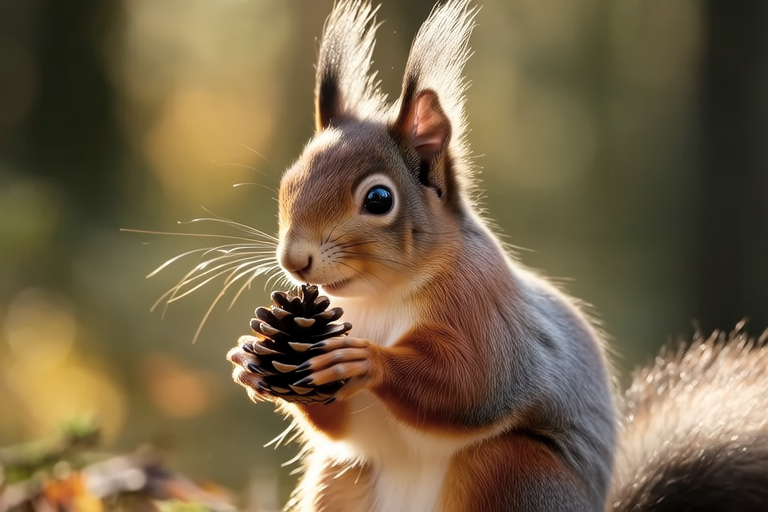
There are countless ways to capture the cuteness of squirrels through photography. One popular pose involves a squirrel sitting upright on its haunches, holding a nut between its paws. This image showcases their dexterity and concentration as they carefully nibble away at their meal. Another charming shot features a squirrel standing on its hind legs, looking directly into the camera with wide, curious eyes. This pose highlights their intelligence and playful nature. Photographs of squirrels leaping through the air also offer dynamic compositions that convey movement and energy. By capturing these moments, photographers can bring out the joy and wonder that squirrels bring to our world.
Playing
Playtime among squirrels can be a delightful spectacle. Younger squirrels often engage in games of chase, darting back and forth across open spaces or through dense underbrush. Older squirrels may join in, creating a lively scene filled with laughter and excitement. Capturing this kind of activity requires patience and timing. It’s essential to find areas where squirrels frequently gather, such as parks or wooded areas near residential neighborhoods. Once you’ve located a group, position yourself in a spot where you won’t disturb their natural behavior but still have clear lines of sight. Using a telephoto lens will help you maintain a safe distance while ensuring sharp focus on your subjects.
Eating
Observing squirrels during feeding times provides numerous opportunities for capturing adorable moments. Whether they’re munching on nuts, seeds, or fruits, their actions are always fascinating. They often sit upright, holding their food delicately between their front paws, occasionally pausing mid-bite to glance around cautiously. This posture creates a perfect composition for a photograph, especially when combined with soft lighting conditions like early morning or late afternoon sunlight. To enhance the effect, try incorporating elements from the surrounding environment, such as fallen leaves or nearby flowers, into the frame.
Exploring
Exploration is another key aspect of squirrel life that lends itself well to photography. As these animals venture into new territories, they exhibit a range of expressions and movements. Sometimes they walk slowly along branches, testing each one before committing to it fully. Other times, they dash quickly from tree to tree, their tails streaming behind them like banners. These exploratory journeys can lead to unexpected discoveries, such as hidden caches of food or interesting objects left by humans. Documenting these adventures offers viewers a glimpse into the adventurous spirit of squirrels.
Diversity Among Different Squirrel Species
While many people think primarily of common gray squirrels when envisioning these rodents, there exists a rich variety of squirrel species worldwide. In North America alone, there are over twenty different types, ranging from the diminutive pine squirrel to the robust fox squirrel. Each species possesses unique attributes that set it apart visually and behaviorally. For example, the Eastern fox squirrel boasts a reddish-brown coat and larger size compared to its relatives, while the Western gray squirrel exhibits distinctive silver-gray coloring. Exploring this diversity adds depth and interest to any collection of squirrel-themed images.
Eastern Fox Squirrel
The Eastern fox squirrel (Sciurus niger) is one of the largest members of the Sciuridae family, reaching lengths of up to twenty inches including tail. Its reddish-brown fur contrasts beautifully against green foliage, making it stand out in photographs. These squirrels tend to be more relaxed around humans than some other species, which makes them easier subjects for novice photographers. They often inhabit open woodlands and suburban areas, providing ample opportunities for candid shots.
Western Gray Squirrel
Native to parts of California and Oregon, the Western gray squirrel (Sciurus griseus) is known for its sleek, silver-gray coat and long, bushy tail. Unlike many other squirrels, this species does not hibernate during winter months, instead remaining active year-round. Their preference for oak forests means that photographers seeking to capture their likeness must venture into less populated regions. However, once found, these elusive creatures offer rewarding glimpses into their daily routines.
Pine Squirrel
The smallest member of the genus Tamiasciurus, the pine squirrel (Tamiasciurus hudsonicus), also goes by the name “red squirrel.” Despite its diminutive stature, this energetic little creature packs quite a punch in terms of personality. Its rusty-red fur and bright eyes give it a cheerful appearance that resonates strongly with audiences. Pine squirrels prefer coniferous forests, so those hoping to photograph them should look towards mountainous regions or northern climates.
Tips for Capturing Cute Photos of Squirrels
Photographing squirrels successfully requires both skill and preparation. First and foremost, familiarize yourself with local regulations regarding wildlife photography. Many areas have restrictions on approaching certain animals too closely, so understanding these guidelines ensures ethical practices. Next, invest in appropriate equipment. A good quality telephoto lens is invaluable for maintaining distance while achieving crisp details. Tripods can also prove useful for steady shots, especially when working in low light conditions. Finally, practice patience. Squirrels are unpredictable creatures whose actions cannot always be anticipated. Spending time observing their habits helps anticipate prime photo opportunities.
Selecting Locations
Choosing the right location is crucial for successful squirrel photography. Parks and gardens provide ideal settings due to their accessibility and abundance of food sources. Look for places where trees line paths or where bushes offer cover without obstructing views. Natural reserves and wildlife sanctuaries might also yield fruitful results, though access may require permits. Always prioritize safety when selecting locations, ensuring they are free from hazards such as busy roads or dangerous wildlife.
Timing Your Shots
The time of day significantly impacts the quality of squirrel photographs. Early mornings and late afternoons, when shadows are longer and lighting softer, typically produce better images. During these periods, squirrels are generally more active, increasing chances of capturing desirable poses. Additionally, consider seasonal factors; spring and autumn often see heightened activity levels among squirrels preparing for breeding season or storing food for winter.
The Universal Appeal of Squirrels in Nature Photography
No matter where one resides, encountering a squirrel in its natural habitat evokes feelings of warmth and connection to the outdoors. Their presence serves as a reminder of the beauty and complexity of ecosystems. Through photography, we can share these experiences with others, fostering appreciation for wildlife conservation efforts. Moreover, sharing stories about personal encounters with squirrels inspires curiosity and encourages exploration of nature. Ultimately, the universal appeal of squirrels lies in their ability to bring joy and wonder into our lives.
