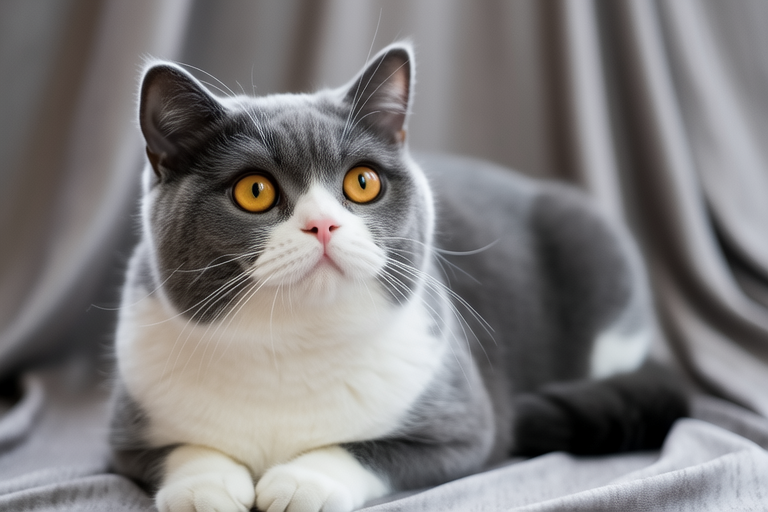
The Munchkin Cat: From Rare Breed to Internet Sensation
The Munchkin cat, with its unique short legs, has captured the hearts of cat enthusiasts around the world. This peculiar trait makes the Munchkin stand out among other feline breeds, and its story is one of genetic intrigue, health considerations, and cultural impact. Let’s delve into the origins of this fascinating breed, explore its genetic makeup, and trace its journey from a rare curiosity to a beloved internet star.
Origins and Genetic Factors
The Munchkin cat originated from a spontaneous mutation in the late 20th century. The first recorded Munchkin appeared in Louisiana in 1983, when a woman named Sandra Hochenedel discovered a pregnant stray cat with unusually short legs. She named this cat Blackberry, and from her litter came the foundation for the Munchkin breed. The short-legged trait is caused by a dominant gene mutation that affects the long bones in the legs, resulting in a condition similar to achondroplasia in humans. This mutation can be traced back to a single ancestor, making the Munchkin breed relatively young compared to other established cat breeds.
The genetic factor responsible for the Munchkin’s unique appearance is a mutation in the fibroblast growth factor receptor 3 (FGFR3) gene. This gene plays a crucial role in bone development and growth. In the case of the Munchkin, the mutation leads to shorter limbs while the rest of the body develops normally. However, this genetic trait also brings certain health considerations that potential owners should be aware of.
Health Considerations
While the Munchkin’s short legs are a source of fascination, they can also lead to specific health issues. Due to their unique skeletal structure, Munchkins are more prone to joint problems, such as hip dysplasia and lordosis, which is a condition where the spine curves abnormally. Additionally, their shortened limbs can make them more susceptible to arthritis as they age. It is important for owners to provide a comfortable living environment, with soft bedding and ramps to help them navigate their surroundings easily.
Despite these challenges, many Munchkins live healthy lives with proper care and attention. Regular veterinary check-ups and a balanced diet are essential to maintain their well-being. Some Munchkins have even become ambassadors for their breed, inspiring others to learn more about their unique needs and characteristics.
Notable Munchkin Cats
One such ambassador is Toulouse, a Munchkin cat who gained fame for his playful antics and endearing personality. Toulouse was known for his love of chasing toys and his ability to leap surprisingly high despite his short legs. His owner, Carol Hogg, shared videos of Toulouse on social media, showcasing his agility and charm. These clips quickly went viral, drawing attention to the Munchkin breed and helping to dispel misconceptions about their physical limitations.
Another notable Munchkin is Grumpy Cat, whose fame transcended her breed. While Grumpy Cat was not a purebred Munchkin but rather a hybrid, her facial expression and dwarfism made her an internet sensation. Her grumpy face and short stature resonated with millions of people, further popularizing the idea of short-legged cats. Grumpy Cat’s rise to stardom brought increased awareness to the Munchkin breed, contributing to its growing popularity.
Journey to Mainstream Recognition
The Munchkin’s journey to mainstream recognition began with the efforts of dedicated breeders and enthusiasts who worked tirelessly to establish the breed’s standards and promote its unique qualities. In 1994, the International Cat Association (TICA) recognized the Munchkin as a provisional breed, allowing it to compete in shows. This recognition was a significant milestone for the breed, as it opened the door to greater visibility and acceptance within the cat fancy community.
In the early 2000s, the internet became a powerful platform for the Munchkin’s rise to fame. Social media platforms like YouTube, Instagram, and Twitter allowed cat lovers to share photos and videos of their Munchkins, creating a global community of admirers. The Munchkin’s quirky appearance and playful nature made it an ideal subject for viral content, and soon, the breed became synonymous with internet fame. Celebrities and influencers joined the trend, sharing posts about their own Munchkins, further boosting the breed’s profile.
Current Status and Future Prospects
Today, the Munchkin cat is a well-known and beloved breed, cherished by cat enthusiasts worldwide. Its distinctive appearance and friendly demeanor make it a popular choice for families and individuals looking for a unique companion. The breed’s growing popularity has led to increased demand, and many reputable breeders now offer Munchkins for adoption.
As the Munchkin continues to gain recognition, it is important to ensure ethical breeding practices that prioritize the health and well-being of the cats. Responsible breeders work closely with veterinarians to monitor the health of their Munchkins and provide them with the best possible care. They also educate potential owners about the breed’s unique needs, ensuring that each Munchkin finds a loving home where it can thrive.
The future of the Munchkin cat looks bright, with continued growth in popularity and acceptance within the pet community. As more people discover the joys of owning a Munchkin, the breed is likely to remain a favorite among cat lovers for years to come. Whether through social media, cat shows, or simply word-of-mouth, the Munchkin’s appeal is undeniable, and its place in the hearts of pet owners worldwide is secure.
Conclusion
The Munchkin cat, with its short legs and endearing personality, has come a long way since its discovery in Louisiana in 1983. From a rare breed with a unique genetic trait to an internet sensation, the Munchkin’s journey is one of resilience, adaptation, and love. Its distinctive appearance and playful nature have captured the hearts of millions, and its growing popularity shows no signs of slowing down. As we look to the future, the Munchkin cat will undoubtedly continue to inspire and delight, solidifying its place as a beloved member of the feline family.
