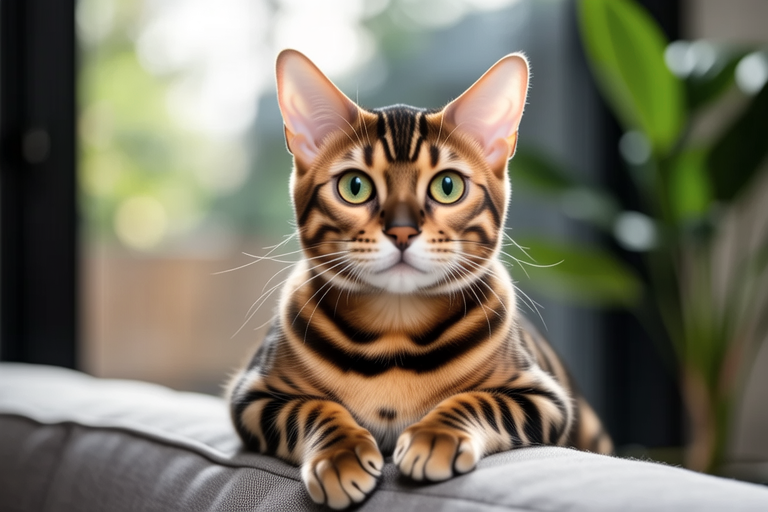
From Jungle to Living Room: Raising a Bengal Cat
The Bengal cat is a unique and captivating breed that combines the elegance of a domestic cat with the striking appearance of its wild ancestors. Originating from a cross between the Asian leopard cat and various domestic breeds, the Bengal cat has become one of the most popular and beloved pets among cat enthusiasts. This article delves into the history, characteristics, care, and bonding experiences associated with raising a Bengal cat.
The Origins of Bengal Cats
The Bengal cat’s story begins with the Asian leopard cat (ALC), a small wild feline native to parts of Asia. In the mid-20th century, breeders sought to combine the exotic beauty of the ALC with the docile nature of domestic cats, resulting in the first generation of Bengals. These initial hybrids were not always suitable as pets due to their wild tendencies. However, through selective breeding over several generations, breeders have developed a cat that retains the distinctive markings and wild looks of its ancestors while being fully domesticated.
Today, Bengal cats are recognized by many cat registries worldwide, including The International Cat Association (TICA) and the Cat Fanciers’ Association (CFA). Their wild lineage gives them a unique place in the world of domestic cats, making them both beautiful and fascinating companions.
Key Characteristics of Bengal Cats
Appearance
Bengal cats are known for their striking appearance, which closely resembles that of their wild relatives. They have a sleek, muscular build, large, expressive eyes, and a coat that often features spots or marbling. The most common coloration is a rich brown tabby pattern, but other variations such as snow, seal lynx point, and melanistic (black panther) also exist. One of the most distinctive features of Bengal cats is their luxurious, short fur, which can have a shimmering, almost metallic sheen, giving them the appearance of having been dipped in gold dust.
Temperament
Despite their wild ancestry, Bengal cats are generally friendly and affectionate towards their owners. They enjoy interacting with humans and can be quite playful, often displaying behaviors reminiscent of their wild counterparts, such as pouncing, climbing, and chasing toys. Bengal cats tend to form strong bonds with their families, often following their owners around the house and seeking attention. They are intelligent animals that require mental stimulation and can learn tricks and commands, further enhancing their bond with their human companions.
Energy Levels
Bengal cats are highly energetic and active creatures. They thrive on physical activity and need plenty of opportunities to play and explore. Their high energy levels make them well-suited for households where there are children or other pets that can provide companionship and engage in play. Providing toys that encourage jumping, climbing, and chasing will help keep your Bengal cat entertained and satisfied.
Caring for Your Bengal Cat
Diet
Feeding your Bengal cat a balanced and nutritious diet is essential for maintaining their health and energy levels. High-quality commercial cat food that meets the nutritional requirements of your cat’s age, size, and activity level is recommended. Wet food can be particularly beneficial as it provides moisture, which helps prevent dehydration and promotes healthy urinary tract function. Avoid feeding your Bengal cat foods that are harmful to cats, such as chocolate, caffeine, onions, and garlic.
Grooming
Bengal cats have short, dense coats that require minimal grooming. Regular brushing with a soft-bristled brush or comb can help remove loose hair and distribute natural oils throughout the coat, promoting a healthy shine. Bathing is generally unnecessary unless your cat gets particularly dirty or develops skin issues. Bengal cats tend to be fastidious groomers, so they will spend a significant amount of time cleaning themselves.
Exercise Needs
To keep your Bengal cat physically and mentally stimulated, provide ample opportunities for exercise. Interactive toys, climbing structures, and scratching posts are excellent ways to channel their energy. Consider investing in a laser pointer or feather wand to engage in play sessions that mimic hunting behavior. Encouraging your cat to jump and climb will help maintain muscle tone and prevent obesity.
Health Considerations
Regular veterinary check-ups are crucial for monitoring your Bengal cat’s health. Some common health issues that Bengal cats may face include:
- Hypertrophic cardiomyopathy (HCM): A heart condition that can affect Bengal cats, especially those with a higher genetic predisposition.
- Patellar luxation: A joint disorder that can cause lameness and discomfort.
- Lymphoma: A type of cancer that can occur in Bengal cats, often affecting the gastrointestinal tract.
Vaccinations and preventive treatments for parasites, such as fleas, ticks, and intestinal worms, should be kept up-to-date to protect your cat from potential diseases.
Creating a Stimulating Environment
Given their high energy levels and curious nature, it is important to create a stimulating environment for your Bengal cat. Here are some ideas:
- Vertical Space: Provide shelves, cat trees, and window perches to allow your cat to climb and observe the world from above.
- Interactive Toys: Rotate toys regularly to keep your cat interested and engaged. Puzzle feeders and treat-dispensing toys can provide mental stimulation while encouraging problem-solving skills.
- Safe Outdoor Access: If possible, consider building a catio or using a harness and leash to allow your Bengal cat to experience the outdoors safely.
Remember that Bengal cats are highly intelligent and need mental challenges to stay happy and healthy. Providing a variety of toys and activities will help keep them entertained and prevent boredom.
Bonding with Your Bengal Cat
Bonding with your Bengal cat requires patience, consistency, and understanding of their unique personality. Spend quality time with your cat each day, engaging in play, petting, and positive reinforcement training. Respect their boundaries and avoid overwhelming them with too much attention at once. Over time, you will develop a strong and rewarding bond with your Bengal cat.
Common Behaviors
Bengal cats exhibit a range of behaviors that reflect their wild ancestry. Some common behaviors include:
- Chasing and Pouncing: Bengal cats love to chase moving objects and pounce on toys or prey-like items.
- Playing in Water: Many Bengal cats enjoy playing with water, whether it’s splashing in a bowl or running through a shallow puddle.
- Marking Territory: While neutering/spaying reduces marking behavior, some Bengal cats may still scratch or spray to claim their territory.
Understanding these behaviors and providing appropriate outlets for expression will help you maintain a harmonious relationship with your Bengal cat.
The Commitment and Rewards of Owning a Bengal Cat
Owning a Bengal cat is a rewarding yet challenging experience. These cats require a significant investment of time, effort, and resources to ensure their well-being. However, the benefits of sharing your life with a Bengal cat are immeasurable. Their intelligence, loyalty, and playful nature make them delightful companions. With proper care, attention, and a stimulating environment, your Bengal cat will bring joy and excitement into your home for many years to come.
In conclusion, raising a Bengal cat is a unique and fulfilling experience that requires dedication and understanding. By learning about their origins, characteristics, and specific needs, you can provide your Bengal cat with the best possible life. Embrace the journey of raising this special breed and cherish the moments spent together.
