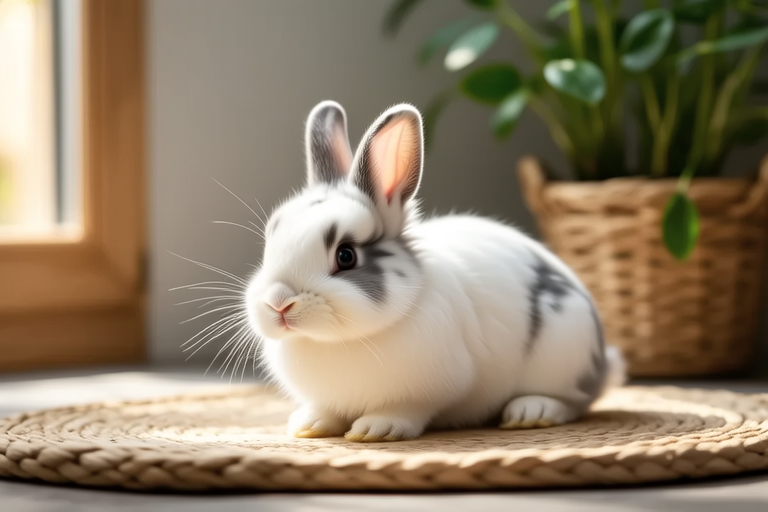
Raising a Happy and Healthy Dutch Dwarf Rabbit at Home
Welcome to the wonderful world of Dutch Dwarf Rabbits! These small, compact rabbits are known for their playful personalities and charming appearance, making them popular pets for both first-time and experienced rabbit owners. However, raising a happy and healthy Dutch Dwarf Rabbit requires attention to several key areas, from providing the right living conditions to ensuring proper nutrition and socialization. This comprehensive guide will walk you through everything you need to know about caring for your Dutch Dwarf Rabbit.
Choosing the Right Living Conditions
Dutch Dwarf Rabbits are small creatures that require a safe and comfortable living space. Ideally, they should be housed indoors, away from extreme temperatures and potential predators. A spacious hutch or cage is essential, with dimensions no less than 3 feet long, 2 feet wide, and 2 feet high. The enclosure should provide ample room for the rabbit to move around freely and stretch out fully. Additionally, a solid floor is preferable to wire flooring to prevent sore hocks, a painful condition caused by prolonged contact with wire surfaces.
Ensure the living area has good ventilation but is protected from drafts. Place the enclosure in a quiet corner of your home where your rabbit can feel secure. Adding soft bedding such as straw or shredded paper can make the space more comfortable. Provide a hiding spot like a cardboard box or a tunnel to give your rabbit a sense of security.
Dietary Requirements
A balanced diet is crucial for the health and longevity of your Dutch Dwarf Rabbit. Their primary food source should be hay, which should make up the majority of their daily intake. Timothy hay is particularly recommended as it aids digestion and helps wear down their continuously growing teeth. Fresh vegetables, such as carrots, bell peppers, and romaine lettuce, should be offered daily in moderation. Avoid feeding too many leafy greens, as they can cause diarrhea.
Commercial rabbit pellets can be provided in small quantities to supplement their diet, but be cautious not to overfeed. Treats like fruits should be given sparingly, as they are high in sugar. Always ensure access to fresh water, either through a sipper bottle or a shallow dish, and clean it regularly to maintain hygiene.
Exercise Needs
Dutch Dwarf Rabbits are active animals that require regular exercise to stay fit and mentally stimulated. While their living space should offer enough room to move around, it’s important to allow them supervised time outside their enclosure each day. A playpen or a rabbit-proofed room can serve as a safe area for them to explore. During this time, engage them in activities that encourage physical activity, such as chasing after a toy or digging in a sandbox designed specifically for rabbits.
Providing tunnels, ramps, and platforms within their enclosure can also promote climbing and jumping. Toys that mimic natural behaviors, such as chew sticks and balls, can keep them entertained and prevent boredom. Remember, mental stimulation is just as important as physical exercise, so rotate toys frequently to keep things interesting.
Grooming Tips
Grooming is an essential part of maintaining your Dutch Dwarf Rabbit’s health. Regular brushing, especially during shedding seasons, helps remove loose fur and prevents hairballs. Use a slicker brush or a fine-tooth comb to gently brush their coat. Bathing should be avoided unless absolutely necessary, as rabbits are very sensitive to water. Instead, clean any dirty areas with a damp cloth.
Trimming nails is another important grooming task. Use nail clippers designed for small animals and take care not to cut the quick, which contains blood vessels and nerves. If unsure, consult a veterinarian for guidance. Additionally, check their ears regularly for signs of infection or mites and clean them gently if needed.
Common Health Issues
Like all pets, Dutch Dwarf Rabbits can be prone to certain health issues. Dental problems, particularly malocclusion, are common due to their constantly growing teeth. Signs include drooling, difficulty eating, and weight loss. Regular dental check-ups by a veterinarian can help catch these issues early. Gastrointestinal stasis, a condition where the digestive system slows down, can be prevented by maintaining a fiber-rich diet and encouraging regular exercise.
Mites and fleas are external parasites that can cause discomfort and skin irritation. Keep the living area clean and use appropriate treatments under veterinary supervision. Vaccinations are not typically required for rabbits, but annual check-ups are advisable to monitor overall health and address any emerging issues.
Socialization
Dutch Dwarf Rabbits are social animals that thrive on interaction with their human companions. Spend quality time with your rabbit every day, offering gentle handling and positive reinforcement. They enjoy being petted and scratched behind the ears. Introduce new people gradually to help them become comfortable with different individuals. Rabbits can also bond with other rabbits, but introductions should be done carefully to avoid territorial disputes.
Training your rabbit to come when called or perform simple tricks can strengthen the bond between you. Positive reinforcement techniques, such as offering treats and praise, work best. Be patient and consistent, and always end sessions on a positive note. Training not only enhances your relationship but also provides mental stimulation for your rabbit.
Selecting Appropriate Toys and Accessories
Toys and accessories play a vital role in keeping your Dutch Dwarf Rabbit entertained and engaged. Chew toys made from untreated wood or cardboard satisfy their natural chewing instincts and help wear down their teeth. Balls, tunnels, and activity centers encourage exploration and play. Puzzle feeders that dispense treats when manipulated can stimulate their minds and provide a fun challenge.
Providing a variety of toys and rotating them periodically keeps things fresh and exciting. Consider adding a litter box to encourage proper bathroom habits, and place it in a designated area of their living space. A dust-free litter made from paper or recycled materials is recommended.
Creating a Nurturing Environment
The most important aspect of raising a happy and healthy Dutch Dwarf Rabbit is creating a nurturing environment. Pay attention to their individual needs and preferences, and be responsive to any changes in behavior or health. Regular interaction, a balanced diet, and a stimulating living space contribute to their well-being. By providing love, care, and attention, you can ensure your Dutch Dwarf Rabbit leads a fulfilling life filled with joy and happiness.
Raising a Dutch Dwarf Rabbit is a rewarding experience that brings companionship and joy into your home. With proper care and attention to their specific needs, you can ensure your rabbit thrives in a nurturing and enriching environment. Enjoy the delightful company of these charming creatures, and watch them grow into loving and playful companions.
