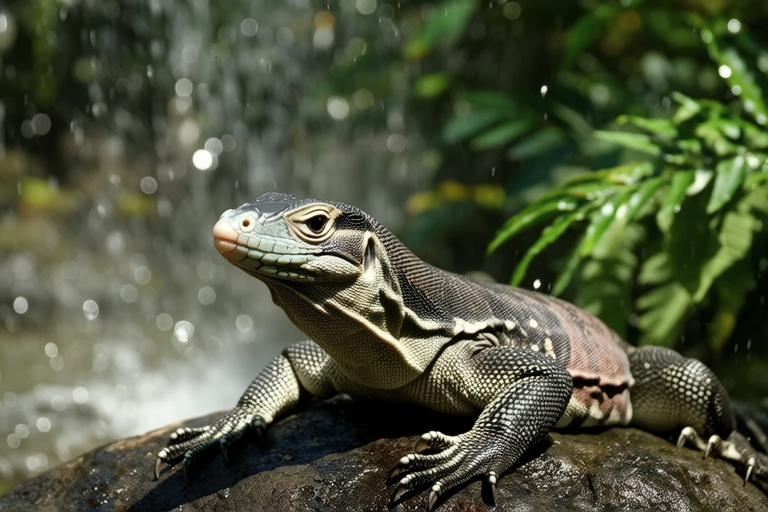
Aquatic Marvels: Discovering the Majestic World of Water Monitors as Pets
Water monitors (Varanus salvator) are among the largest lizards in the world, captivating reptile enthusiasts with their impressive size, agility, and unique behaviors. These creatures, native to Southeast Asia, have long been admired for their ability to thrive in both terrestrial and aquatic environments. This article delves into the fascinating world of water monitors, exploring their natural habitat, behavior, and the considerations involved in keeping them as pets.
Unique Characteristics and Natural Habitat
Water monitors are known for their powerful tails, which they use for swimming and defense. They can grow to lengths of over six feet and weigh up to 50 pounds, making them one of the largest lizard species globally. Their sleek bodies are covered in scales that provide excellent camouflage, allowing them to blend into their surroundings. In the wild, water monitors inhabit a wide range of habitats, from dense forests to swamps and rivers. They are highly adaptable and can be found near human settlements, scavenging for food.
These lizards are omnivorous, feeding on a variety of prey including fish, insects, small mammals, birds, and even eggs. Their diet in the wild is diverse, reflecting their opportunistic nature. Water monitors are also skilled climbers and swimmers, often seen basking on branches or diving into water to catch prey.
Diet, Behavior, and Legal Considerations
Before considering a water monitor as a pet, it’s crucial to understand their dietary needs and behavioral patterns. In captivity, water monitors require a varied diet that includes rodents, fish, insects, and occasional fruits. Feeding them appropriately is essential for maintaining their health and energy levels. Owners must also be prepared for the significant space and resources required to house these large animals.
Legal considerations are paramount when adopting a water monitor. Many regions have strict regulations regarding exotic pets, so potential owners should research local laws and obtain any necessary permits. Additionally, responsible sourcing is important; water monitors should come from reputable breeders to avoid contributing to the illegal wildlife trade.
Setting Up the Ideal Enclosure
Creating a suitable environment for a water monitor involves careful planning and attention to detail. The enclosure should be spacious, providing ample room for the lizard to move around and engage in natural behaviors. A minimum of 12 square feet of floor space is recommended for an adult monitor, with at least 6 feet of vertical climbing space. The enclosure should include a deep water area, as water monitors spend a considerable amount of time swimming.
Temperature and humidity control are critical for the health of your pet. Maintain a basking spot of around 95°F to 100°F (35°C to 38°C) and cooler areas of 75°F to 85°F (24°C to 29°C). Humidity levels should be kept between 70% and 80% to prevent dehydration and respiratory issues. Regular misting and proper substrate are necessary to achieve this.
To enrich the environment, provide sturdy branches, rocks, and hiding spots. Water monitors are curious and active, so offering toys and puzzle feeders can stimulate their minds and prevent boredom. Ensuring a safe and stimulating environment is key to a happy and healthy pet.
Common Health Issues and Maintenance
Water monitors are generally hardy animals, but they can suffer from various health problems if not cared for properly. Common issues include metabolic bone disease, respiratory infections, and parasites. Regular veterinary check-ups are essential to detect and treat any health concerns early. Maintaining clean living conditions, providing a balanced diet, and monitoring for signs of illness are all part of responsible pet ownership.
Grooming and hygiene play a role in maintaining your water monitor’s health. Regular baths help keep their skin moist and clean. Handling your pet regularly also aids in socialization and bonding, while ensuring you’re aware of any changes in its behavior or physical condition.
The Commitment of Owning a Water Monitor
Owning a water monitor is a significant commitment that requires dedication and knowledge. These animals live for 10 to 20 years, so prospective owners must be prepared for a long-term relationship. Providing adequate space, proper nutrition, and a stimulating environment are just some of the responsibilities involved.
Despite the challenges, many owners find the experience incredibly rewarding. Watching a water monitor explore its enclosure, swim gracefully, or bask in the sunlight can be truly mesmerizing. The bond formed with these intelligent and dynamic creatures can be deeply fulfilling.
In conclusion, water monitors are remarkable animals with unique characteristics and behaviors that make them fascinating pets. However, they require specialized care and a substantial commitment. For those willing to take on the challenge, sharing a home with a water monitor can be an enriching and rewarding experience. By understanding their needs and providing the best possible care, you can ensure a long and happy life for these aquatic marvels.
