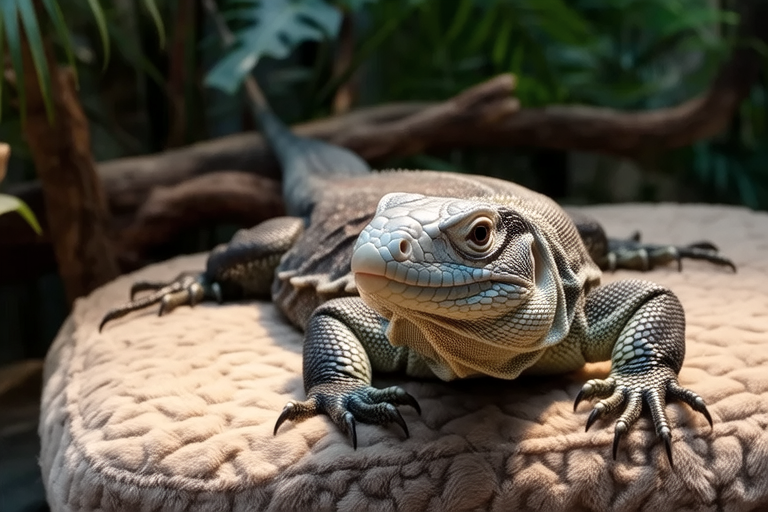
From Jungle to Home: How to Successfully Welcome a Water Monitor into Your Life
Introduction:
Welcome to the world of exotic pets! If you’re considering bringing a water monitor into your home, it’s important to understand that this decision requires significant research, preparation, and commitment. This guide aims to provide you with all the essential information needed to successfully integrate a water monitor into your life, ensuring both their well-being and your safety.
Understanding the Water Monitor’s Natural Habitat
Water monitors (Varanus salvator) are native to Southeast Asia, where they thrive in diverse environments including rainforests, mangroves, and coastal areas. They are highly adaptable creatures, capable of swimming, climbing, and burrowing. In the wild, they feed on a variety of prey, from insects and small mammals to fish and eggs. Understanding these natural behaviors is crucial for replicating their habitat in captivity.
Necessary Living Conditions at Home
Creating a suitable environment for your water monitor involves several key factors. First, ensure you have a spacious enclosure, ideally measuring at least 8 feet long, 4 feet wide, and 6 feet high. The enclosure should mimic their natural habitat as closely as possible, featuring a combination of land and water areas. A basking spot heated to around 95°F and a cooler area of about 75°F are essential for thermoregulation. Additionally, provide plenty of hiding spots and climbing structures to satisfy their instinctual needs.
Dietary Requirements
Water monitors are omnivorous, meaning their diet should consist of both animal and plant matter. In captivity, their diet can include commercially available feeder insects, rodents, fish, and occasionally fruits and vegetables. It’s important to vary their diet to ensure they receive all necessary nutrients. Always consult with a veterinarian specializing in reptiles to determine the best feeding schedule and portion sizes for your specific monitor.
Handling and Interaction Tips
While water monitors can become accustomed to handling, they are generally more suited to observation than frequent interaction. Approach them calmly and gently, avoiding sudden movements that might startle them. Regular handling sessions can help build trust, but always prioritize the monitor’s comfort and safety. Remember, even tame monitors can exhibit unpredictable behavior, so handle them with care.
Health Care Essentials
Maintaining the health of your water monitor requires regular veterinary check-ups, proper hygiene, and a clean environment. Signs of illness may include loss of appetite, lethargy, or unusual behavior. Common health issues include respiratory infections, parasites, and metabolic bone disease. Preventative measures such as routine cleaning, appropriate humidity levels, and a balanced diet can significantly reduce the risk of these problems.
Legal Considerations for Owning One
Before acquiring a water monitor, it’s vital to check local regulations regarding exotic pet ownership. Some regions prohibit the keeping of certain species, while others require permits or licenses. Additionally, be aware of international trade laws if you’re importing your monitor from abroad. Familiarizing yourself with these rules ensures compliance and avoids potential legal issues.
Common Challenges New Owners Face
One of the most significant challenges for new owners is providing adequate space. Water monitors grow rapidly and can reach lengths of up to 7 feet, necessitating a large enclosure. Another common issue is dietary management; finding a reliable source of live food can be difficult. Furthermore, maintaining the correct temperature gradients within the enclosure can be tricky, requiring careful monitoring and adjustment.
Conclusion:
Bringing a water monitor into your home is a rewarding yet demanding endeavor. By thoroughly researching and preparing for their unique needs, you can ensure a happy and healthy life for your pet. Remember, the commitment involved in caring for a water monitor extends beyond just providing food and shelter—it includes continuous learning, adaptation, and a deep appreciation for these fascinating creatures.
