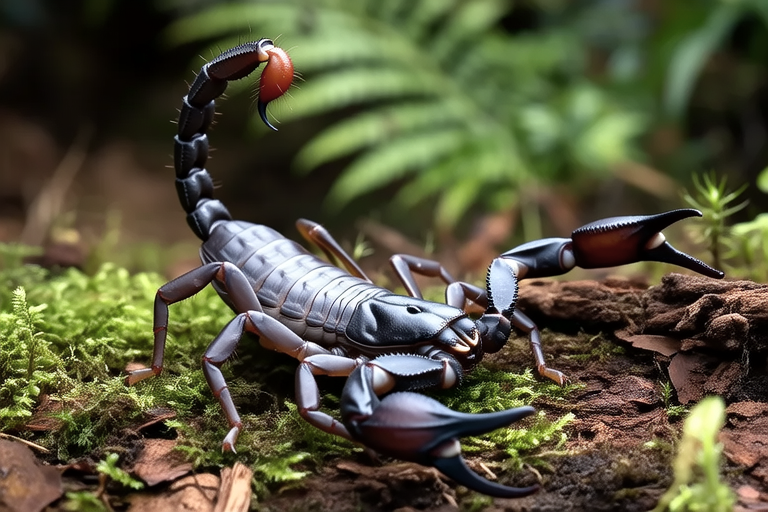
Heterometrus Spinifer Scorpion: An In-depth Exploration
The Heterometrus spinifer, commonly known as the spiny forest scorpion, is a fascinating member of the scorpion family. This species exhibits a range of unique characteristics that set it apart from other scorpions. From its physical attributes to its behavior and role in the ecosystem, the Heterometrus spinifer is a subject of intrigue for both scientists and nature enthusiasts alike.
Physical Attributes
The Heterometrus spinifer is characterized by its robust build and distinctive physical features. It typically measures between 8 to 13 centimeters in length, making it one of the larger scorpion species. The body is usually dark brown to black, providing excellent camouflage against its natural surroundings. One of the most striking features of this species is the prominent spine located at the tip of its tail, which gives it its name. This spine is not only visually striking but also serves as an effective deterrent to potential predators.
In addition to the spine, the Heterometrus spinifer possesses two large claws, or pedipalps, used for grasping prey and defending itself. Its eyes are well-developed, allowing it to navigate in low-light conditions, which is common for nocturnal creatures like scorpions. The pectines, sensory organs located beneath the abdomen, are also highly developed, aiding the scorpion in detecting vibrations and chemical cues in its environment.
Habitat and Distribution
The Heterometrus spinifer is native to Southeast Asia, particularly in countries such as Thailand, Malaysia, and Indonesia. It thrives in tropical rainforests, where it can find ample shelter among rocks, logs, and leaf litter. These environments provide the ideal conditions for the scorpion to remain hidden during the day and emerge at night to hunt. The dense vegetation and moist climate of these forests offer protection from predators and harsh environmental conditions.
Within its habitat, the Heterometrus spinifer is often found in areas with high humidity and temperatures ranging from 20 to 30 degrees Celsius. It prefers areas with plenty of cover, such as under tree bark, within crevices, or beneath fallen logs. The scorpion’s ability to adapt to these specific environmental conditions has allowed it to establish a stable population in its native regions.
Diet and Hunting Techniques
The Heterometrus spinifer is a carnivorous predator, primarily feeding on insects, spiders, and small vertebrates. It uses its powerful pedipalps and venomous sting to capture and subdue its prey. The scorpion’s diet consists mainly of crickets, beetles, and other small invertebrates. When hunting, it relies on its keen senses to detect the movements of potential prey, often lying in wait until an unsuspecting insect comes within reach.
Once the prey is within striking distance, the Heterometrus spinifer employs a swift and precise attack, using its claws to grasp and immobilize the victim. If necessary, it will then inject venom through its stinger, delivering a potent neurotoxin that paralyzes the prey. This venom is not only used for hunting but also serves as a defensive mechanism against predators. The scorpion’s venom is capable of inducing pain and swelling in humans, though it is generally not lethal to adults.
Defensive Behaviors
The Heterometrus spinifer is equipped with several defensive mechanisms to protect itself from potential threats. Its most notable defense is its venomous sting, which it uses to deter predators. When threatened, the scorpion raises its tail and points the stinger toward the perceived danger, ready to strike if necessary. Additionally, the scorpion may adopt a threatening posture, raising its body and showing off its formidable claws.
In some cases, the Heterometrus spinifer may also play dead, remaining motionless for extended periods to avoid detection. This behavior is particularly useful when faced with curious or less experienced predators. The scorpion’s ability to adapt its defensive strategies based on the level of threat demonstrates its intelligence and survival instincts.
Role in the Ecosystem
The Heterometrus spinifer plays a crucial role in maintaining the balance of its ecosystem. As a top predator in its habitat, it helps control the populations of insects and other small animals, preventing overpopulation and ensuring the health of the ecosystem. By regulating the number of herbivorous insects, the scorpion indirectly contributes to the preservation of plant life, which is essential for the survival of many other species.
Moreover, the presence of the Heterometrus spinifer in its environment indicates the overall health and stability of the ecosystem. The scorpion’s sensitivity to changes in its habitat makes it an indicator species, providing valuable information about the ecological conditions in its region. Any decline in the population of the Heterometrus spinifer could signal broader issues affecting the ecosystem, such as pollution or habitat destruction.
Myths and Misconceptions
Despite its relatively harmless nature, the Heterometrus spinifer is often misunderstood and feared due to misconceptions about scorpions in general. Many people believe that all scorpions are highly venomous and dangerous, which is not true for most species. While the Heterometrus spinifer does possess venom, it is generally not fatal to humans, and its sting is more painful than harmful.
Another misconception is that scorpions are aggressive and seek out humans to attack. In reality, the Heterometrus spinifer is a shy and reclusive creature that avoids confrontation whenever possible. Most stings occur when the scorpion feels cornered or threatened, emphasizing the importance of giving these animals space and respecting their natural habitats.
Importance of Understanding Unique Species
Understanding the unique characteristics of the Heterometrus spinifer is vital for biodiversity conservation. By studying this species and others like it, scientists can gain valuable insights into the complex relationships within ecosystems and the factors that contribute to their stability. This knowledge can be applied to develop effective conservation strategies, ensuring the preservation of endangered species and their habitats.
Furthermore, the study of unique species like the Heterometrus spinifer fosters public awareness and appreciation for the diversity of life on Earth. By highlighting the importance of these creatures, we can encourage greater support for conservation efforts and inspire future generations to become stewards of the environment. Ultimately, understanding the Heterometrus spinifer and its role in the ecosystem underscores the interconnectedness of all living organisms and the need to protect our planet’s biodiversity.
