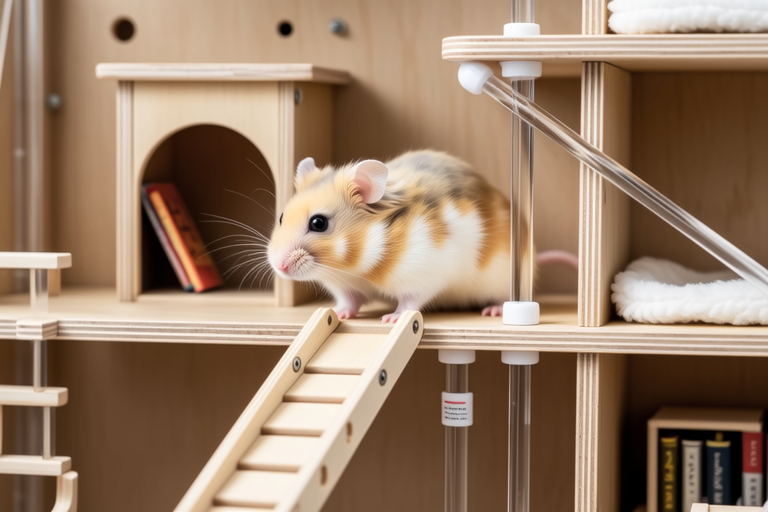
How to Build the Ultimate Fort for Your Hamster Adventure!
Welcome to the exciting world of hamster care! Building the perfect fort for your little furry friend is a rewarding project that can significantly enhance their quality of life. This comprehensive guide will walk you through the process of creating a safe, stimulating, and enjoyable habitat tailored to your hamster’s natural behaviors and space requirements. Whether you’re a novice or an experienced hamster owner, this article will provide valuable insights into maintaining hygiene, ensuring the fort is escape-proof, and adding enriching elements to your pet’s environment.
Understanding Hamster Needs
Before diving into construction, it’s crucial to understand the specific needs of your hamster. Hamsters are nocturnal creatures with unique behaviors that should be considered when designing their fort. They are burrowing animals that enjoy digging, climbing, and exploring. A well-thought-out habitat should cater to these instincts while providing ample space for physical activity and mental stimulation.
Hamsters require a minimum floor space of approximately 450 square inches (30 x 15 inches) for a single adult. If you have multiple hamsters, consider increasing the size accordingly. Additionally, vertical space is important for climbing and exercising. Providing tunnels, ramps, and elevated platforms can encourage physical activity and mimic their natural habitat.
Essential Materials for Your Hamster Fort
To build the ultimate fort, gather the following materials:
- Hammock: Choose a breathable fabric like cotton or fleece for a cozy sleeping spot.
- Tunnels: PVC pipes or cardboard tubes can serve as tunnels.
- Bedding: Use soft, dust-free bedding such as paper-based bedding or wood shavings.
- Water bottle: A sturdy, easy-to-clean water bottle is essential.
- Dishes: Ceramic dishes for food and water.
- Exercise wheel: A solid-surface exercise wheel prevents injury to your hamster’s feet.
- Chew toys: Wooden blocks or safe chew toys to prevent boredom and promote dental health.
- Hiding spots: Small houses or igloos provide a sense of security.
Step-by-Step Instructions
Step 1: Choosing the Right Cage
The first step in building your hamster’s fort is selecting the appropriate cage. Opt for a wire cage with a solid base, ensuring that the spacing between the bars is small enough to prevent escape but large enough for proper ventilation. Avoid cages made from plastic, as they can harbor bacteria and are difficult to clean.
Step 2: Lining the Cage
Line the bottom of the cage with a layer of bedding material. Ensure the bedding is deep enough for your hamster to dig comfortably, typically around 2-3 inches. Replace the bedding regularly to maintain hygiene and prevent odors.
Step 3: Adding Tunnels and Hiding Spots
Install tunnels and hiding spots throughout the cage to encourage exploration. You can use commercially available plastic tubes or DIY options like cardboard rolls. Place the tunnels at different angles and heights to create a multi-level environment.
Step 4: Incorporating Exercise and Play Elements
Add an exercise wheel to the cage to allow your hamster to run and stay active. Ensure the wheel has a solid surface to prevent injuries. Additionally, include chew toys and other interactive items to keep your hamster mentally stimulated.
Step 5: Ensuring Safety and Comfort
Check all components of the fort for sharp edges or any potential hazards. Make sure the cage is secure and escape-proof. Regularly inspect the cage and its contents for wear and tear, replacing damaged parts promptly.
Safety Tips
Creating a safe environment is paramount for your hamster’s well-being. Here are some safety tips to consider:
- Ensure there are no gaps larger than the width of your hamster’s body to prevent escapes.
- Avoid placing the cage near direct sunlight or drafts.
- Keep the cage away from areas where household chemicals or strong scents are present.
- Regularly check the condition of the cage and its accessories to ensure they remain safe and functional.
Creative Ideas for Enriching the Environment
In addition to the basic necessities, there are many ways to enrich your hamster’s environment:
Interactive Toys
Introduce toys that encourage problem-solving and exploration. Puzzle feeders, for example, can be filled with treats and placed around the cage to stimulate your hamster’s mind.
Personalized Spaces
Create personalized spaces within the cage by arranging tunnels and platforms in unique configurations. This allows your hamster to explore and establish territories within their habitat.
Seasonal Changes
Occasionally change the layout of the cage to keep your hamster engaged. Rotate toys, rearrange tunnels, and introduce new elements to keep the environment fresh and exciting.
Maintaining Hygiene
Hygiene is crucial for your hamster’s health. Follow these guidelines to maintain a clean and healthy environment:
- Replace bedding weekly or more frequently if needed.
- Clean the cage thoroughly once a month, removing all bedding and accessories.
- Disinfect the cage using pet-safe cleaning products, rinse thoroughly, and dry before replacing bedding.
- Wash water bottles and dishes daily to prevent bacterial growth.
Conclusion
Building the ultimate fort for your hamster is a rewarding endeavor that can greatly enhance their quality of life. By understanding your hamster’s needs and incorporating the right materials and design elements, you can create a safe, stimulating, and enriching habitat. Remember to prioritize hygiene, safety, and regular maintenance to ensure your hamster remains healthy and happy. With a little creativity and attention to detail, your hamster will have the adventure of a lifetime in their new home!
