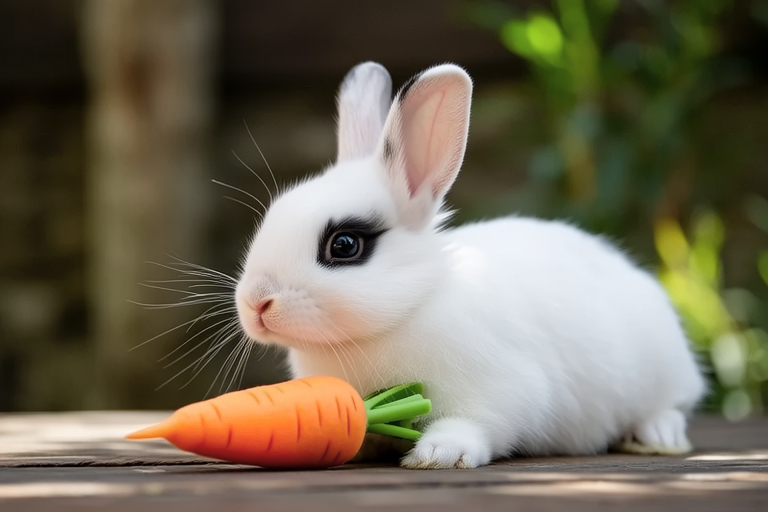
Top 10 Fun Facts About the Tiny Yet Tidy Dutch Dwarf Rabbit
The Dutch Dwarf Rabbit is a delightful companion known for its small size, friendly demeanor, and distinctive appearance. These rabbits have a rich history and unique characteristics that make them fascinating pets. Here are ten fun facts about the Dutch Dwarf Rabbit that highlight their charm and appeal.
1. A Compact Companion
Dutch Dwarf Rabbits are among the smallest breeds of domestic rabbits, typically weighing between 1.8 to 2.7 kg (4 to 6 pounds). Their compact size makes them ideal for apartment living, ensuring they can thrive in smaller spaces without compromising their health. Despite their diminutive stature, they possess robust, muscular bodies that are well-proportioned. Their tiny size also means they require less space and fewer resources, making them a practical choice for rabbit owners with limited space.
2. Distinctive Coat Patterns
Dutch Dwarfs are recognized for their striking coat patterns. They have a white blaze that extends from the forehead down the nose, a white belly, and contrasting colored ears, feet, and tail. The combination of white and another color creates a striking contrast, giving them their signature look. The most common colors include black, chocolate, blue, and fawn. This unique coloring not only adds to their aesthetic appeal but also serves as a distinguishing feature when identifying them in shows.
3. Gentle Temperament
These rabbits are renowned for their gentle and docile nature, making them perfect pets for families with children. Dutch Dwarfs enjoy human interaction and are often eager to be petted and held. Their calm disposition also means they get along well with other animals, provided proper introductions are made. It’s important to handle them gently, as their small size makes them more susceptible to injury. Regular socialization and positive reinforcement training can further enhance their friendly temperament.
4. Originating from Holland
The Dutch Dwarf Rabbit originated in the Netherlands in the early 20th century. Breeders sought to create a smaller version of the Dutch Rabbit, which was already popular for its striking coat pattern. By crossing Dutch Rabbits with smaller breeds like the Netherland Dwarf, they succeeded in developing a breed that retained the desirable traits of both parents. Today, Dutch Dwarfs are celebrated in rabbit shows worldwide, where their unique appearance and charming personalities are showcased.
5. Intelligent and Curious
Dutch Dwarfs are intelligent and curious creatures, always eager to explore their surroundings. They quickly learn to recognize their owners and can even respond to their names. Providing toys and stimulating environments helps keep them mentally engaged and prevents boredom. Puzzle feeders, tunnels, and chew toys are excellent ways to challenge their minds and encourage natural behaviors. Interactive playtime not only strengthens the bond between owner and rabbit but also promotes mental and physical well-being.
6. Adaptable to Various Environments
These rabbits are highly adaptable, thriving in both indoor and outdoor settings. However, it’s crucial to ensure they are protected from extreme temperatures and weather conditions. In colder climates, they need insulated hutches and plenty of bedding to stay warm. During hot summer months, they require shade, ventilation, and access to fresh water. Indoor housing provides more control over their environment, but outdoor enclosures can offer a more natural setting. Whichever option you choose, make sure your Dutch Dwarf has a comfortable, safe, and enriching home.
7. Healthy and Long-Lived
Dutch Dwarfs are generally healthy rabbits with an average lifespan of 5 to 8 years, sometimes longer if well cared for. Proper nutrition, regular exercise, and routine veterinary check-ups contribute to their longevity. Their diet should consist of high-quality hay, fresh vegetables, and a balanced commercial rabbit food. Regular grooming is also essential, especially during shedding seasons, to prevent hairballs. Maintaining a clean living environment and monitoring their health closely will help ensure your Dutch Dwarf lives a long and happy life.
8. Active Social Creatures
Dutch Dwarfs are social animals that enjoy companionship. While they can live happily alone, having another rabbit as a companion can enhance their quality of life. Rabbits communicate through body language, vocalizations, and scent marking. Providing opportunities for social interaction, whether with another rabbit or through supervised playtime with humans, is vital for their emotional well-being. Encouraging positive social behavior from an early age can lead to a more confident and well-adjusted pet.
9. Unique Dental Structure
Rabbits have continuously growing teeth, which is why providing them with ample opportunities to chew is crucial. Dutch Dwarfs, like other rabbits, have incisors that grow at a rate of about 2 mm per week. This growth helps maintain their dental health and keeps their jaws strong. Offering a variety of safe chew options, such as wooden blocks, cardboard boxes, and rabbit-safe branches, ensures their teeth remain properly worn down. Regular veterinary check-ups can also help monitor their dental health and address any potential issues early.
10. Versatile Diet
A well-balanced diet is essential for the health of Dutch Dwarf Rabbits. Their diet should primarily consist of unlimited access to high-quality hay, such as timothy or orchard grass. Fresh, leafy greens should be offered daily, but in moderation, to avoid digestive upset. Commercial rabbit pellets can supplement their diet but should not replace hay. Water should always be available, and it’s recommended to use a water bottle with a sipper tube to prevent contamination. Avoid feeding them fruits, seeds, nuts, or processed foods, as these can lead to obesity and other health issues.
Caring for a Dutch Dwarf Rabbit involves understanding their specific needs and providing a nurturing environment. Their small size, friendly nature, and unique appearance make them beloved pets for many. By following the tips outlined here, you can ensure your Dutch Dwarf Rabbit leads a healthy, happy, and fulfilling life.
