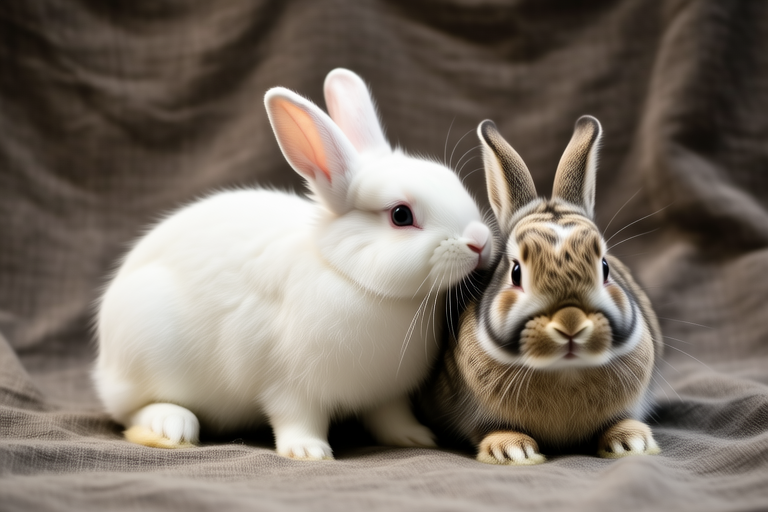
Dutch Dwarf Rabbits: A Beginner’s Pet Parenting Journey
Welcome to the world of Dutch Dwarf rabbits, one of the most charming and delightful small pets you can bring into your home. These compact creatures are not only adorable but also incredibly popular among pet lovers due to their manageable size and friendly demeanor.
Introduction to Dutch Dwarf Rabbits
The Dutch Dwarf rabbit is a miniature breed that typically weighs between 1.8 to 2.3 kg (4 to 5 pounds). Their small stature makes them perfect for apartment living or smaller homes where space is limited. Despite their diminutive size, they are robust and healthy animals.
One of the standout features of Dutch Dwarfs is their gentle and sociable nature. They are known for being affectionate towards humans and other animals, making them ideal companions for families or individuals looking for a loving pet. Their intelligence and curiosity make them enjoyable to interact with, often engaging in playful activities.
Due to their appealing appearance and friendly personalities, Dutch Dwarf rabbits have become increasingly popular as pets. Their distinctive markings and lively behavior make them a favorite choice for both novice and experienced rabbit owners alike.
Initial Setup Requirements
Housing
Proper housing is crucial for the well-being of your Dutch Dwarf rabbit. They require a spacious hutch or cage that provides enough room to move around freely without feeling cramped. The enclosure should be at least 60 cm x 90 cm (24 inches x 36 inches) for a single rabbit, ensuring ample space for exercise and comfort.
It’s important to place the hutch in a quiet area away from direct sunlight and drafts. Additionally, provide a secure hiding spot within the enclosure, such as a cozy nest box, which will give your rabbit a sense of security.
Diet
A balanced diet is essential for maintaining your Dutch Dwarf rabbit’s health. Their primary food source should consist of high-quality hay, which aids in digestion and dental health. Fresh vegetables, fruits, and pellets formulated specifically for rabbits should also be included in their daily intake.
Ensure access to fresh water at all times, preferably through a sipper bottle designed for rabbits. This prevents spillage and keeps the water clean.
Necessary Supplies
- Toys: Chew toys made from safe materials help keep your rabbit entertained and prevent destructive chewing habits.
- Litter Box: Introducing a litter box encourages good bathroom habits and makes cleaning easier.
- Grooming Tools: Brushes and combs suitable for long-haired breeds are necessary for regular grooming sessions.
- Safety Gear: Nail clippers and styptic powder for trimming nails safely.
Grooming Needs
Dutch Dwarf rabbits, particularly those with longer coats, require regular grooming to maintain their fur’s condition. Brush your rabbit gently every few days using a soft brush or comb to remove loose hair and prevent matting.
Bathing should be kept minimal as it can strip natural oils from their skin. If bathing becomes necessary, use a mild shampoo specifically designed for rabbits and thoroughly rinse to avoid any residue.
Health Care Basics
Regular veterinary check-ups are vital for monitoring your rabbit’s overall health. Common issues include dental problems, respiratory infections, and digestive disorders. Early detection and treatment of these conditions significantly improve recovery chances.
Vaccinations may not be required depending on local regulations, but it’s always wise to consult with your veterinarian about appropriate preventive measures. Additionally, maintaining a clean environment reduces the risk of illness.
Common Behaviors
Dutch Dwarf rabbits exhibit various behaviors that indicate their emotional state and physical needs. Thumping or kicking their hind legs might signal fear or discomfort, while circling or nudging could mean they want attention or treats.
Understanding these signals helps strengthen the bond between you and your pet. Providing stimulating environments and mental challenges through interactive toys promotes positive behavior patterns.
Tips for Socializing and Training
Begin socialization early by handling your rabbit gently and frequently. Gradually introduce new experiences under controlled conditions to build confidence. Positive reinforcement techniques like offering treats during training sessions encourage desirable behaviors.
Training commands can include teaching basic responses like coming when called or using a litter box properly. Consistency and patience are key elements in successful training.
Finding and Adopting a Dutch Dwarf Rabbit
When searching for a Dutch Dwarf rabbit, consider adopting from reputable breeders or shelters. Research potential sources thoroughly to ensure ethical practices and healthy animals. Meeting the parents if possible gives insight into genetic traits and temperaments.
Adopting comes with significant responsibilities including financial commitment, time investment, and emotional dedication. However, the joy derived from caring for such wonderful creatures outweighs these challenges. Embrace this rewarding journey filled with love and laughter.
