Beyond the Fur: Understanding the Unique Needs of a Siberian Husky Owner
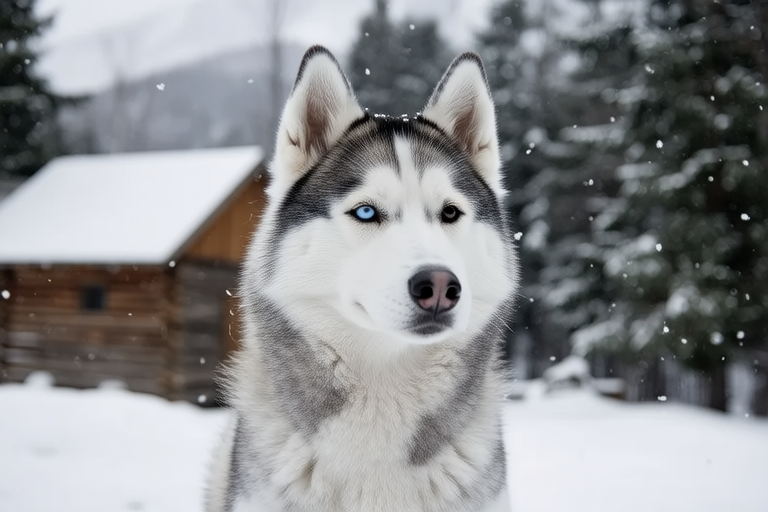
Siberian Huskies are one of the most captivating and beautiful dog breeds, known for their striking blue or multi-colored eyes, thick double coat, and lively demeanor. These dogs have a rich history as working sled dogs, bred to endure harsh Arctic conditions. Owning a Siberian Husky is a rewarding experience, but it comes with unique challenges that require careful consideration. This guide delves into the distinct characteristics of Siberian Huskies, including their exercise requirements, dietary needs, grooming practices, social behavior, and health considerations.
Exercise Requirements
Siberian Huskies are energetic dogs with a strong sense of adventure. They were originally bred for long-distance sledding, which means they have an inherent need for extensive physical activity. Daily walks alone are insufficient; these dogs require more vigorous forms of exercise, such as running, hiking, or even participating in dog sports like agility or flyball. Without adequate exercise, Siberian Huskies can become restless and may exhibit destructive behaviors. For instance, Sarah, a Siberian Husky owner from Alaska, recounts how her dog, Max, started digging up her garden when he wasn’t given enough outdoor time. Once she incorporated daily runs into their routine, Max’s behavior improved significantly.
Dietary Needs
Feeding a Siberian Husky requires careful attention to their nutritional needs. As working dogs, they require a high-quality diet that provides sufficient protein and fat to support their active lifestyle. It’s essential to consult with a veterinarian to determine the appropriate amount and type of food based on your dog’s age, weight, and activity level. Some owners choose to feed their Siberian Huskies a raw diet, while others opt for commercial kibble or canned food. Regardless of the choice, it’s crucial to avoid overfeeding, as obesity can lead to various health issues, including joint problems and heart disease. Regular monitoring of your dog’s weight and adjusting their diet accordingly will help maintain their optimal health.
Grooming Practices
Despite their thick coats, Siberian Huskies are relatively low-maintenance when it comes to grooming. However, they do shed heavily twice a year during seasonal changes, known as “blowing their coat.” During this period, daily brushing is necessary to remove loose fur and prevent matting. Regular brushing also helps distribute natural oils throughout the coat, keeping it healthy and shiny. Bathing should be done only when necessary, as excessive bathing can strip the coat of its natural oils. Additionally, paying attention to your dog’s ears, nails, and teeth is important for overall hygiene and preventing infections. John, a Siberian Husky owner from Minnesota, shares that he uses a deshedding tool during shedding season to minimize the amount of fur around his home.
Social Behavior
Siberian Huskies are social animals that thrive on interaction and companionship. They are known for their friendly nature and enjoy being part of a family. However, they can be independent thinkers and may not always respond to commands immediately. Early socialization and consistent training are crucial to ensure they become well-behaved members of the household. Positive reinforcement techniques, such as treats and praise, work best for these intelligent dogs. Siberian Huskies also have a strong prey drive, so it’s important to supervise them around smaller pets, including cats and rodents. Mary, a Siberian Husky owner from New York, mentions that her dog, Bella, was initially cautious around her cat but became a close friend after proper introduction and training.
Health Considerations
Like all dog breeds, Siberian Huskies are prone to certain health issues. Common conditions include hip dysplasia, cataracts, and progressive retinal atrophy. Regular veterinary check-ups and genetic testing can help identify potential health risks early. Vaccinations and preventive care, such as flea and tick treatments, are also essential. Providing a balanced diet, regular exercise, and a safe environment can contribute to a longer and healthier life for your Siberian Husky. Tom, a Siberian Husky owner from California, emphasizes the importance of maintaining a routine with his dog, Charlie, to ensure he stays fit and happy.
Mental Stimulation
In addition to physical exercise, Siberian Huskies require mental stimulation to keep their minds sharp and engaged. Puzzle toys, interactive games, and obedience training are excellent ways to challenge their intelligence and prevent boredom. Mental stimulation not only keeps your dog happy but also strengthens the bond between you and your pet. Emily, a Siberian Husky owner from Colorado, incorporates puzzle toys into her daily routine with her dog, Daisy, to keep her entertained and mentally stimulated. Emily notes that this has significantly reduced Daisy’s tendency to chew on furniture.
Challenges Faced by Owners
Owning a Siberian Husky comes with its share of challenges. Their independence and strong-willed nature can make training more difficult than with other breeds. They are also prone to escaping if not properly confined, as they have a natural instinct to roam. It’s essential to invest in secure fencing and supervise your dog when outside. Crate training can be particularly useful for housebreaking and providing a safe space for your dog when left alone. Patience and consistency are key when dealing with these challenges. Many owners find that the rewards of owning a Siberian Husky far outweigh the difficulties.
Practical Advice for Potential Owners
If you’re considering adopting a Siberian Husky, there are several factors to consider. First, ensure you have the time and resources to provide the necessary exercise and mental stimulation. Research local breeders or shelters to find a reputable source for your new companion. Once you bring your Siberian Husky home, establish a routine and set clear boundaries. Enroll in obedience classes to strengthen your bond and teach your dog basic commands. Finally, join a community of Siberian Husky owners to exchange tips and support. The Siberian Husky Club of America (SHCA) offers valuable resources and networking opportunities for both new and experienced owners.
Real-Life Anecdotes
The stories of Siberian Husky owners highlight the joys and challenges of living with these remarkable dogs. From adventurous hikes in the mountains to cozy evenings at home, each story paints a picture of the deep connection formed between owner and pet. Whether it’s the excitement of a day spent playing fetch or the comfort of a loyal companion by your side, owning a Siberian Husky is an enriching experience. The shared moments, both big and small, create lasting memories and a bond that is truly special.
In conclusion, owning a Siberian Husky is a significant commitment that requires dedication, patience, and understanding. By recognizing and addressing the unique needs of these dogs, you can ensure a fulfilling and enjoyable relationship. With proper care, training, and companionship, your Siberian Husky will bring joy, love, and endless adventures into your life. Embrace the journey, and you’ll discover the true meaning of what it means to be a responsible and loving owner.
