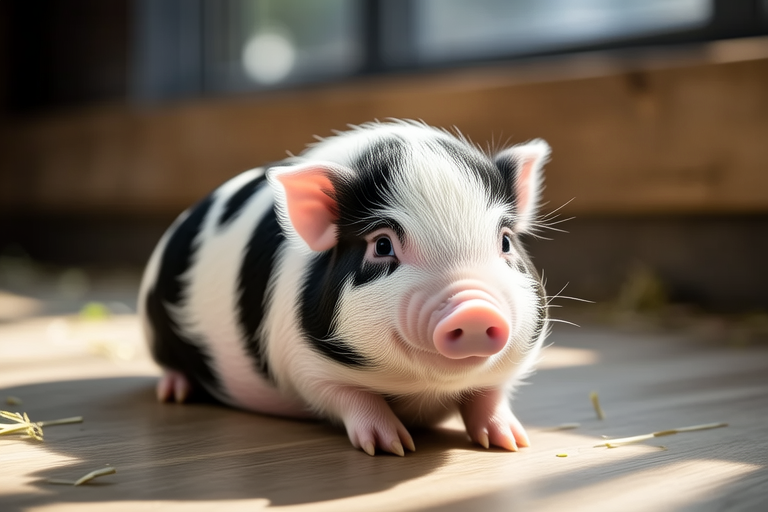
From Tiny Tummies to Happy Hoppers: A Complete Guinea Pig Care Guide
Welcome to your ultimate guide to guinea pig care! Whether you’re a first-time owner or a seasoned pet parent, this comprehensive resource will help you ensure your furry friend leads a healthy, happy life. From tiny tummies to happy hoppers, we’ll cover everything you need to know about housing, diet, grooming, healthcare, exercise, and socialization.
Housing Requirements
The first step in providing a comfortable home for your guinea pig is selecting the right cage. Opt for a spacious cage that allows ample room for movement; ideally, the cage should be at least 7.5 square feet for one guinea pig, with additional space for each additional pet. Multi-level cages can offer more play areas, but ensure ramps and steps are safe for your piggie’s small legs.
Bedding is crucial for keeping your guinea pig comfortable and reducing odors. Use absorbent bedding materials like shredded paper, wood shavings (not cedar or pine), or recycled paper products. Avoid dust-producing materials, as they can irritate your pet’s respiratory system. Regularly change the bedding to maintain hygiene.
Toys and accessories are essential for mental and physical stimulation. Provide chew toys to prevent dental issues, tunnels for exploration, and hideouts for security. Rotate toys periodically to keep your guinea pig engaged.
Diet Specifics
A balanced diet is key to your guinea pig’s health. Hay forms the foundation of their diet, providing necessary fiber for digestion. Fresh timothy hay is ideal for adult guinea pigs, while alfalfa hay is better suited for younger ones due to its higher calcium content. Ensure constant access to fresh water.
Vitamin C is vital for guinea pigs, as they cannot produce it themselves. Include vitamin C-rich vegetables like bell peppers, kale, and broccoli in their daily diet. Commercial vitamin C supplements can also be added to their water. Avoid feeding too many fruits, as they are high in sugar.
Guinea pigs require a variety of fresh vegetables and fruits daily. Introduce new foods gradually to monitor for any adverse reactions. Always wash produce thoroughly before offering it to your pet.
Grooming Needs
Grooming is an essential part of guinea pig care. Brush your pet regularly to prevent matting and hairballs. Long-haired breeds may require more frequent brushing. Trim nails every few weeks to prevent overgrowth. Clean ears gently with a damp cloth if necessary, and brush teeth with a soft toothbrush and pet-safe toothpaste.
Bathing is generally unnecessary for guinea pigs unless they are excessively dirty. Over-bathing can strip natural oils from their skin. If bathing is needed, use lukewarm water and gentle pet shampoo.
Healthcare Tips
Regular vet check-ups are crucial for maintaining your guinea pig’s health. Schedule annual visits for routine examinations, vaccinations, and dental checks. Vaccinations protect against diseases like Bordetella bronchiseptica and Mycoplasma pulmonis.
Monitor your guinea pig for signs of illness, such as lethargy, loss of appetite, runny nose, or diarrhea. Early detection and treatment can prevent serious health issues. Consult a veterinarian immediately if you notice any concerning symptoms.
Exercise Recommendations
Guinea pigs need regular exercise to stay healthy. Allow them supervised playtime outside the cage daily. A safe, enclosed area free from hazards is ideal. Ensure the play area is free of toxic plants and has no gaps where your pet could escape.
In addition to playtime, provide climbing structures and tunnels within the cage to encourage activity. Rotate toys to keep your guinea pig mentally stimulated.
Socialization Advice
Guinea pigs are social animals and thrive on interaction. Spend time with your pet daily, handling them gently and speaking softly. Positive reinforcement training can strengthen your bond. Consider adopting a companion for your guinea pig if you have the resources and space. Compatible pairs can include same-sex siblings or neutered males.
Introduce new pets gradually to allow for acclimatization. Monitor interactions closely to ensure compatibility and intervene if fighting occurs.
Common Pitfalls to Avoid
Avoid overcrowded cages, which can lead to stress and aggression. Do not feed excessive amounts of treats, as they can cause obesity and dental problems. Be cautious with certain household plants and chemicals, as they can be toxic to guinea pigs.
Ensure proper ventilation in the living area to prevent respiratory issues. Keep the temperature moderate, avoiding extreme heat or cold.
Maintaining a Clean Living Environment
Regular cleaning of the cage is vital for your guinea pig’s health. Remove soiled bedding daily and perform thorough cleaning weekly. Disinfect the cage using pet-safe cleaners and allow it to dry completely before replacing bedding.
Wash food and water bowls daily to prevent bacterial growth. Replace water frequently to ensure freshness.
Encouraging Responsible Pet Ownership
Owning a guinea pig is a significant commitment. Consider the time, effort, and financial resources required before bringing a pet home. Be prepared for regular veterinary care, dietary expenses, and potential emergencies. Research breed-specific traits and needs to ensure you choose a compatible pet.
Guinea pigs can live up to 8 years, so be prepared for a long-term relationship. Providing love, attention, and proper care will ensure your guinea pig enjoys a happy, healthy life.
From tiny tummies to happy hoppers, your guinea pig will bring joy and companionship to your life. By following these guidelines, you’ll be well-equipped to provide the best possible care for your furry friend. Remember, a little effort goes a long way in ensuring your guinea pig leads a fulfilling life.
