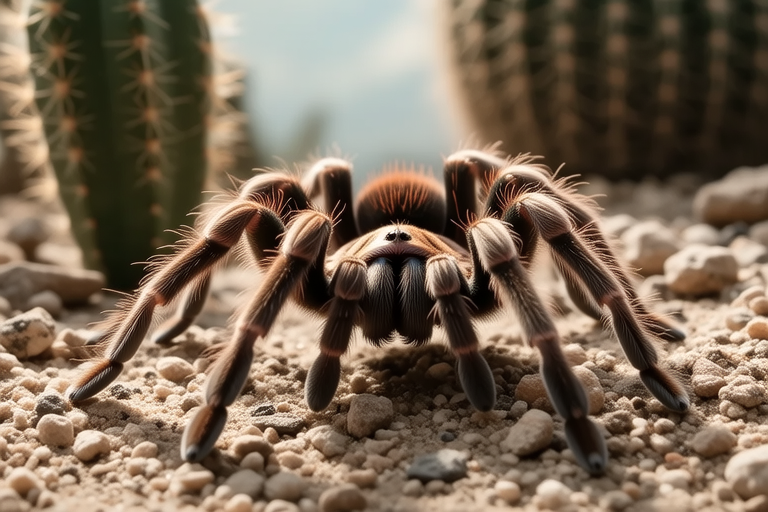
The Truth About Chilean Rose Tarantulas: Debunking Common Myths and Providing Real Facts
Chilean Rose Tarantulas, also known as Grammostola rosea, are among the most popular tarantulas kept as pets. Native to the deserts and scrublands of southern Brazil, northern Argentina, Bolivia, Paraguay, Uruguay, and Chile, these spiders have captured the hearts of many due to their unique appearance and relatively docile nature. This article aims to provide a comprehensive overview of Chilean Rose Tarantulas, debunking common myths while offering factual insights into their behavior, habitat, diet, and care requirements.
Introduction to Chilean Rose Tarantulas
The Chilean Rose Tarantula is named for its distinctive pinkish hue that appears when it molts. In its natural habitat, this coloration can vary from a deep reddish-brown to a light pink, depending on age and molt stage. Females can grow up to 5 inches (13 cm) in leg span, while males are slightly smaller, reaching about 4 inches (10 cm). Their bodies are covered in fine hairs, which they can release as a defense mechanism against predators. These hairs are not venomous but can cause irritation if they come into contact with skin or eyes.
Chilean Rose Tarantulas are part of the Theraphosidae family, commonly known as tarantulas. They are terrestrial spiders, spending most of their time on the ground rather than in trees or other elevated positions. Their burrowing habits are well-suited to their desert environment, where they dig shallow burrows to hide from predators and extreme temperatures.
Debunking Common Myths
One of the most common misconceptions about Chilean Rose Tarantulas is that they are aggressive and dangerous. While it’s true that all tarantulas possess venom, the venom of the Chilean Rose Tarantula is mild and not harmful to humans. Their primary defense mechanism is their ability to release hairs, which can cause irritation but does not result in severe injury.
Another myth is that these spiders require constant attention and interaction. In reality, tarantulas are solitary creatures that prefer minimal disturbance. Their natural habitat consists of quiet, secluded areas, and they thrive in environments that mimic these conditions.
Finally, there is a belief that tarantulas are difficult to care for. However, with proper knowledge and care, Chilean Rose Tarantulas can be relatively easy to maintain as pets. Their dietary and environmental needs are straightforward, making them ideal for beginners who are interested in arachnids.
Real Facts About Chilean Rose Tarantulas
Behavior
Chilean Rose Tarantulas are generally docile and non-aggressive, making them popular choices for pet owners. They are nocturnal, meaning they are most active during the night, and they spend much of their day resting in their burrows. During feeding times, they will often remain still, waiting for prey to come close enough before striking.
These spiders are territorial and may become defensive if they feel threatened. However, they rarely attack unless provoked. Their first line of defense is usually to flee or retreat into their burrow. If cornered, they may rear up on their hind legs and display their fangs, a behavior known as ‘threatening stance.’
Habitat
In the wild, Chilean Rose Tarantulas inhabit arid regions characterized by sandy soil and sparse vegetation. They dig burrows in the ground, which serve as shelters from predators and harsh weather conditions. These burrows can reach depths of several feet, providing a cool, humid environment for the spider.
When keeping Chilean Rose Tarantulas as pets, it is essential to replicate their natural habitat as closely as possible. A suitable enclosure should include a substrate deep enough for digging, hiding spots, and a water dish. The temperature within the enclosure should range between 75°F and 85°F (24°C to 29°C), with humidity levels maintained at around 60% to 70%.
Diet
Chilean Rose Tarantulas are carnivorous, feeding primarily on insects such as crickets, mealworms, and cockroaches. In captivity, these spiders should be fed once or twice a week, depending on their size and activity level. It’s important to ensure that the prey items are appropriately sized; too large, and the spider may struggle to consume them, leading to potential health issues.
While in the wild, Chilean Rose Tarantulas may occasionally eat small vertebrates like lizards or mice, this is rare in captivity due to the availability of more suitable prey items. Additionally, it’s crucial to avoid overfeeding, as obesity can lead to health problems.
Care Requirements
Maintaining a healthy Chilean Rose Tarantula requires attention to detail regarding their living conditions. The enclosure should be spacious enough to allow for movement and burrowing, typically ranging from 5 gallons for juveniles to 10 gallons for adults. Proper ventilation is necessary to prevent mold growth and ensure good air circulation.
Substrate plays a vital role in creating a suitable environment for these spiders. A mix of coconut fiber and sand works well, providing a stable base for burrowing and maintaining appropriate humidity levels. Regular cleaning of the enclosure is necessary to remove waste and ensure the spider’s health.
Advice for Potential Owners
If you’re considering adopting a Chilean Rose Tarantula, it’s important to understand the commitment involved. These spiders can live for up to 15 years in captivity, so being prepared for long-term care is crucial. Research thoroughly before purchasing, ensuring that you can provide the necessary environment and attention.
When handling your tarantula, always do so gently and with care. Avoid sudden movements or touching the spider directly, as this can cause stress. Instead, use a container or tongs to move them if necessary. Always wash your hands before and after handling to prevent the transfer of oils or bacteria.
It’s also advisable to join local or online communities of tarantula enthusiasts. These groups offer invaluable support, advice, and resources for new and experienced owners alike.
Conservation Status
Chilean Rose Tarantulas are currently listed as Least Concern on the IUCN Red List, indicating that they are not considered endangered. However, this does not mean that they are immune to threats. Habitat destruction and illegal collection for the pet trade pose significant risks to their populations in the wild.
As responsible pet owners, it’s important to ensure that any tarantula purchased comes from ethical sources. Look for breeders who prioritize the welfare of their animals and contribute positively to conservation efforts. By supporting reputable suppliers, we can help protect these fascinating creatures for future generations.
