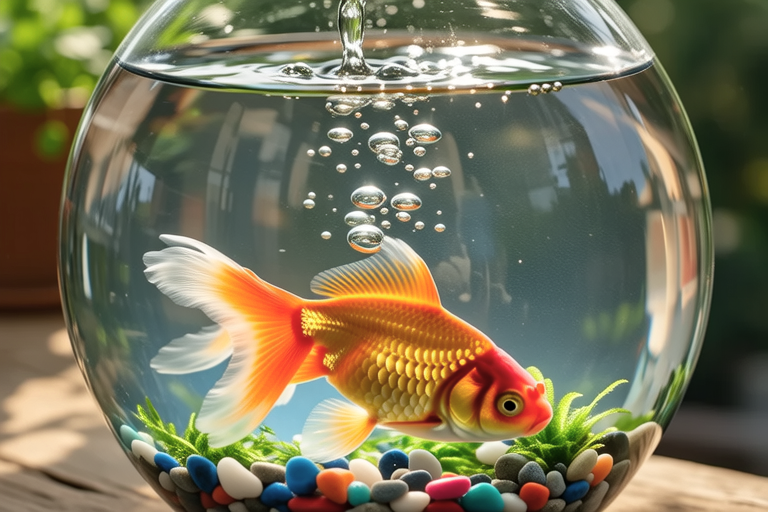
How to Create a Vibrant Underwater Habitat for Your Goldfish
Welcome to your guide on creating a vibrant underwater habitat for your goldfish! Whether you’re a seasoned aquarist or a beginner, this comprehensive article will help you establish a thriving environment for your aquatic companions. We’ll cover everything from choosing the right tank size to maintaining a balanced ecosystem, ensuring your goldfish live happy, healthy lives.
Choosing the Right Tank Size
The first step in creating a vibrant underwater habitat for your goldfish is selecting the appropriate tank size. Goldfish are active swimmers and require ample space to thrive. A general rule of thumb is to provide at least 20 gallons of water per goldfish. This ensures they have enough room to swim freely and reduces stress. Opt for a longer tank rather than a tall one, as goldfish prefer horizontal swimming over vertical movements.
Additionally, consider the number of fish you plan to keep. Each additional goldfish will need approximately 10 gallons more water. Overcrowding can lead to poor water quality and increased stress, which may negatively impact their health. Remember, goldfish grow rapidly, so it’s wise to start with a larger tank to accommodate their growth.
Essential Filtration Systems
A well-functioning filtration system is crucial for maintaining clean, healthy water in your goldfish tank. Goldfish produce waste, and without proper filtration, the water can quickly become polluted. There are three main types of filtration: mechanical, biological, and chemical.
- Mechanical Filtration: This type removes physical debris like uneaten food and fish waste from the water. Filters equipped with sponge or foam pads are effective for this purpose.
- Biological Filtration: Beneficial bacteria colonize the filter media, breaking down harmful ammonia and nitrite into less toxic nitrate. This process is known as the nitrogen cycle.
- Chemical Filtration: Carbon and other chemical media help absorb dissolved organic compounds, further enhancing water clarity.
It’s important to choose a filter that matches your tank size and provides adequate flow rate. A good guideline is to aim for a filter that can turnover the entire volume of water four to six times per hour. Regular maintenance of your filtration system, including cleaning the media and replacing carbon, ensures its effectiveness.
Appropriate Lighting
Lighting plays a vital role in creating a visually appealing underwater habitat and promoting the health of any live plants you include. Goldfish themselves don’t require light for survival, but providing a daily photoperiod (about 8-12 hours) can help regulate their circadian rhythms and enhance their coloration. Choose a full-spectrum LED light that mimics natural sunlight, and consider incorporating adjustable timers to automate the on/off cycle.
When selecting lighting fixtures, ensure they are designed for aquarium use and are compatible with your tank dimensions. Avoid overly intense lights that could heat up the water excessively, as goldfish prefer cooler temperatures. Additionally, providing some shade or hiding spots within the tank can offer your goldfish a sense of security and reduce stress.
Beneficial Plants and Decorations
Incorporating live plants and decorations into your goldfish tank not only enhances its aesthetic appeal but also contributes to the overall health of your aquatic ecosystem. Live plants oxygenate the water, absorb excess nutrients, and provide hiding spots for your fish. Popular choices for goldfish tanks include Anacharis, Java Fern, and Hornwort. These plants are hardy and can thrive in a variety of water conditions.
Decorations such as rocks, driftwood, and ceramic ornaments add visual interest and create diverse environments within the tank. However, avoid sharp or abrasive materials that could harm your goldfish. Incorporating caves and tunnels encourages exploration and provides additional hiding spaces. It’s important to weigh down decorations properly to prevent them from shifting or toppling over, which could injure your fish.
Suitable Water Temperature and pH Levels
Maintaining optimal water parameters is essential for the well-being of your goldfish. Goldfish thrive in cool water between 68°F and 74°F (20°C to 23°C). Temperatures above 78°F (25.5°C) can be stressful and potentially harmful. Use a reliable aquarium heater to maintain consistent temperatures, especially if your home experiences significant temperature fluctuations.
Goldfish prefer slightly alkaline water with a pH level between 7.0 and 8.0. Regular testing using a high-quality test kit helps monitor these levels and ensures they remain stable. If necessary, adjustments can be made using pH buffers or water conditioners specifically formulated for goldfish care. Consistent water parameters contribute to a balanced ecosystem, supporting the health of your fish and any live plants.
Regular Maintenance Tips
Regular maintenance is key to keeping your goldfish tank clean and healthy. Here are some essential tasks to perform:
- Water Changes: Perform partial water changes (20-30%) every week to remove accumulated toxins and replenish beneficial minerals. Always use dechlorinated water, either through treatment or by letting tap water sit for 24 hours.
- Cleaning: Clean the tank glass, decorations, and filter media as needed. Avoid using soap or harsh chemicals, as these can be toxic to your fish.
- Monitoring: Keep a close eye on water parameters and fish behavior. Early detection of issues can prevent serious problems.
- Feeding: Feed your goldfish small amounts of food twice daily, removing any uneaten food after five minutes to prevent pollution.
By adhering to a consistent maintenance routine, you’ll ensure your goldfish remain healthy and your tank remains vibrant.
Variety of Safe, Nutritious Foods
A balanced diet is crucial for the health and longevity of your goldfish. Provide a variety of foods to meet their nutritional needs. High-quality flake or pellet foods form the foundation of their diet, offering essential proteins, fats, and vitamins. Supplement these with occasional treats such as freeze-dried or frozen bloodworms, brine shrimp, and daphnia. Vegetables like blanched peas, zucchini, and spinach can also be offered, though in moderation.
Be cautious about overfeeding, as excess food can pollute the water and cause digestive issues. Feed only what your goldfish can consume within five minutes. Observe your fish during feeding times to ensure they are eating adequately and adjust portions accordingly.
Importance of a Balanced Ecosystem
Creating a balanced ecosystem is fundamental to maintaining a vibrant underwater habitat for your goldfish. A healthy ecosystem supports all aspects of your tank, from water quality to plant health. Achieving balance involves careful planning and ongoing attention to various factors:
- Population Control: Maintain an appropriate number of fish to avoid overcrowding and ensure sufficient resources.
- Biofiltration: Establish and nurture beneficial bacteria populations to manage waste products effectively.
- Plants and Algae: Incorporate live plants and control algae growth to maintain nutrient levels and oxygenate the water.
- Environmental Stability: Monitor and stabilize water parameters, including temperature, pH, and hardness, to provide a consistent environment.
By fostering a balanced ecosystem, you’ll create a harmonious environment where your goldfish can thrive.
Avoiding Common Mistakes
Even experienced aquarists can make mistakes when setting up an underwater habitat. Here are some common pitfalls to avoid:
- Overcrowding: Ensure there’s enough space for each fish to swim comfortably.
- Inadequate Filtration: Invest in a filter that meets your tank’s needs and performs regular maintenance.
- Improper Feeding: Stick to a varied diet and avoid overfeeding.
- Neglecting Water Quality: Regularly test and maintain water parameters to prevent toxic conditions.
- Ignoring Signs of Stress: Pay attention to changes in behavior or appearance that might indicate underlying issues.
By being mindful of these potential errors, you’ll set yourself up for success in creating a thriving underwater habitat.
Creating a vibrant underwater habitat for your goldfish requires careful planning and attention to detail. By following the guidelines outlined in this article, you’ll provide your aquatic friends with a healthy, stimulating environment that promotes their well-being and enhances your enjoyment as a fish owner. Happy fishkeeping!
