Koi Chronicles: Discovering the Secrets Behind Their Vibrant Colors
Imagine a serene pond, its surface gently rippling under the soft glow of sunlight. A splash breaks the tranquility as a koi fish leaps out of the water, its scales shimmering with an array of vivid colors. Koi, or Cyprinus carpio, are ornamental carp renowned for their striking beauty and elegance. These captivating creatures have been cherished for centuries, playing significant roles in various cultures and symbolizing peace, prosperity, and good fortune.
The Origins and Cultural Significance of Koi Fish
Native to East Asia, koi were first bred from common carp in Japan during the 18th century. Initially used as food, these fish soon gained popularity for their ornamental value. The Japanese developed various breeds, each with distinct color patterns and characteristics. Over time, koi became symbols of perseverance and strength, as they thrive even in harsh environments.
In China, koi are associated with yin and yang, representing harmony and balance. They are also believed to bring good luck and fortune, making them popular gifts for special occasions. Similarly, in Western culture, koi are admired for their resilience and grace, often featured in decorative ponds and water gardens.
The Genetics Behind Koi Colors
The mesmerizing colors of koi result from a complex interplay of genetic factors. Melanin, a pigment responsible for black and brown hues, plays a crucial role in determining the base color of koi. Mutations in genes controlling melanin production lead to variations in color intensity and distribution. For example, the absence of melanin results in white koi, while increased melanin production leads to darker shades.
Other pigments, such as carotenoids and pteridines, contribute to the red, orange, yellow, and blue hues seen in koi. Carotenoids, found in plants and algae, give koi their vibrant red and orange tones. Pteridines, produced by the fish themselves, add a touch of blue to their scales. The interaction between these pigments creates unique patterns and combinations, making each koi truly one-of-a-kind.
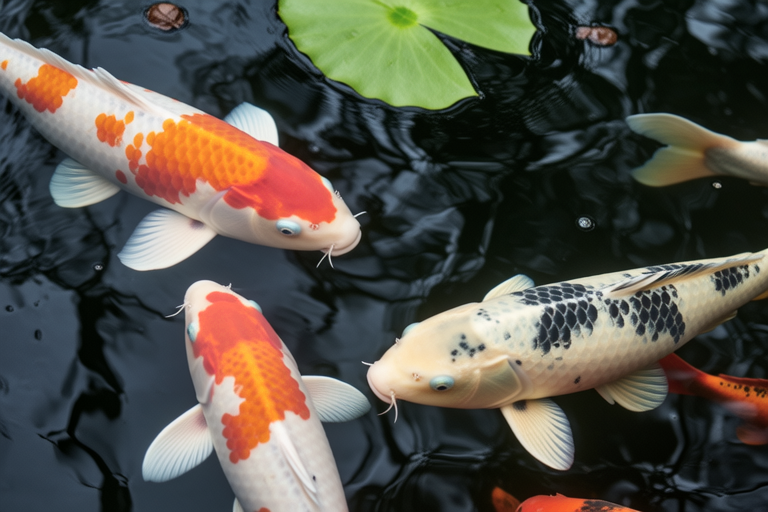
The arrangement of these pigments across the koi’s body is determined by intricate genetic mechanisms. Genes controlling the development of scale structures and patterns dictate where different colors appear. This results in a diverse range of color patterns, including the popular Kohaku (red and white), Showa Sanshoku (black, red, and white), and Taisho Sanshoku (red, white, and black).
Diet and Its Role in Enhancing Koi Colors
While genetics lay the foundation for koi colors, proper nutrition can significantly enhance their vibrancy. A well-balanced diet rich in essential nutrients promotes healthy pigmentation and overall vitality. Koi require a variety of vitamins, minerals, and proteins to maintain their stunning appearance.
Carotenoids, the primary source of red and orange pigments, are found in algae, crustaceans, and certain plants. Feeding koi a diet rich in these compounds ensures vibrant red and orange hues. Spirulina, a type of blue-green algae, is particularly beneficial for enhancing red pigmentation. It contains high levels of beta-carotene, which is converted into red pigments within the fish.
Protein-rich foods, such as krill and brine shrimp, provide the building blocks for koi growth and development. High-quality protein sources support the production of all pigments, ensuring balanced coloration. Vitamins E and C, antioxidants found in many commercial koi feeds, protect pigments from degradation, preserving their vibrancy.
Maintaining Optimal Water Conditions
Healthy water conditions are vital for maintaining vibrant koi colors. Poor water quality can stress the fish, leading to dull or faded pigmentation. Regular water changes, filtration, and monitoring of key parameters are essential for creating an ideal environment.
Adequate oxygen levels are crucial for koi health and coloration. Oxygen-depleted water can cause stress and affect the fish’s ability to produce and retain pigments. Installing an efficient aerator or waterfall can help maintain sufficient oxygen levels.
Water temperature and pH levels also play significant roles in koi color maintenance. Koi thrive in temperatures ranging from 65°F to 77°F (18°C to 25°C). Extreme temperatures can disrupt pigment production and distribution. Similarly, maintaining a stable pH between 7.2 and 8.0 ensures optimal conditions for color development.
Regular testing and adjustment of water parameters are necessary to prevent issues. Ammonia, nitrite, and nitrate levels should be monitored and kept within safe limits. High concentrations of these substances can stress koi and negatively impact their coloration.
The Emotional and Aesthetic Impact of Koi
The presence of koi in ponds and gardens has a profound emotional and aesthetic impact. Their graceful movements and vibrant colors create a sense of tranquility and beauty. Observing koi in their natural habitat can evoke feelings of peace and serenity, making them popular additions to serene outdoor spaces.
Koi ponds are often designed to resemble natural bodies of water, complete with rocks, plants, and waterfalls. These elements enhance the aesthetic appeal of the pond and provide hiding spots and resting areas for the fish. Proper landscaping and thoughtful design can create a harmonious environment that complements the koi’s beauty.
The symbolic meaning of koi adds depth to their presence in ponds and gardens. In addition to their visual appeal, koi represent perseverance, good fortune, and harmony. Incorporating koi into a garden or pond can bring a sense of balance and positivity to the space.
In conclusion, the vibrant colors of koi result from a combination of genetics, diet, and environmental factors. Understanding the secrets behind their beauty allows us to appreciate these magnificent creatures fully. By providing proper care and attention, we can ensure that koi continue to captivate and inspire, bringing joy and tranquility to our lives.
