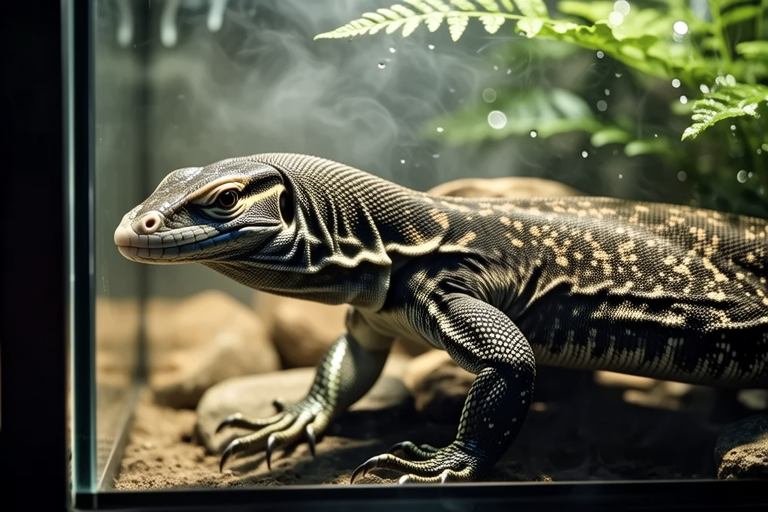
From Jungle to Home: Transforming Wild into Tamed – My Journey with a Water Monitor
Owning a water monitor, Varanus salvator, is a unique and rewarding experience that comes with its own set of challenges. These reptiles, native to Southeast Asia, are among the largest lizards in the world, capable of growing up to eight feet long. They are known for their intelligence, adaptability, and fascinating behaviors. However, their wild nature and specific care requirements make them unsuitable pets for the unprepared. This article chronicles my journey from capturing a water monitor in the wild to successfully integrating it into my home environment, detailing the challenges and rewards along the way.
The Initial Capture: A Dangerous Yet Ethical Endeavor
The first step in my journey was acquiring a water monitor. In my native region, these lizards can be found near rivers and swamps. The process of capturing one is fraught with danger, not just for the captor but also for the animal itself. It is crucial to prioritize the safety and well-being of the monitor throughout the capture process. I approached the task with respect for the animal and its habitat, ensuring that I did not disturb the ecosystem more than necessary.
My method involved setting up traps in areas where the monitors were frequently spotted. I used humane traps designed specifically for large reptiles, ensuring they were secure and could not harm the animal. Once captured, the monitor was carefully transported to a quarantine facility, where it was examined by a veterinarian to ensure good health. This initial step was vital to start the relationship on the right foot, demonstrating my commitment to ethical treatment and responsible ownership.
The Gradual Taming Process: Diet, Habitat Setup, and Behavioral Training
Once the monitor was settled, the next phase was to acclimate it to its new home. Setting up the right habitat was key to this process. A spacious enclosure, mimicking the natural environment of the water monitor, was essential. The enclosure included a large water area, as water monitors spend significant time in water, and plenty of climbing structures to encourage exercise and mental stimulation. Ensuring the temperature and humidity levels were correct was also crucial, as these factors directly impact the health and comfort of the lizard.
Dietary needs were another critical aspect of care. Water monitors are carnivorous, feeding primarily on fish, frogs, insects, and small mammals. Providing a balanced diet rich in protein and nutrients was essential for their growth and overall health. Over time, the monitor became accustomed to eating from me, which helped in building trust and facilitating handling. Behavioral training was also part of the process, involving gentle interactions and positive reinforcement techniques to encourage calm behavior around humans.
Bonding Experiences and Overcoming Difficulties
One of the most rewarding aspects of my journey has been the bond formed with my water monitor. Initially, the monitor was wary and defensive, but through consistent, gentle interactions, it began to recognize me as a non-threatening presence. There have been moments of pure joy, such as when the monitor would swim alongside me or climb onto my shoulder for a brief moment of companionship. These moments underscored the depth of the connection we had built.
However, the road to this point was not without challenges. One particularly difficult period occurred when the monitor refused food for several days. After consulting with experts, I realized that the stress of the move had caused this behavior. I adjusted the environment to be more calming, providing more hiding spots and reducing noise. With patience and adjustments, the monitor resumed eating, and its health improved. These experiences taught me the importance of understanding and addressing the emotional and physical needs of the animal.
Ongoing Care and Health Maintenance
Maintaining the health and happiness of a water monitor requires continuous effort. Regular veterinary check-ups are essential, as are routine health checks for signs of illness or injury. Monitoring the water quality and ensuring a clean, hygienic environment are also crucial. Nutrition plays a significant role in their health, and it is important to provide a varied diet that meets all nutritional needs. Researching the specific dietary and environmental requirements of the species is indispensable for their well-being.
Community support has been invaluable throughout this journey. Engaging with other reptile enthusiasts and veterinarians has provided insights and advice that have been instrumental in caring for my monitor. Forums, social media groups, and local reptile clubs offer platforms to share knowledge and experiences, helping novices and experienced owners alike. This sense of community fosters a supportive environment where challenges can be overcome together.
Reflections and Lessons Learned
Reflecting on this journey, I am struck by the profound connection I have formed with my water monitor. It is a testament to the potential for interspecies bonds when respect and care are at the forefront. The lessons learned extend beyond reptile care; they encompass the broader principles of responsibility, empathy, and dedication. Owning a water monitor has been a humbling experience, teaching me about the intricacies of animal behavior and the importance of creating environments that promote health and happiness.
This journey has also highlighted the need for responsible pet ownership. While water monitors can be wonderful companions, they are not suitable for everyone. The commitment required, both in terms of time and resources, must be carefully considered. For those who are prepared, however, the rewards are immeasurable. The bond formed with a water monitor is a reminder of the beauty and complexity of life, and the endless possibilities of human-animal relationships.
