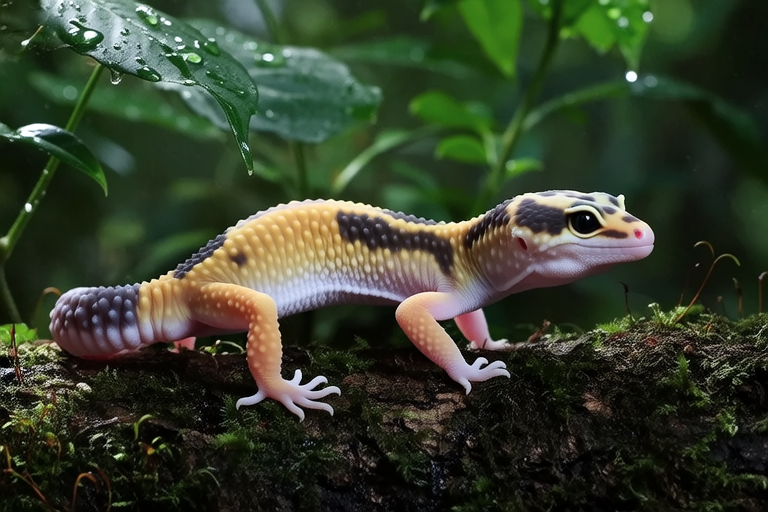
Unveiling the Mystery Behind Why Chameleons Change Color
Welcome to a fascinating journey into the world of chameleons, those enchanting creatures known for their remarkable ability to alter their skin color. These reptiles, belonging to the family Chamaeleonidae, are primarily found in Africa and Madagascar, but they have also been introduced to other parts of the world. With over 200 species, chameleons come in a wide array of sizes, from the tiny Brookesia minima, which measures just 3 cm in length, to the larger Furcifer oustaleti, reaching up to 68 cm. One of the most intriguing aspects of these animals is their unique ability to change color, a phenomenon that has captured the imagination of scientists and nature enthusiasts alike.
Chameleons are often associated with their ability to blend into their surroundings, leading many to believe that they change color solely for camouflage purposes. This misconception, while understandable given the popular image of chameleons as masters of disguise, is only part of the story. In reality, chameleons change color for a variety of reasons, including temperature regulation, communication, and mood expression. Let’s delve deeper into the science behind this fascinating phenomenon.
The Science Behind Chameleon Color Changes
Chameleons possess specialized cells beneath their skin called chromatophores. These cells contain pigments responsible for the color changes. There are three main types of chromatophores: xanthophores (yellow), erythrophores (red), and guanophores (blue). When a chameleon needs to change its color, it can expand or contract these cells, allowing different combinations of pigments to be displayed on the surface of its skin.
Temperature regulation is one of the primary reasons chameleons change color. By altering their skin color, chameleons can absorb or reflect sunlight, helping them maintain optimal body temperature. For instance, a chameleon may darken its skin to absorb more heat on cool mornings or lighten its color to reflect excess heat during the day. This adaptation is crucial for survival in environments where temperatures can fluctuate dramatically.
Communication is another significant factor driving color changes in chameleons. These reptiles use color shifts to convey messages to other chameleons, such as signaling readiness to mate or indicating aggression. During courtship displays, male chameleons often exhibit vibrant hues to attract females. On the other hand, when two males encounter each other, they may display darker, more intense colors as a sign of dominance or to ward off potential rivals. The intensity and pattern of these color changes can vary depending on the species and the specific situation.
Mood expression is yet another reason why chameleons change color. Just like humans experience emotions that influence their behavior, chameleons also have moods that can be reflected through their skin color. A calm and relaxed chameleon might appear in shades of green, while a stressed or frightened chameleon could display darker colors. Understanding these mood-related color changes can provide valuable insights into the emotional well-being of chameleons in captivity or in the wild.
Examples of Color Changes in Chameleon Behavior
Different colors serve various functions in chameleon behavior. For example, a bright yellow or orange coloration may indicate that a chameleon is preparing to engage in aggressive behavior. This warning signal serves as a deterrent to potential threats, much like a skunk spraying foul-smelling fluid. In contrast, a chameleon displaying blue or turquoise colors might be expressing contentment or relaxation. Female chameleons, particularly during the breeding season, may show a combination of red, orange, and yellow colors to signal their receptiveness to mating.
One notable example of color change in chameleon behavior is the courtship display of the panther chameleon (Furcifer pardalis). Males of this species can display an impressive array of colors, including shades of blue, green, yellow, and red. These vibrant hues are used to impress potential mates and intimidate rival males. The intensity and pattern of these colors can vary depending on the individual chameleon and the specific circumstances. Observing these displays can provide fascinating insights into the complex social dynamics of chameleons.
Recent Research Findings
Recent research has shed new light on the mechanisms behind chameleon color changes and their implications for understanding chameleon behavior. One study published in the journal Scientific Reports in 2015 revealed that chameleons can rapidly change color through the active tuning of nanocrystals in iridophore cells. These crystals act like tunable optical filters, allowing chameleons to produce a wide range of colors with incredible speed and precision. This discovery challenges previous assumptions about the role of pigment cells in color changes and highlights the complexity of chameleon physiology.
Another study published in the journal Biology Letters in 2017 explored the role of color changes in chameleon communication. Researchers found that chameleons use specific color patterns to signal their intentions to other chameleons. For example, a chameleon displaying a bright red head might be signaling aggression, while a chameleon showing a pale blue tail might be indicating submission. These signals can help prevent unnecessary physical confrontations and promote peaceful coexistence among chameleons.
Recent advancements in technology, such as high-speed cameras and advanced imaging techniques, have allowed researchers to observe chameleon color changes in unprecedented detail. These tools have provided valuable insights into the speed and precision of color changes, as well as the physiological processes underlying these transformations. As our understanding of chameleon color changes continues to grow, so too does our appreciation for the complexity and beauty of these remarkable creatures.
In conclusion, chameleons are truly fascinating animals whose ability to change color has long intrigued scientists and nature enthusiasts alike. While the popular image of chameleons as masters of disguise is not entirely accurate, their unique color-changing abilities play a crucial role in temperature regulation, communication, and mood expression. Recent research has further deepened our understanding of the mechanisms behind these color changes and their implications for chameleon behavior. As we continue to explore the mysteries of chameleon color changes, we gain a greater appreciation for the intricate web of life that connects us all.
