The Hidden Costs of Caring for Your Mini Pig That No One Talks About
Mini pigs have become increasingly popular as pets due to their small size, seemingly gentle demeanor, and their ability to form strong bonds with humans. However, many potential owners may not be fully aware of the significant financial commitment that comes with caring for these animals. While the initial adoption cost might seem reasonable, there are numerous hidden expenses that can quickly add up. This article delves into the often-overlooked costs of owning a mini pig, including unexpected veterinary expenses, specialized diet costs, housing adaptations, grooming supplies, and potential behavioral training fees.
Unexpected Veterinary Expenses
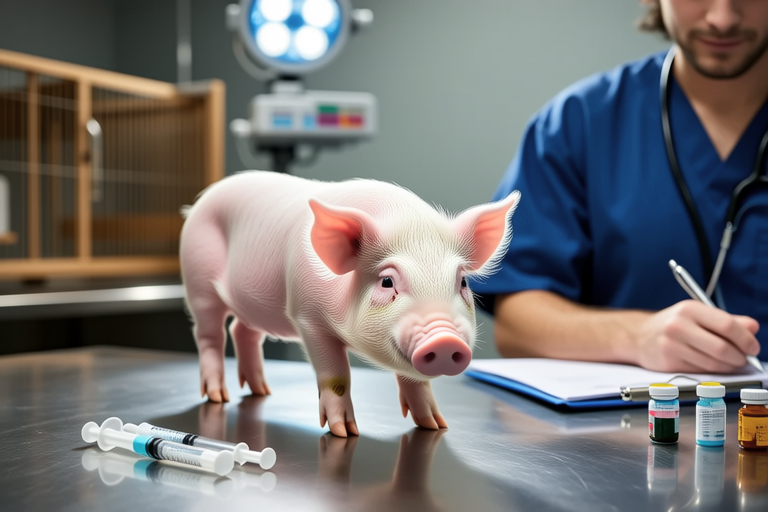
One of the most significant hidden costs of owning a mini pig is veterinary care. Like any other pet, mini pigs require regular check-ups, vaccinations, and treatments for various health issues. However, due to their unique physiology, they can also develop conditions that require specialized care. For instance, mini pigs are prone to obesity, which can lead to joint problems, heart disease, and respiratory issues. Regular visits to a veterinarian who specializes in exotic animals can be expensive, with each consultation costing anywhere from $75 to $300 or more depending on the region and the complexity of the case.
Moreover, emergency situations such as injuries or sudden illnesses can incur substantial costs. Emergency vet visits can range from $500 to over $2,000, depending on the severity of the situation and the treatment required. It’s important to note that many standard pet insurance policies do not cover exotic animals like mini pigs, so owners must either pay out-of-pocket or seek specific insurance for exotic pets, which can itself be an additional expense.
Specialized Diet Costs
Another crucial aspect of mini pig care is their diet. Unlike dogs or cats, mini pigs require a carefully balanced diet that provides the right nutrients without leading to obesity. A high-quality commercial mini pig food is essential but can be costly. These foods are specifically formulated to meet the nutritional needs of mini pigs and can cost between $40 to $80 per bag, depending on the brand and size. Additionally, mini pigs need a variety of fresh fruits and vegetables to supplement their diet, adding to the overall feeding expenses.
Feeding your mini pig a well-balanced diet also involves careful monitoring and adjusting portion sizes. Overfeeding is a common mistake that leads to health issues. Therefore, it’s essential to invest in scales and measuring cups to ensure accurate feeding. Furthermore, some mini pigs may require special dietary supplements or medications if they develop certain health conditions, which can add to the ongoing costs.
Housing Adaptations
Providing a suitable living environment for a mini pig is another significant financial consideration. Mini pigs are intelligent and active animals that require ample space to move around and exercise. Depending on the climate and local regulations, this could mean setting up an indoor area, an outdoor pen, or both. An appropriate outdoor pen should be large enough to allow the pig to roam freely while being secure against predators and weather extremes.
Constructing or purchasing an adequate enclosure can be costly. Fencing materials, shelters, and other necessary structures can run into hundreds or even thousands of dollars. Moreover, maintaining the enclosure requires regular cleaning and repairs, which adds to the ongoing expenses. If you choose to keep your mini pig indoors, you will need to adapt your home to accommodate its needs, potentially involving renovations to create a safe and comfortable living space.
Grooming Supplies
Grooming is an essential part of keeping your mini pig healthy and happy. While mini pigs do not shed much, they still require regular grooming to maintain their skin and coat health. This includes brushing their fur, trimming their nails, and cleaning their ears. Specialized grooming tools designed for pigs, such as soft brushes and nail clippers, can be expensive. Additionally, pig-safe shampoos and conditioners are necessary to avoid irritating their sensitive skin.
Regular grooming sessions also provide an opportunity to check for any signs of illness or injury. If you’re not comfortable handling these tasks yourself, professional grooming services can be sought, but these can be pricey, ranging from $50 to $150 per session. It’s advisable to start grooming your mini pig early and frequently so they get used to it, making future sessions easier and less stressful for both of you.
Potential Behavioral Training Fees
Behavioral training is another area where costs can escalate. Mini pigs are intelligent creatures that can exhibit behaviors that may not be ideal for a household pet, such as rooting, biting, or destructive chewing. Proper training can help manage these behaviors and ensure a harmonious relationship between the pig and its human companions.
Training classes or hiring a professional trainer can be quite expensive, with individual sessions costing between $50 and $200. Ongoing training and reinforcement are necessary to maintain good behavior, which means continued investment in time and money. It’s important to remember that training is an ongoing process, and consistency is key to success.
Practical Advice for Prospective Owners
Owning a mini pig is a significant financial responsibility that goes far beyond the initial adoption cost. To prepare for the long-term expenses, it’s advisable to set aside a budget specifically for pet care. This budget should include funds for regular veterinary check-ups, vaccinations, and emergency care; a reserve for dietary needs, including specialty foods and supplements; and a contingency fund for unforeseen expenses.
Researching and understanding the specific needs of mini pigs before adopting one can help minimize surprises down the line. Joining local or online communities dedicated to mini pig ownership can provide valuable insights and support. These communities often share tips, resources, and advice from experienced owners, helping newbies navigate the challenges and joys of caring for a mini pig.
Lastly, consider the long-term commitment involved. Mini pigs can live up to 20 years, meaning that the financial responsibility extends over a considerable period. Ensuring that you have the financial stability and commitment to provide for your mini pig throughout its life is crucial.
In conclusion, while mini pigs can make wonderful companions, they come with significant financial obligations. Being aware of these hidden costs and preparing accordingly can help ensure a happy and healthy life for both you and your mini pig. With proper planning and dedication, the joy and companionship that a mini pig brings can far outweigh the financial challenges.
