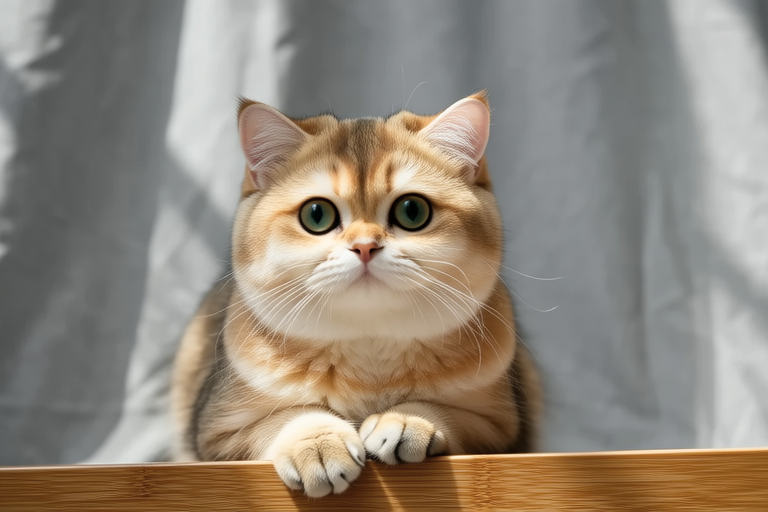
The Ultimate Guide to Caring for Your Golden British Shorthair Cat
Welcome to the world of golden British Shorthair cats! These majestic creatures are known for their friendly, calm demeanor and stunning golden coats. Whether you’re a seasoned cat owner or welcoming your first feline friend into your home, this guide will provide you with all the necessary information to ensure your golden British Shorthair lives a long, healthy, and happy life.
Diet: Nourishing Your Golden British Shorthair
Feeding your golden British Shorthair the right diet is crucial for their overall health. These cats require a balanced mix of proteins, fats, and carbohydrates to maintain their muscle mass and energy levels. High-quality commercial cat foods, specifically formulated for indoor cats, are often recommended as they provide a well-rounded nutritional profile. Look for products that list meat as the primary ingredient and avoid those containing fillers or artificial preservatives.
In addition to commercial diets, you can supplement your cat’s meals with fresh vegetables and occasional treats. However, be cautious about the types of human food you offer; some can be toxic to cats. Always consult with your veterinarian before making any significant changes to your cat’s diet.
Grooming: Keeping Your Cat’s Coat Lustrous
Golden British Shorthairs have a dense, plush coat that requires regular grooming to prevent matting and tangles. Brushing your cat at least once a week helps remove loose hair, distribute natural oils throughout the coat, and stimulate blood circulation. During shedding seasons, which typically occur in spring and fall, you may need to increase the frequency of brushing to several times per week.
Bathing your golden British Shorthair is generally unnecessary unless they get particularly dirty or develop skin issues. Over-bathing can strip their coat of essential oils, leading to dryness and irritation. If you do decide to bathe your cat, use a gentle, cat-specific shampoo and ensure the water temperature is warm but not hot.
Health Maintenance: Ensuring a Long Life
Regular veterinary check-ups are vital for keeping your golden British Shorthair in top condition. Schedule annual visits for routine exams, vaccinations, and dental cleanings. Additionally, monitor your cat for signs of illness such as lethargy, loss of appetite, or unusual behavior. Early detection of health problems can significantly improve treatment outcomes.
Golden British Shorthairs are prone to certain hereditary conditions, including hypertrophic cardiomyopathy (HCM), hip dysplasia, and polycystic kidney disease (PKD). Genetic testing and selective breeding practices can help reduce the prevalence of these disorders within the breed. Discuss these potential health risks with your veterinarian to determine the best preventive measures for your cat.
Exercise Needs: Keeping Your Cat Active
Despite their robust appearance, golden British Shorthairs enjoy moderate exercise to maintain their physical fitness and mental stimulation. Provide them with interactive toys that encourage play and movement, such as feather wands, laser pointers, or puzzle feeders. Rotate their toys periodically to keep them engaged and interested.
Interactive play sessions should last approximately 10-15 minutes twice daily. This not only promotes physical activity but also strengthens the bond between you and your cat. Be mindful of your cat’s individual preferences and adjust the duration and intensity of play accordingly.
Suitable Environments: Creating a Comfortable Home
Your home environment plays a significant role in your golden British Shorthair’s happiness and wellbeing. Ensure there are plenty of cozy spots for them to rest and hide, such as elevated perches, soft blankets, or enclosed beds. Cats feel secure when they have multiple vantage points from which to observe their surroundings.
Provide scratching posts made from durable materials like sisal or cardboard to satisfy your cat’s instinctual need to scratch. Place these posts in high-traffic areas of your home to encourage use. Regularly trim your cat’s nails to prevent damage to furniture and carpets.
Training Tips: Encouraging Good Behavior
Golden British Shorthairs are intelligent and trainable cats, making them ideal candidates for basic obedience training. Positive reinforcement techniques, such as treats, praise, and affection, are highly effective in shaping desired behaviors. For example, rewarding your cat for using the litter box consistently can help establish good habits early on.
It’s important to note that cats respond better to gentle guidance rather than harsh corrections. Patience and consistency are key when teaching your cat new commands or discouraging unwanted behaviors. Seek professional advice if you encounter persistent behavioral issues that affect your cat’s quality of life.
Common Behavioral Issues: Understanding Your Cat
Like any other breed, golden British Shorthairs may exhibit behavioral challenges from time to time. Some common issues include aggression, inappropriate elimination, and excessive vocalization. Addressing these problems promptly through proper training and environmental enrichment can help resolve them effectively.
If your cat displays sudden changes in behavior, it could indicate underlying health concerns. Consult with your veterinarian to rule out medical causes before proceeding with behavioral interventions. Remember that every cat is unique, so tailor your approach based on your individual pet’s needs and personality.
Selecting Appropriate Toys and Accessories
Choosing the right toys and accessories for your golden British Shorthair enhances their enjoyment and engagement. Look for items that cater to their natural instincts, such as chasing, pouncing, and batting. Interactive toys that dispense treats during play can also serve as mental stimulation tools.
Consider investing in a sturdy scratching post, comfortable bed, and feeding station designed specifically for cats. These additions create a more inviting and functional living space for your feline companion. Rotate toys regularly to keep your cat entertained and prevent boredom.
Understanding Typical Medical Concerns
As mentioned earlier, golden British Shorthairs are predisposed to certain genetic diseases. Hypertrophic cardiomyopathy (HCM) affects the heart muscle, causing it to thicken and potentially lead to heart failure. Hip dysplasia involves malformation of the hip joint, resulting in pain and reduced mobility. Polycystic kidney disease (PKD) causes cysts to form on the kidneys, gradually impairing their function over time.
Early diagnosis and management of these conditions can significantly improve prognosis and quality of life. Regular veterinary examinations and genetic testing are essential components of preventive healthcare for this breed. Stay informed about advancements in treatment options and participate actively in your cat’s care plan.
Tips for Bonding with Your Cat
Building a strong relationship with your golden British Shorthair takes time and effort. Spend quality time together each day through activities like playing, grooming, and cuddling. Respect your cat’s boundaries and allow them to set the pace of interaction.
Pay attention to your cat’s body language and vocalizations to understand their needs and preferences. Establish routines that promote predictability and security, which many cats find comforting. By fostering trust and mutual respect, you’ll create a lasting bond with your golden British Shorthair.
