Complete Guide to Understanding and Caring for an Abyssinian Pet at Home
Introduction to Abyssinian Pets
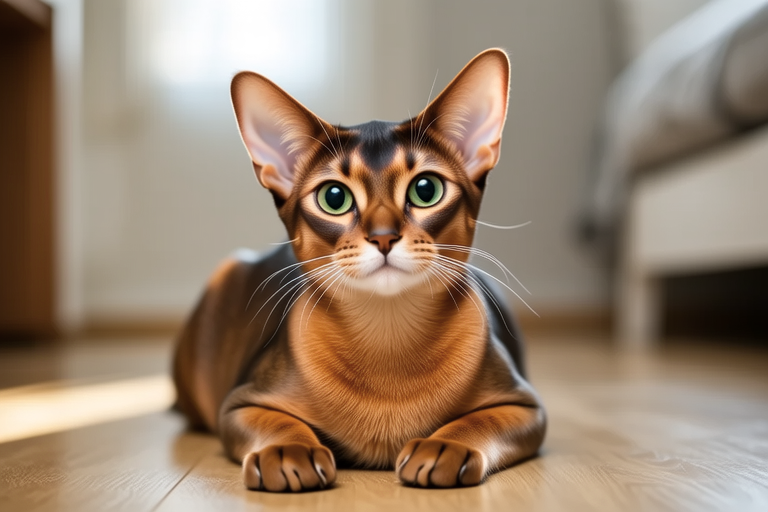
The Abyssinian is one of the oldest cat breeds known to man. Originating from ancient Egypt, these cats have been cherished for centuries for their striking resemblance to the sacred cats of ancient times. The modern Abyssinian breed is believed to have descended from a single female cat named Zula, who was brought to England in the mid-19th century. Abyssinians are medium-sized, muscular cats with a distinctive ticked coat that gives them a wild yet elegant appearance.
Personality Traits and Common Behaviors
Abyssinians are known for their curious and playful nature. They are highly intelligent and enjoy interactive play, making them excellent companions for families with children. These cats are also very vocal and will often communicate with their owners through chirps and meows. Their independent streak means they can entertain themselves but still crave attention and affection from their human family.
Dietary Needs and Feeding Schedule
Abyssinians require a balanced diet rich in protein and essential nutrients to maintain their health and energy levels. High-quality commercial cat foods designed for indoor or active cats are generally sufficient. It’s important to avoid overfeeding, as Abyssinians can be prone to obesity. A feeding schedule of two meals per day is recommended, ensuring portion control to prevent weight gain.
Grooming Requirements and Tips
Despite their short coats, Abyssinians require regular grooming to keep their fur healthy and free from mats. Brushing once or twice a week helps remove loose hair and distribute natural oils throughout the coat. Bathing should be minimal, only when necessary, as frequent bathing can strip the coat of its natural oils. Additionally, regular nail trimming and dental care are essential for overall health.
Exercise Needs and Suggestions
Abyssinians are an active breed and need plenty of opportunities to exercise. Providing toys that encourage climbing, jumping, and chasing is ideal. Interactive play sessions with your Abyssinian can help satisfy their need for mental stimulation and physical activity. Puzzle feeders can also be used to engage their minds while providing food.
Health Concerns Specific to Abyssinian Pets and Preventive Care
While generally healthy, Abyssinians are prone to certain genetic conditions such as renal amyloidosis, hypertrophic cardiomyopathy, and dental issues. Regular veterinary check-ups and genetic testing can help identify potential health problems early. Maintaining a healthy weight, providing proper nutrition, and ensuring regular exercise can also contribute to their overall well-being.
Tips for Socializing and Training Abyssinian Pets
Socialization is crucial for Abyssinians, especially during their kittenhood. Early exposure to various environments, people, and other animals can help them become well-adjusted and confident adults. Training can be approached positively with treats and praise, focusing on basic commands like sit, stay, and come. Clicker training is particularly effective for this breed due to their intelligence and responsiveness.
Creating a Safe and Stimulating Environment at Home
Abyssinians thrive in environments that offer both comfort and stimulation. Provide scratching posts, climbing structures, and cozy resting spots. Ensure all areas are safe, with no toxic plants or small objects that could be swallowed. Window perches are also appreciated, as Abyssinians enjoy observing the world outside.
Advice on Integrating an Abyssinian into a Multi-Pet Household
Introducing a new Abyssinian to other pets requires patience and gradual introduction. Start by separating the pets initially and then gradually allow supervised interactions. Pay attention to body language and behavior to ensure a harmonious relationship. Positive reinforcement can help reinforce good behavior during these interactions.
Conclusion
In conclusion, owning an Abyssinian cat is a rewarding experience filled with joy and companionship. By understanding their unique needs, providing proper care, and creating a loving environment, you can ensure your Abyssinian leads a happy and healthy life. Remember, responsible pet ownership involves commitment, time, and dedication. With the right approach, you’ll form a strong bond with your Abyssinian and enjoy many years of companionship.
