Unraveling the Mystery of the Chilean Rose Tarantula: The Perfect Pet for Arachnophiles
The world of exotic pets is vast and diverse, offering enthusiasts a wide array of animals to choose from. Among the most popular choices for those who appreciate the unusual are tarantulas, and none more so than the Chilean Rose tarantula (Grammostola rosea). This species is often heralded as the perfect starter spider for both novice and seasoned arachnophiles due to its manageable size, docile temperament, and striking rose hues. In this article, we will explore why the Chilean Rose tarantula is such a fantastic pet, delve into the specifics of their care, address common misconceptions, and offer guidance on how to integrate them safely into your home.
The Appeal of the Chilean Rose Tarantula
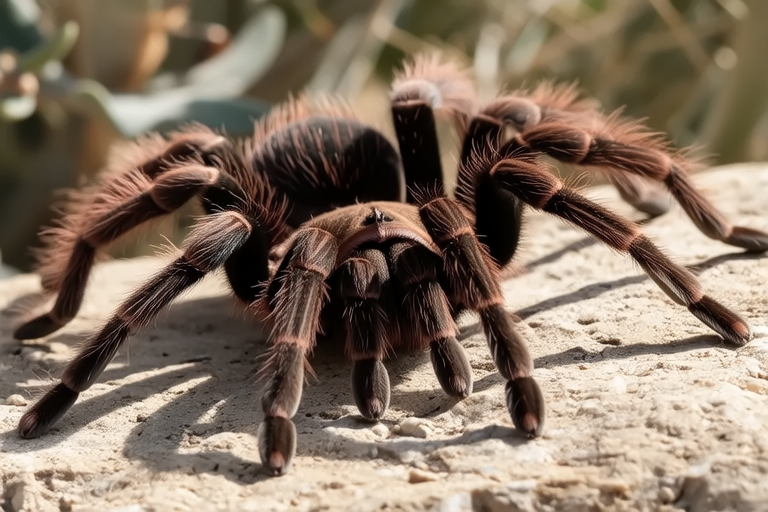
The Chilean Rose tarantula is named for its characteristic pinkish-brown coloration, which can range from light tan to deep rose, depending on the individual specimen. Their size, typically reaching 4 to 6 inches in leg span, makes them easy to handle without feeling overly large or intimidating. Despite their formidable appearance, these spiders are generally docile and rarely aggressive, making them ideal for those new to tarantula ownership. Their relatively simple care requirements also make them an excellent choice for first-time spider owners.
Creating the Ideal Living Conditions
To ensure your Chilean Rose tarantula thrives, it’s crucial to provide an appropriate habitat that mimics their natural environment. A glass terrarium with a secure lid is essential, providing a safe space for your pet while allowing you to observe its behavior. The enclosure should be spacious enough for the tarantula to move around comfortably but not so large that it feels lost or overwhelmed.
Temperature and humidity play a significant role in maintaining your tarantula’s health. Aim for a temperature range between 78°F and 85°F during the day, dropping slightly at night to 72°F to 78°F. Maintaining humidity levels between 60% and 80% is also important, especially when your tarantula is molting. You can achieve this by misting the enclosure lightly or using a humidifier.
The substrate, or bedding material, is another critical aspect of your tarantula’s environment. A layer of coconut fiber or peat moss, about 3 to 4 inches deep, provides an ideal surface for burrowing and climbing. It’s essential to keep the substrate clean and free from mold, which can harm your pet. Additionally, include a shallow water dish and some hiding spots like cork bark or half logs for your tarantula to feel secure.
Dietary Needs and Feeding Habits
Chilean Rose tarantulas are carnivorous and require a diet rich in protein. In the wild, they feed on insects such as crickets, grasshoppers, and small lizards. As pets, they thrive on a diet of crickets and mealworms, supplemented occasionally with dubia roaches or wax worms. Feed your tarantula once every week or two, depending on its age and size. Juveniles may need to eat more frequently, while adults can go longer between meals.
It’s important to gut-load feeder insects with nutritious food before offering them to your tarantula. Gut-loading involves feeding the insects a diet rich in vitamins and minerals, ensuring that your tarantula receives optimal nutrition. Additionally, dusting the feeder insects with calcium powder helps prevent nutritional deficiencies.
Gentle Handling and Interaction
While tarantulas are fascinating creatures, they should be handled gently and infrequently. Unlike some other pets, they do not enjoy being held or petted. Instead, focus on observing your tarantula from a distance, noting its behavior and movements. If you must handle your tarantula, do so carefully and only under controlled conditions. Always support its entire body, avoiding any sudden movements that might startle or stress the animal.
Selecting a Healthy Tarantula
When choosing a Chilean Rose tarantula, it’s vital to select a healthy individual from a reputable breeder or pet store. Look for signs of good health, such as clear eyes, fullness in the abdomen, and no signs of injury or illness. Avoid tarantulas that appear lethargic, have missing limbs, or show signs of mite infestation. A healthy tarantula will also be active and responsive to stimuli within its environment.
Addressing Common Myths
One of the most prevalent myths about tarantulas is that they are dangerous to humans. While all tarantulas possess venom, the Chilean Rose tarantula’s bite is comparable to a bee sting and poses little risk to healthy adults. Another misconception is that tarantulas are aggressive creatures. In reality, they are quite docile and prefer to avoid confrontation. Understanding these truths can help dispel fears and encourage responsible ownership.
Safely Integrating Your Tarantula into Your Home
Incorporating a Chilean Rose tarantula into your home requires careful consideration of both your pet’s needs and your own comfort level. Ensure that the enclosure is placed in a quiet area away from high traffic zones, where it won’t be disturbed by household activities. Keep children and pets away from the enclosure to prevent accidents or stress to your tarantula.
Maintaining a routine for feeding, cleaning, and monitoring your tarantula’s health is key to successful ownership. Regularly check for signs of illness or distress, and consult a veterinarian specializing in exotic pets if you notice any issues. With proper care and attention, owning a Chilean Rose tarantula can be a rewarding and educational experience, offering a glimpse into the fascinating world of these misunderstood creatures.
Ultimately, the Chilean Rose tarantula is a captivating and low-maintenance pet that can bring joy and fascination to arachnophiles of all levels. By understanding their unique needs and providing a loving, safe environment, you can enjoy the company of one of nature’s most intriguing creatures. Embrace the opportunity to learn and grow alongside your tarantula, and you’ll find that caring for these beautiful arachnids is both a privilege and a pleasure.
