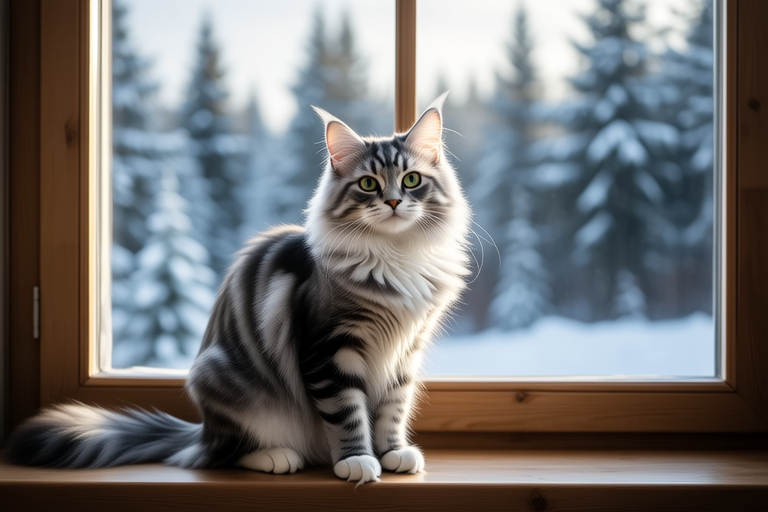
Diverse Range of Pets Popular in Norway
Norway, known for its breathtaking landscapes and rich cultural heritage, is also home to a wide variety of unique and beloved pets. From traditional favorites like dogs and cats to more unconventional companions such as reindeer and falcons, the country offers a plethora of options for animal lovers. This article delves into the history of pet ownership in Norway, the cultural significance of various pets, regional preferences, and emerging trends in pet adoption.
Historical Context of Pet Ownership in Norway
The tradition of keeping pets in Norway dates back centuries, with dogs being among the earliest domesticated animals. Initially, they were primarily used for hunting and herding, but over time, they became cherished companions. Cats, too, have been part of Norwegian households for generations, valued for their ability to control rodent populations. The Sami people, indigenous to northern Norway, have a long-standing relationship with reindeer, which are integral to their culture and way of life.
Cultural Significance of Various Pets
Pets play a significant role in Norwegian society, symbolizing companionship, loyalty, and protection. Dogs, especially, are highly regarded for their intelligence and trainability. Breeds like the Norwegian Elkhound, Buhund, and Lundehund are particularly popular due to their historical ties to Norwegian culture. These dogs were originally bred for hunting and guarding, but today, they serve as loyal family pets. Cats, with their independent yet affectionate nature, are often seen as symbols of good luck and fortune in Norwegian folklore.
Reindeer hold a special place in Norwegian culture, particularly in the northern regions where the Sami people reside. These majestic creatures are central to Sami traditions and are considered sacred. Falcons, on the other hand, are appreciated for their agility and prowess in hunting, and falconry has been practiced in Norway for centuries. Other exotic pets, such as ferrets and hedgehogs, have gained popularity in recent years, appealing to those seeking unique companions.
Regional Preferences and Unique Behaviors
While certain pets are favored nationwide, there are distinct regional preferences based on climate, geography, and local customs. In the southern regions, where agriculture thrives, farm animals like sheep and goats are common. These animals provide milk, wool, and meat, contributing to the local economy. Their gentle demeanor makes them ideal companions for families with children.
In the northern parts of Norway, the harsh winters and rugged terrain favor hardy breeds like the Norwegian Elkhound and Buhund. These dogs are well-suited to the cold weather and are known for their endurance and resilience. Reindeer, too, are prevalent in these areas, providing essential resources for the Sami people. They are raised for their meat, hides, and antlers, and are central to the Sami way of life.
Falcons are more commonly found in coastal regions, where they are trained for hunting seabirds. Their keen eyesight and swift flight make them excellent hunters, and falconry remains an important cultural practice in these areas. Ferrets and hedgehogs, though less common, are increasingly popular in urban settings, offering a unique alternative to traditional pets.
Characteristics, Care Requirements, and Unique Behaviors
Each pet comes with its own set of characteristics, care requirements, and unique behaviors that potential owners should consider. Norwegian Elkhounds, for instance, are known for their friendly and energetic nature. They require regular exercise and mental stimulation to prevent boredom and destructive behavior. A daily walk and interactive toys are essential for their well-being.
Buhunds are equally intelligent and trainable, making them ideal for obedience training and competitive sports. They thrive in environments where they can engage in activities that challenge their minds and bodies. Regular grooming is necessary to maintain their coat’s health, and they benefit from socialization with other dogs and humans from an early age.
Lundehunds are smaller than the other two breeds but possess remarkable agility and strength. Their unique five-toed paws enable them to climb cliffs and navigate rocky terrains with ease. They are particularly suited to outdoor adventures and enjoy exploring new environments. However, their small size means they require careful handling and protection from larger animals.
Reindeer, while not typically kept as pets, are fascinating creatures that deserve mention. They are semi-domesticated and are managed by the Sami people for their livelihood. Reindeer require spacious enclosures with access to natural vegetation and clean water. They are social animals that thrive in groups and benefit from regular interaction with their handlers. Their unique behaviors, such as migration patterns and seasonal changes in diet, make them captivating subjects for observation.
Falcons, although not commonly kept as pets, are highly valued for their hunting abilities. They require experienced handlers who can provide proper care, including a balanced diet and regular exercise. Training falcons involves building trust and communication, and it takes time and patience to establish a strong bond. Their agility and speed make them formidable hunters, and they are respected for their contribution to traditional practices.
Ferrets and hedgehogs, while smaller and easier to manage, still require specific care. Ferrets are curious and playful, but they need supervision to prevent them from getting into trouble. They are prone to mischief and can chew on inappropriate items if left unattended. Hedgehogs, on the other hand, are nocturnal and prefer quiet, dark environments. They are solitary animals that require minimal interaction but benefit from a stimulating habitat with plenty of hiding spots.
Recent Trends in Pet Adoption
In recent years, there has been a noticeable shift in pet ownership trends in Norway. While traditional pets like dogs and cats remain popular, there is growing interest in alternative companions such as reptiles, birds, and small mammals. Exotic pets offer a unique experience for those looking for something different from the norm. However, it is crucial to ensure that these animals are sourced ethically and provided with appropriate care.
The rise of eco-friendly and sustainable living has also influenced pet choices. Many Norwegians are opting for pets that align with their values, such as adopting rescue animals or choosing breeds that have a lower environmental impact. For example, smaller dog breeds generally produce fewer emissions than larger ones, and they require less food and resources. Similarly, cats are often considered more environmentally friendly than dogs due to their lower carbon footprint.
Environmental Impact and Sustainability of Pet Choices
The environmental impact of pet ownership is an important consideration for many Norwegians. Larger pets, particularly dogs, have a higher ecological footprint compared to smaller animals. They consume more resources, including food, water, and energy, and produce more waste. It is essential to choose pets that are compatible with one’s lifestyle and commitment to sustainability.
Adopting rescue animals is one way to reduce the environmental impact of pet ownership. Rescue shelters provide loving homes for animals in need and help control the pet population. Additionally, spaying and neutering pets can prevent unwanted litters and contribute to responsible pet ownership.
Choosing locally bred animals is another way to minimize the environmental impact of pet ownership. Locally bred pets are less likely to be transported long distances, reducing their carbon footprint. Furthermore, supporting local breeders promotes biodiversity and strengthens the local economy.
Conclusion
The diverse range of pets popular in Norway reflects the country’s rich cultural heritage and varied landscapes. From traditional favorites like dogs and cats to more unconventional companions such as reindeer and falcons, there is a pet to suit every lifestyle and preference. Understanding the historical context, cultural significance, regional preferences, and care requirements of various pets is essential for potential owners considering a Norwegian breed or lifestyle.
As pet ownership continues to evolve, it is important to prioritize sustainability and ethical practices. By adopting rescue animals, choosing locally bred pets, and supporting responsible breeding, we can minimize the environmental impact of our choices and promote a more sustainable future for both pets and people. Whether you are drawn to the loyalty of a Norwegian Elkhound or the grace of a falcon, there is a pet out there waiting to become your cherished companion.
