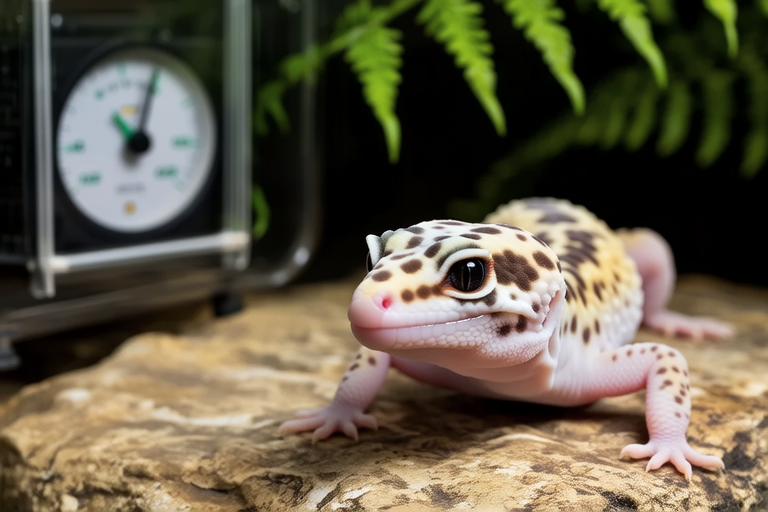
Leopard Gecko Care: Ultimate Guide for Beginners
Welcome to the world of leopard gecko ownership! These small, docile lizards are popular pets due to their hardiness, ease of care, and charming personalities. This guide will walk you through everything you need to know about providing the best care for your new friend.
Habitat Setup: Creating a Comfortable Home
The first step in leopard gecko care is setting up a proper habitat. A 20-gallon tank is ideal for one adult gecko, ensuring they have enough space to move around comfortably. For multiple geckos, increase the tank size accordingly.
Temperature regulation is crucial for your gecko’s health. Maintain a temperature gradient within the tank with a warm side between 90-95°F and a cooler side around 75-80°F. Use under-tank heaters or heat mats to achieve this. Avoid hot spots that could cause burns. Always monitor temperatures with a reliable thermometer.
Humidity should be kept low at 30-40%. Leopard geckos come from arid environments and require dry conditions. Overly humid tanks can lead to respiratory issues and skin problems. To prevent this, use a hygrometer to measure humidity levels and ensure good ventilation.
Choose bedding materials carefully. Avoid substrates like sand or gravel, which can cause impaction if ingested. Instead, opt for paper towels, reptile carpet, or eco-friendly bedding. These options are safer and easier to clean.
In addition to these essentials, provide hiding spots and climbing structures. Leopard geckos are nocturnal and benefit from places to hide during the day. Cork bark, caves, and small shelters are great additions.
Diet and Feeding: Nourishing Your Gecko
Leopard geckos are insectivores, meaning their diet consists mainly of insects. Crickets are a staple food, but variety is key. Offer other insects like mealworms, waxworms, and roaches. Feed your gecko appropriately sized prey items; a cricket should not exceed the width of the gecko’s head.
Frequency of feeding depends on age and size. Juveniles may need daily feedings, while adults can eat every other day. Always remove uneaten prey after feeding to prevent injury or stress to your gecko.
Supplements are important for calcium and vitamin D3. Dust insects with a calcium supplement containing D3 twice weekly and once weekly without D3. This balance helps prevent metabolic bone disease. Consult a veterinarian for specific recommendations based on your gecko’s needs.
Health Care Basics: Keeping Your Gecko Happy and Healthy
Regular veterinary check-ups are vital for maintaining your gecko’s health. Look for signs of illness such as lethargy, loss of appetite, weight loss, or unusual behavior. Early detection can prevent more serious issues.
Maintaining hygiene in the tank is crucial. Clean the enclosure weekly, removing waste and replacing soiled bedding. Disinfect the tank monthly using a reptile-safe cleaner. Proper cleaning prevents bacterial growth and keeps your gecko healthy.
Signs of a healthy gecko include clear eyes, active behavior, and regular shedding. If your gecko sheds improperly, help by soaking it in lukewarm water to soften the skin and assist with removal.
Handling Tips: Building a Bond with Your Gecko
Leopard geckos are generally calm and easy to handle, making them perfect for beginners. However, always support their body when holding them to avoid dropping or causing injury. Gently pick them up from behind, supporting their belly with one hand and their tail with the other.
Avoid handling your gecko immediately after feeding or when it’s sleeping. Allow them time to adjust to their new home before frequent handling. Patience and consistency will help build trust between you and your gecko.
Common Myths: Separating Fact from Fiction
There are several misconceptions about leopard geckos. One common myth is that they require UVB lighting. In reality, leopard geckos are nocturnal and don’t need UVB light. They synthesize vitamin D3 through their diet, so providing the correct supplements is more effective.
Another myth is that leopard geckos can live on a diet of crickets alone. While crickets are a good source of protein, a varied diet ensures they receive all necessary nutrients. Include other insects and occasionally offer gut-loaded fruits or vegetables for added nutrition.
Lastly, some believe that handling geckos frequently will make them sick. As long as you wash your hands before and after handling, and keep their environment clean, regular interaction won’t harm your gecko. In fact, gentle handling can help them become more comfortable around humans.
By following these guidelines, you’ll be well on your way to providing excellent care for your leopard gecko. Remember, responsible pet ownership involves commitment and continuous learning. Enjoy the journey of caring for this fascinating reptile!
