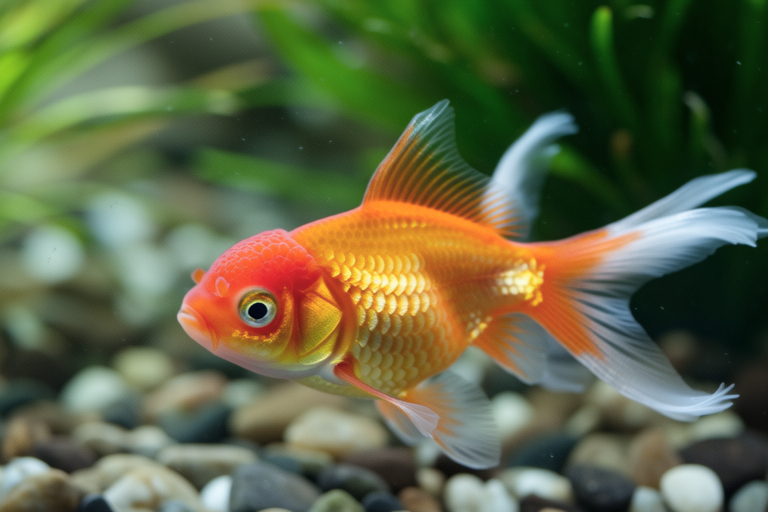
Debunking Common Myths About Goldfish
Introduction: Goldfish are among the most popular pets worldwide, adored for their vibrant colors and gentle demeanor. These freshwater fish have captivated hearts for centuries, making them a staple in many homes. However, despite their widespread appeal, several misconceptions persist about goldfish. In this article, we’ll explore five common myths about goldfish, providing scientific insights to set the record straight. By understanding these truths, you can ensure your goldfish live long, healthy lives.
Myth 1: Goldfish Have Three Second Memories
The Myth: One of the most enduring myths about goldfish is that they have a memory span of just three seconds. This belief has led many to assume that goldfish are simple creatures, incapable of learning or remembering anything significant.
The Truth: Research has shown that goldfish have a much longer memory than previously thought. Studies conducted by Dr. Trevor W. Rose of Macquarie University in Sydney demonstrated that goldfish can remember complex tasks for up to three months. They can even learn to recognize their caretakers and respond to specific feeding times. Moreover, goldfish can be trained to perform various tricks, such as swimming through hoops or touching a target. Their ability to learn and recall information suggests a more complex cognitive process than commonly believed.
Myth 2: Goldfish Can Thrive in Small Bowls
The Myth: Another widespread misconception is that goldfish can thrive in small bowls or tanks. Many first-time pet owners purchase tiny containers for their new companions, believing that these spaces are sufficient for their needs.
The Truth: Goldfish require ample space to swim and grow. A single goldfish should ideally be housed in at least 20 gallons of water, with additional space needed for each additional fish. Small bowls lack the necessary volume of water to maintain stable water quality, which is crucial for the fish’s health. In confined spaces, waste products accumulate quickly, leading to toxic levels of ammonia and nitrite, which can be fatal. Providing a larger tank not only improves water quality but also allows the fish to exercise, reducing stress and promoting overall well-being.
Myth 3: Goldfish Only Eat Fish Food
The Myth: It is often assumed that goldfish will only eat commercially prepared fish food. While this type of food is essential, many believe that offering other types of food could harm the fish.
The Truth: Goldfish have diverse dietary needs and can benefit from a varied diet. In addition to commercial pellets, they enjoy fresh vegetables like peas, zucchini, and lettuce. Live foods such as daphnia, brine shrimp, and bloodworms can also be offered occasionally to enhance nutrition. However, it’s important to introduce new foods gradually and monitor the fish for any adverse reactions. A balanced diet supports their growth, coloration, and immune system, ensuring they remain healthy and vibrant.
Myth 4: Goldfish Don’t Need Filters or Heaters
The Myth: Some people believe that goldfish can survive without filters or heaters in their tanks, relying solely on regular water changes to maintain cleanliness.
The Truth: Proper filtration is essential for maintaining water quality, especially in larger tanks. Filters help remove harmful waste products and maintain oxygen levels. Without adequate filtration, the water can become stagnant, leading to health issues for the fish. Additionally, while goldfish are generally cold-water fish, they still benefit from a heater to maintain a consistent temperature, particularly during colder seasons. This stability reduces stress and helps prevent diseases.
Myth 5: Goldfish Don’t Require Regular Water Changes
The Myth: There is a common belief that goldfish don’t need frequent water changes because they produce less waste compared to other aquarium fish.
The Truth: Regular water changes are vital for the health of goldfish. Even though they are hardy fish, their waste contributes to the buildup of toxins in the water. Weekly partial water changes (about 20-30%) help keep the environment clean and reduce the risk of infections. It’s also crucial to use a dechlorinator when changing water to neutralize harmful chemicals present in tap water. Maintaining pristine water conditions ensures that your goldfish remain healthy and active.
Tips for Proper Goldfish Care
Understanding the true needs of goldfish can significantly improve their health and longevity. Here are some practical tips for caring for your goldfish:
- Provide Adequate Space: Ensure your goldfish have enough room to swim freely. A minimum of 20 gallons per fish is recommended.
- Install Proper Filtration: Invest in a high-quality filter that matches the size of your tank. Regular maintenance of the filter is also important.
- Feed a Balanced Diet: Offer a variety of foods, including commercial pellets, fresh vegetables, and occasional live foods. Avoid overfeeding to prevent water pollution.
- Maintain Stable Water Conditions: Use a heater to maintain a consistent temperature and perform regular water changes to keep the environment clean.
- Monitor Water Quality: Test the water regularly for pH, ammonia, nitrite, and nitrate levels. Address any imbalances promptly to prevent health issues.
By adhering to these guidelines, you can create an optimal living environment for your goldfish, allowing them to thrive and enjoy a long, healthy life. Understanding and addressing the needs of your goldfish is key to their well-being and can lead to a rewarding and enjoyable experience for both you and your aquatic companions.
