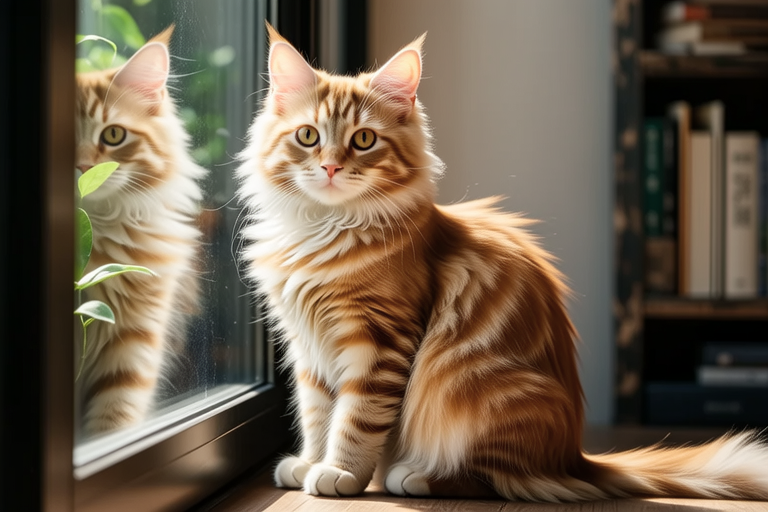
Orange Cats and Their Mysterious Ways: Unraveling Their Favorite Pastimes
Introduction
Orange cats have long captured the hearts of cat lovers everywhere with their striking coats and playful personalities. These felines, often associated with warmth and friendliness, are not just pretty faces. They have a unique set of behaviors and preferences that make them fascinating companions. From their hunting instincts to their social quirks, there’s much more to orange cats than meets the eye.
This article delves into the world of orange cats, exploring their favorite pastimes and the science behind their behaviors. We’ll uncover the mysteries surrounding these charming creatures and debunk common misconceptions. By understanding what makes orange cats tick, you can foster a stronger bond with your pet and ensure they lead happy, healthy lives.
The Allure of Orange Cats
Orange cats come in various shades, from the deep auburn of a ginger tabby to the bright orange of a calico. Their coat color is often linked to genetic factors, particularly the orange gene, which can be inherited from either parent. This gene is responsible for producing the red pigment in their fur, giving them their distinctive appearance.
These cats are not only visually striking but also have a reputation for being sociable and affectionate. Many orange cats are known for their loving nature, often seeking out human interaction and attention. However, this doesn’t mean all orange cats are alike. Each cat has its own personality, and it’s important to recognize and respect individual differences.
Playful Behavior and Hunting Instincts
One of the most endearing traits of orange cats is their playfulness. Whether it’s chasing after toys or engaging in mock battles with other animals, these felines are full of energy. Their playful behavior serves multiple purposes; it helps them stay physically fit and mentally stimulated.
Studies have shown that play in cats is a way of practicing essential skills like hunting. Even though domesticated cats may not need to hunt for survival, their instincts remain strong. Watching an orange cat pounce on a feather toy or chase a laser pointer is not just entertainment for the owner but also a form of exercise and mental stimulation for the cat.
Owners can encourage this natural behavior by providing interactive toys and creating stimulating environments. Puzzle feeders, for example, challenge the cat’s problem-solving abilities while also satisfying their need to ‘hunt’ for food.
Social Interactions and Communication
Orange cats are often described as social beings, enjoying the company of humans and sometimes other animals. However, this doesn’t mean they are always the center of attention. Some orange cats prefer quieter moments and may retreat when the household becomes too boisterous. Understanding your cat’s social needs is key to fostering a strong bond.
Cats communicate through body language, vocalizations, and scent marking. Orange cats, like all cats, use these methods to express their feelings and intentions. Paying attention to your cat’s signals can help you understand their mood and needs better. For instance, a relaxed posture with a tail held high indicates contentment, while a low, tucked tail could signal fear or anxiety.
It’s important to note that while orange cats may be more sociable, they still value their independence. Providing them with a comfortable space where they can retreat when needed is crucial for their well-being.
Misconceptions About Orange Cats
Despite their popularity, there are several misconceptions about orange cats that need to be addressed. One common myth is that all orange cats are male. While males are more likely to have orange coats, females can also inherit the orange gene. Another misconception is that orange cats are less intelligent or trainable compared to other breeds. This couldn’t be further from the truth.
Orange cats, like any other breed, are capable of learning tricks and commands if given proper training. Positive reinforcement techniques, such as treats and praise, work well with these intelligent creatures. Patience and consistency are key when teaching your orange cat new behaviors.
Tips for Owners
To better understand and bond with your orange cat, consider the following tips:
- Provide mental stimulation: Engage your cat in interactive play sessions daily to keep them mentally sharp and physically active.
- Respect their space: Give your cat a quiet place to retreat when they need some alone time.
- Encourage socialization: Introduce your cat to different people and animals gradually to help them become more comfortable in various settings.
- Use positive reinforcement: Reward good behavior with treats and praise to encourage desired actions.
- Stay observant: Pay attention to your cat’s body language and vocalizations to understand their emotions and needs.
By following these tips, you can create a nurturing environment that supports your orange cat’s physical and emotional health. Remember, every cat is unique, so take the time to get to know your pet’s individual preferences and habits.
Conclusion
Orange cats are more than just beautiful companions; they are complex creatures with unique behaviors and preferences. By understanding their playful nature, hunting instincts, and social interactions, we can better appreciate and care for these wonderful animals. Whether you’re a seasoned cat owner or a curious enthusiast, there’s always something new to learn about orange cats and their mysterious ways.
So next time you see an orange cat, take a moment to admire their beauty and wonder at the fascinating world they inhabit. With patience, love, and a bit of knowledge, you can deepen your connection with your orange cat and enjoy many years of companionship and joy.
