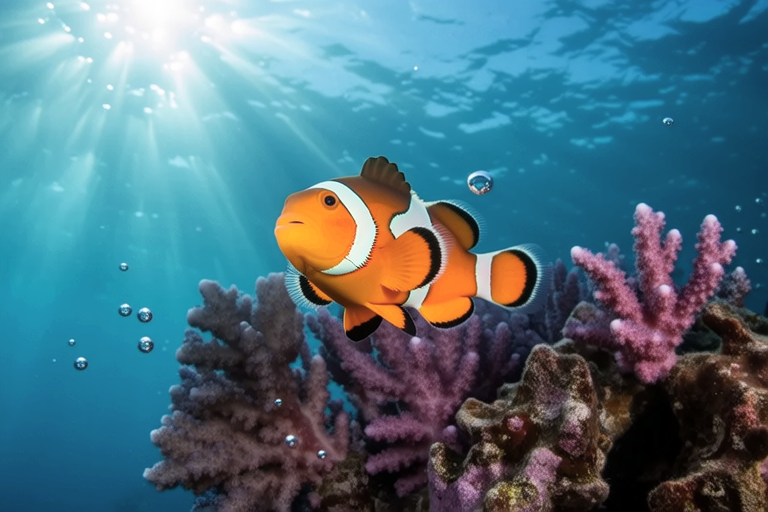
The Evolution of Clownfish in Pop Culture
Clownfish have captivated the hearts of many since their debut in the animated film Finding Nemo, starring Dory. This article explores the journey of these vibrant marine creatures from their initial introduction to becoming viral stars on social media. We will delve into how Finding Nemo transformed public perception and interest in clownfish, their subsequent appearances in various media, their role in educating about marine ecosystems, and the impact of these portrayals on marine conservation efforts and aquarium trends.
Introduction to Clownfish via Dory in Finding Nemo
In Finding Nemo, Dory, a forgetful blue tang, plays a pivotal role alongside Marlin, a clownfish father searching for his lost son. While Dory may not be a clownfish herself, her interactions with Marlin and Nemo introduce audiences to the clownfish species. The film’s portrayal of clownfish as charming, loyal, and protective has significantly influenced public perception. It highlights their relationship with sea anemones, a symbiotic partnership where clownfish find protection while providing nutrients to their host.
Before Finding Nemo, clownfish were relatively unknown outside scientific circles. The film brought them into the spotlight, sparking curiosity among viewers about these colorful fish. The movie’s success led to increased interest in marine life, prompting many to learn more about clownfish biology and behavior.
Subsequent Appearances in Media
Following Finding Nemo, clownfish continued to appear in various forms of media. A sequel, Finding Dory, further showcased the intelligence and emotional depth of marine animals, including clownfish. These films have contributed to raising awareness about oceanic issues, encouraging viewers to take action in protecting marine environments.
Other media outlets have also featured clownfish. Documentaries like Ocean Voyagers and The Blue Planet provide detailed insights into clownfish habitats, behaviors, and the challenges they face in the wild. Educational programs for children, such as The Magic School Bus Explores the Ocean, incorporate clownfish to engage young minds in learning about marine ecosystems.
Role in Education About Marine Ecosystems
Clownfish have become valuable tools in educating people about marine ecosystems. Their symbiotic relationship with sea anemones exemplifies mutualism, a type of interspecies interaction where both parties benefit. This relationship serves as an excellent example of how different species can coexist harmoniously within an ecosystem.
Educational materials often highlight the unique reproductive strategy of clownfish. Unlike most other fish, clownfish exhibit sequential hermaphroditism, meaning they change sex during their lifetime. Typically, the largest female in a group becomes dominant, and if she dies, the largest male transforms into a female. This biological fact adds another layer of intrigue to their portrayal in media.
Rise of Clownfish as Viral Stars on Social Platforms
The internet age has seen clownfish become viral stars on social media platforms. Videos showcasing their antics in home aquariums and underwater footage of clownfish in their natural habitats have garnered millions of views. Influencers and content creators frequently feature clownfish in their posts, sharing tips on keeping them healthy and happy in captivity.
One notable trend is the rise of clownfish-themed merchandise, including clothing, accessories, and decor items. This merchandise reflects the growing popularity of clownfish and supports the broader marine conservation movement by promoting awareness and engagement.
Impact on Marine Conservation Efforts and Aquarium Trends
The increased visibility of clownfish has positively impacted marine conservation efforts. Public interest in these creatures has translated into support for initiatives aimed at preserving coral reefs and protecting marine biodiversity. Many organizations now include clownfish in their educational campaigns, emphasizing the importance of maintaining healthy reef systems.
Aquarium trends have also been influenced by the popularity of clownfish. More hobbyists are interested in setting up saltwater tanks to house these fish. However, it is crucial to ensure ethical sourcing and proper care practices when keeping clownfish in captivity. Responsible aquarists prioritize obtaining fish from sustainable sources and creating suitable environments that mimic natural conditions.
Key Facts About Clownfish Biology Intertwined With Cultural Impacts
Clownfish belong to the family Pomacentridae, which includes damselfish. There are approximately 30 recognized species of clownfish, each displaying distinct color patterns and behaviors. They are native to tropical waters across the Indian and Pacific Oceans, inhabiting coral reefs where they form close bonds with specific species of sea anemones.
Understanding clownfish biology enriches our appreciation of their cultural significance. For instance, their ability to adapt to changing environmental conditions demonstrates resilience in the face of adversity. This trait resonates with audiences who see parallels between clownfish and human experiences.
Moreover, clownfish serve as ambassadors for marine conservation. By highlighting their unique characteristics and the threats they face, we can inspire action to protect marine ecosystems. This dual role underscores the importance of responsible stewardship over our planet’s oceans.
Conclusion
The evolution of clownfish in pop culture reflects a growing awareness and appreciation for marine life. From their introduction in Finding Nemo to their current status as viral stars on social media, clownfish have captured imaginations worldwide. Their portrayal in media has not only entertained but also educated audiences about marine ecosystems, inspiring conservation efforts and influencing aquarium trends.
As we continue to explore the wonders of the ocean, let us remember the lessons learned from clownfish. Their story reminds us of the interconnectedness of all living things and the responsibility we share in safeguarding our shared environment.
