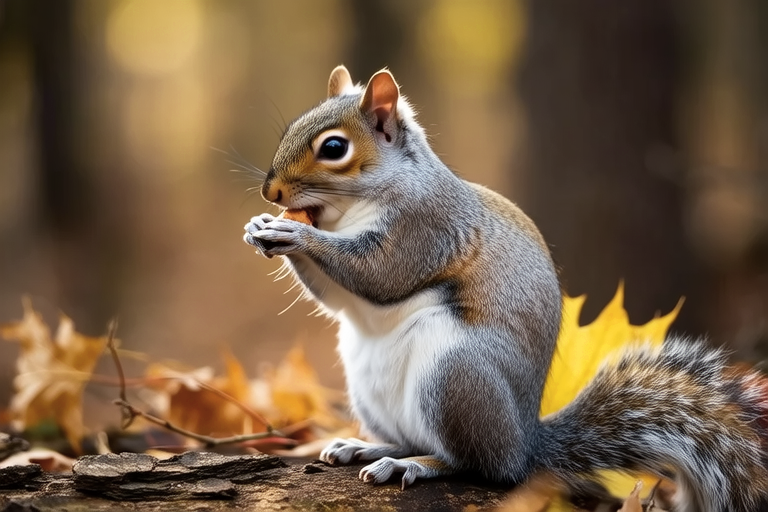
The Nutty Truth About Squirrels: 10 Fascinating Facts You Didn’t Know
When you think of squirrels, you might picture them scurrying around parks or darting up trees with acorns clutched tightly in their paws. While this image isn’t far from the truth, there’s so much more to these furry creatures than meets the eye. From their complex social lives to their incredible survival skills, squirrels have many secrets that are just waiting to be uncovered. In this article, we’ll dive into ten fascinating facts about squirrels that will make you see them in a whole new light.
1. Squirrels Have Remarkable Memory Skills
One of the most impressive traits of squirrels is their exceptional memory. These small mammals can remember the exact location of thousands of buried nuts and seeds. This ability is crucial for their survival, as it ensures they have enough food stored for harsh winter months. Studies have shown that squirrels can recall the locations of up to 9,000 hidden caches with remarkable accuracy. Their spatial memory is so precise that they can even remember which nuts they’ve already dug up, saving time and energy in their search for food.
2. They’re Not Just Acorn Lovers
While acorns are a favorite snack for many squirrels, their diet is much more diverse. Depending on the season and availability, squirrels will eat a wide variety of foods, including fruits, fungi, insects, and even bird eggs. In urban settings, squirrels have been known to raid gardens for vegetables and feast on fallen fruit. Some species, like the American red squirrel, have a particular fondness for mushrooms, which they can safely digest due to their unique digestive system. Understanding what squirrels eat can help homeowners and gardeners manage their presence more effectively.
3. Squirrels Can Hibernate
Contrary to popular belief, not all squirrels hibernate during the cold winter months. Instead, some species enter a state called “torpor,” where they lower their body temperature and metabolic rate to conserve energy. Ground squirrels are particularly adept at this, reducing their heart rate and breathing to survive long periods without eating. However, tree squirrels, like the eastern gray squirrel, remain active throughout the year. For those living in colder climates, providing supplemental feeding stations can help ensure squirrels have access to food during tough weather conditions.
4. They Communicate Through Tail Waving
Squirrels use their bushy tails not only for balance but also as a means of communication. When a squirrel waves its tail rapidly, it’s often signaling danger to other squirrels in the area. This behavior is especially common when predators, such as hawks or foxes, are nearby. The rapid tail movement serves as a warning signal, alerting other squirrels to potential threats. Observing this behavior can be a fun way for park visitors to interact with nature and learn about animal communication.
5. Squirrels Are Natural Problem Solvers
Studies have shown that squirrels possess impressive problem-solving skills. In one experiment, researchers placed a nut inside a clear tube and observed how long it took the squirrels to figure out how to retrieve it. Most squirrels quickly learned to bite through the plastic or manipulate the tube to get to their prize. This adaptability helps them survive in both natural and urban environments, where they must constantly find new ways to access food and avoid predators.
6. They Build Nests High Above the Ground
While many animals build nests on the ground, squirrels prefer to construct their homes high above the forest floor. Known as dreys, these nests are typically built in the forks of trees and are made from twigs, leaves, and moss. Female squirrels are particularly skilled at building sturdy, insulated nests to protect their young from harsh weather and predators. Watching a squirrel carry materials back and forth to build its nest can provide hours of entertainment for nature enthusiasts.
7. Squirrels Are Social Creatures
Despite their solitary nature when searching for food, squirrels are surprisingly social animals. They live in large groups called “scurries” and maintain complex social hierarchies within their communities. Within these groups, squirrels engage in grooming, play, and even share resources. This social structure helps them stay safe and thrive in their environment. Observing squirrel interactions can offer valuable insights into animal behavior and social dynamics.
8. They Can Swim Well
Although squirrels are primarily terrestrial animals, they are surprisingly good swimmers. Their strong limbs and fluffy tails help them paddle through water efficiently. In fact, some squirrels have been observed swimming across rivers and lakes to reach new areas. This ability comes in handy when fleeing predators or accessing food sources on the opposite side of a body of water. For those living near water bodies, it’s important to secure trash cans and compost bins to prevent squirrels from rummaging through them while swimming.
9. Squirrels Have Unique Teeth Structure
Squirrels’ teeth never stop growing throughout their lifetime. This continuous growth allows them to gnaw on hard objects like nuts, wood, and even metal without wearing down their teeth. Their front incisors are especially sharp, enabling them to crack open tough shells and cut through obstacles. This unique dental feature is essential for their survival and helps them maintain a steady food supply. However, it can also lead to problems if squirrels gnaw on electrical wires or wooden structures, causing property damage.
10. They Can Be Trained to Perform Tricks
Believe it or not, squirrels can be trained to perform simple tricks, much like dogs or cats. With patience and positive reinforcement, owners can teach their pet squirrels to fetch, sit, and even come when called. Training a squirrel requires a gentle touch and consistent practice, but the results can be rewarding for both the trainer and the squirrel. However, it’s important to note that keeping squirrels as pets is illegal in many places, and they are best left in their natural habitats.
In conclusion, squirrels are fascinating creatures with a wealth of interesting behaviors and characteristics. From their remarkable memory skills to their ability to swim, these animals continue to surprise and delight us. By learning more about squirrels, we can better appreciate their role in our ecosystems and take steps to coexist harmoniously with these delightful creatures. Whether you’re a nature lover or simply curious about wildlife, there’s always something new to discover about squirrels.
