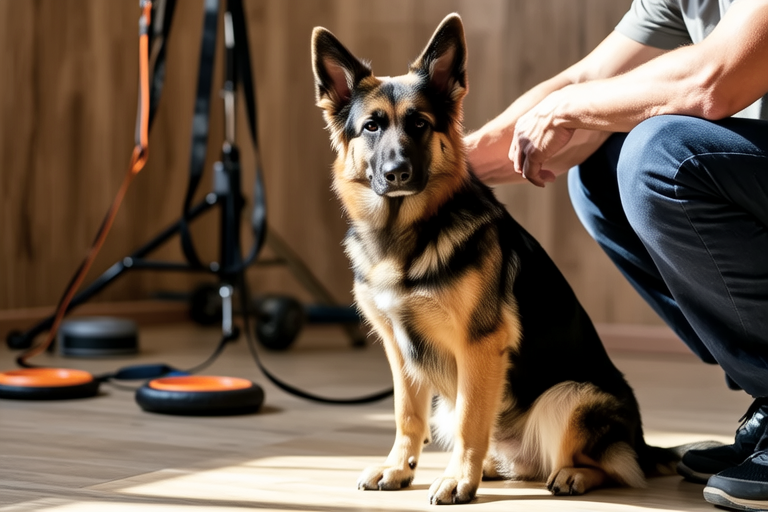
German Shepherd Training Tips: How to Raise an Obedient and Happy Pet
Welcome to our guide on how to raise an obedient and happy German Shepherd. Known for their intelligence and loyalty, German Shepherds are one of the most popular breeds in the world. They excel in various roles, from police work to family companions, thanks to their sharp minds and unwavering devotion.
The Intelligence and Loyalty of German Shepherds
German Shepherds are renowned for their exceptional intelligence. They rank among the top three smartest dog breeds, making them quick learners. This intelligence allows them to understand complex commands and tasks, which is why they are often chosen for roles such as police dogs or service animals. Their loyalty is another hallmark trait; they form deep bonds with their families and are protective of their loved ones.
Basic Commands for Your German Shepherd
Sit
To teach your German Shepherd to sit, start by holding a treat close to its nose. As the dog sniffs the treat, slowly move your hand upwards, causing its head to follow the treat and its bottom to lower into a sitting position. Once the dog sits, say ‘sit’ and give the treat along with praise. Repeat this process several times daily until the command is understood.
Stay
Teaching ‘stay’ involves building on the ‘sit’ command. After your dog has successfully sat, extend your arm out in front of them while saying ‘stay.’ Take a step back and observe if your dog remains in place. If they do, return immediately and reward them with a treat and praise. Gradually increase the distance and duration of the ‘stay’ command, always returning to reward and reinforce good behavior.
Come
The ‘come’ command is crucial for ensuring your dog’s safety. Begin by calling your dog’s name followed by ‘come,’ then use a treat to lure them towards you. When they reach you, reward them generously. Practice this in low-distraction environments initially, gradually moving to busier areas. Consistency and positive reinforcement are key to mastering this command.
Heel
Teaching your German Shepherd to heel involves walking alongside them with a leash. Encourage your dog to walk beside you, rewarding them when they maintain the correct position. If they stray, gently pull the leash to guide them back, using the ‘heel’ command as a prompt. Practice this regularly to ensure your dog understands the importance of staying close during walks.
The Importance of Socialization
Socialization is vital for raising a well-adjusted German Shepherd. Exposing your puppy to various people, animals, and environments helps them become confident and adaptable. Introduce your dog to different sights, sounds, and smells from an early age. Positive experiences during socialization can prevent future behavioral problems, such as fearfulness or aggression.
Establishing a Routine
A consistent routine provides structure and security for your German Shepherd. Establish a regular feeding schedule, offering high-quality dog food that meets their nutritional needs. Exercise is equally important; adult German Shepherds require at least 90 minutes of physical activity daily. Incorporate playtime into your routine, engaging in activities like fetch or tug-of-war to strengthen the bond between you and your pet.
Common Behavioral Issues and Solutions
Like all dogs, German Shepherds may exhibit certain behavioral issues. Barking excessively can be managed by identifying the trigger and addressing it. For example, if your dog barks at strangers, practice controlled exposure to visitors in a calm manner. Separation anxiety can be alleviated through gradual desensitization, leaving your dog alone for short periods and gradually increasing the time apart. Consistent training and positive reinforcement can help manage these behaviors effectively.
Maintaining a Strong Bond Through Positive Reinforcement
Positive reinforcement is essential for maintaining a strong bond with your German Shepherd. Reward good behavior with treats, praise, and affection. Avoid punishing your dog, as this can lead to fear and mistrust. Instead, focus on praising desired actions and redirecting unwanted behaviors. Consistent training methods and a loving approach will foster a lasting connection between you and your loyal companion.
In conclusion, raising an obedient and happy German Shepherd requires patience, dedication, and love. By understanding their intelligence and loyalty, teaching basic commands, prioritizing socialization, establishing a routine, addressing behavioral issues, and maintaining a strong bond through positive reinforcement, you can ensure your German Shepherd becomes a cherished member of your family. With proper care and training, your German Shepherd will thrive, bringing joy and protection to your home.
