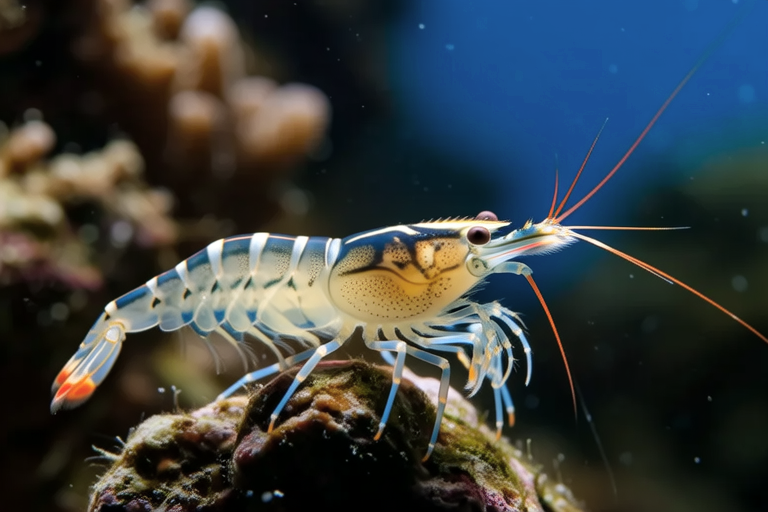
Coral Shrimp: Nature’s Tiny Clean-Up Crew in Your Tank
Welcome to the fascinating world of coral shrimp, one of nature’s smallest yet most efficient clean-up crews for your aquarium. These tiny crustaceans are not just beautiful additions to any marine or reef tank; they also play a crucial role in maintaining a healthy aquatic environment. In this article, we will explore the captivating world of coral shrimp, delving into their appearance, behavior, dietary habits, and the essential role they play in keeping your tank pristine.
Introduction to Coral Shrimp
Coral shrimp, scientifically known as Stenopus hispidus, are small, vibrant creatures that can add a splash of color and life to any aquarium. Native to the tropical waters of the Indo-Pacific region, these shrimp have adapted to live among coral reefs, where they play a vital role in the ecosystem. Their presence in home aquariums is not only aesthetically pleasing but also beneficial for maintaining a balanced aquatic environment.
The Appearance of Coral Shrimp
Coral shrimp are easily recognizable by their striking appearance. They typically grow to about 2 inches in length and come in a variety of colors, ranging from bright red to shades of orange and even yellow. Their bodies are adorned with spiky projections, which serve as a defense mechanism against predators. These spines are particularly noticeable along the carapace and the first few segments of the abdomen, adding to their unique charm. The eyes of coral shrimp are large and prominent, giving them excellent vision, which is crucial for navigating their complex underwater habitats.
Behavior and Dietary Habits
One of the most endearing aspects of coral shrimp is their active and curious behavior. They are often seen exploring their surroundings, searching for food and cleaning various surfaces within the tank. Coral shrimp are primarily nocturnal, meaning they are most active during the night, though they may occasionally venture out during the day. This behavior makes them ideal for aquarists who enjoy observing their tank inhabitants at different times of the day.
Diet-wise, coral shrimp are omnivores, feeding on algae, detritus, and small organisms. They play a significant role in keeping the tank clean by consuming uneaten food particles, dead organic matter, and harmful microorganisms. Their diet contributes to the overall health of the tank, reducing the risk of disease and improving water quality. Providing a varied diet, including algae wafers, frozen foods, and occasional live food, ensures that coral shrimp remain healthy and active.
Maintaining a Healthy Tank Environment
The primary function of coral shrimp in an aquarium is to act as natural clean-up crew members. By constantly scavenging and cleaning, they help maintain optimal water conditions, which is crucial for the well-being of other tank inhabitants. Their presence can reduce the frequency of water changes and the need for manual cleaning, making them an invaluable asset for any aquarist.
Additionally, coral shrimp contribute to the nitrogen cycle by breaking down waste products, thus preventing harmful ammonia and nitrite levels from accumulating. This not only supports the overall health of the tank but also promotes the growth of beneficial bacteria that are essential for maintaining a stable aquatic environment.
Setting Up a Suitable Habitat
To ensure that coral shrimp thrive in your aquarium, it is essential to create a suitable habitat that mimics their natural environment. Here are some tips for setting up the perfect home for your coral shrimp:
- Water Conditions: Coral shrimp prefer water temperatures between 72°F and 80°F, with a pH level ranging from 8.1 to 8.4. Maintaining stable water parameters is crucial for their health and longevity.
- Hiding Places: Provide ample hiding spots such as rocks, caves, and live rock structures. These shelters not only make the shrimp feel secure but also offer additional surface areas for them to clean.
- Compatible Tank Mates: Choose tank mates carefully to avoid aggressive interactions. Small fish like cardinal tetras, guppies, and dwarf gouramis are generally safe companions for coral shrimp. However, larger or more aggressive species should be avoided to prevent predation.
- Dietary Supplements: Supplement their diet with high-quality commercial foods and occasional live food to ensure they receive all necessary nutrients.
The Benefits of Having Coral Shrimp in Your Tank
Adding coral shrimp to your marine or reef tank setup offers numerous benefits. Firstly, their vibrant colors and active behavior make them a delightful addition to any aquarium, enhancing its visual appeal. Secondly, their cleaning abilities contribute significantly to maintaining a healthy and balanced aquatic environment. Lastly, coral shrimp are relatively easy to care for, making them an excellent choice for both novice and experienced aquarists.
In conclusion, coral shrimp are not only visually appealing but also functional in maintaining a healthy tank environment. Their unique appearance, active behavior, and dietary habits make them an indispensable part of any marine or reef tank. By providing them with the right habitat and care, you can ensure that these tiny clean-up crew members thrive and continue to benefit your aquarium for years to come.
