Adorable and Rare: All About the Hotot Rabbit
The Hotot rabbit is a breed known for its striking appearance and charming personality. This article delves into the history, physical traits, temperament, care requirements, and dietary needs of this rare breed, offering valuable insights for potential owners and animal enthusiasts alike.
A Brief History of the Hotot Rabbit
The Hotot rabbit, named after the town of Hotot-en-Auge in Normandy, France, was developed by Eugenie Bernhard between 1902 and 1920. Bernhard aimed to create a pure white rabbit with black eye rings, a goal she achieved by crossbreeding the Blanc de Hotot with other breeds. The breed was officially recognized in 1978 and is now considered rare, making it a sought-after pet for those interested in unique and beautiful animals.
Distinguishing Features of the Hotot Rabbit
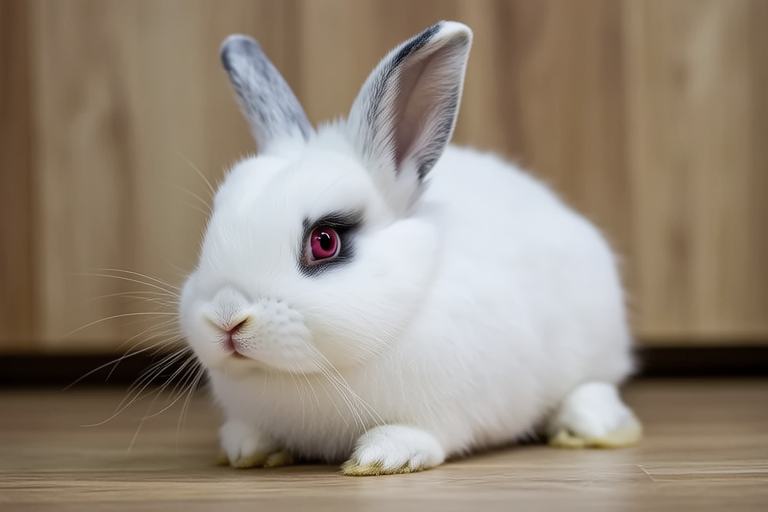
The Hotot rabbit is instantly recognizable due to its distinctive eye rings, which form perfect circles around its eyes. These rings can be either black or blue, depending on the variety. The rest of the rabbit’s fur is pure white, creating a striking contrast. The breed typically weighs between 4.5 and 5.5 pounds, making it medium-sized compared to other rabbit breeds.
In addition to their eye-catching appearance, Hotots have short, dense coats that require minimal grooming. Their compact bodies and strong legs allow them to move quickly and gracefully, while their expressive faces and alert ears make them appear always attentive and curious.
Temperament and Personality
Hotot rabbits are known for their gentle and affectionate nature, making them excellent companions for people who want a pet they can bond with. They are generally calm and patient, but also playful and curious, often displaying a mischievous side that can be endearing to their owners.
These rabbits enjoy interacting with humans and can be trained to come when called or even perform simple tricks. However, they thrive on routine and consistency, so it’s important to establish a regular schedule for feeding, playtime, and cuddling sessions. With proper socialization and handling, Hotot rabbits can become very attached to their owners and may even seek out their company when they’re feeling lonely or stressed.
Care Requirements
Providing the right living environment is crucial for the well-being of your Hotot rabbit. A spacious cage or enclosure is essential, as these rabbits need plenty of room to stretch their legs and engage in natural behaviors like hopping and digging. The cage should be at least twice the length of the rabbit when stretched out and provide enough space for a litter box, food dish, water bottle, and toys.
Regular cleaning of the cage is necessary to prevent the buildup of bacteria and odors. Additionally, providing your Hotot with daily exercise outside of its cage is important for its physical and mental health. Supervised playtime in a safe, rabbit-proofed area allows the rabbit to explore and burn off excess energy.
Dietary Needs
A balanced diet is key to maintaining the health and vitality of your Hotot rabbit. A good diet consists of high-quality hay, fresh vegetables, and a limited amount of pellets. Timothy hay is particularly beneficial for dental health, while leafy greens like romaine lettuce, parsley, and cilantro offer essential nutrients. Avoid feeding your rabbit iceberg lettuce, as it lacks nutritional value and can cause digestive issues.
Water should always be available and kept clean, as rabbits need to stay hydrated. Fresh fruits can be offered occasionally as treats, but they should not make up a significant portion of the diet due to their high sugar content. It’s important to introduce new foods gradually to avoid upsetting the rabbit’s delicate digestive system.
Rare Characteristics and Special Considerations
One of the most remarkable aspects of the Hotot rabbit is its rarity. Due to the difficulty of breeding true to type, finding a Hotot rabbit for sale can be challenging. This rarity adds to the breed’s appeal for those who appreciate unique and uncommon pets.
Another special characteristic of the Hotot is its relatively low fertility rate compared to other rabbit breeds. Female Hotots typically have smaller litters and may experience difficulties during pregnancy and birth. Prospective owners should be prepared to provide extra care and attention if they plan to breed their Hotot rabbits.
Why Hotot Rabbits Make Great Pets
For individuals looking for a small, affectionate companion, the Hotot rabbit is an ideal choice. Their gentle demeanor and desire for human interaction make them perfect for families or individuals seeking a low-maintenance pet that provides companionship. However, it’s important to note that Hotots are not recommended for children under the age of 10 due to their fragile nature and the potential for rough handling.
Those who enjoy spending time with their pets will find that Hotot rabbits are highly responsive to training and bonding activities. They are intelligent and can learn to recognize their names and respond to simple commands. Owners who are willing to invest time and effort into building a strong relationship with their Hotot rabbit will be rewarded with a loyal and loving companion.
Conclusion
The Hotot rabbit is a unique and captivating breed that combines beauty with charm. Its striking appearance, gentle temperament, and special care requirements make it a suitable pet for experienced rabbit owners or those who are prepared to provide the necessary attention and commitment. Whether you’re drawn to the breed’s distinctive eye rings or simply looking for a loving and interactive companion, the Hotot rabbit offers a rewarding pet ownership experience for those who appreciate the finer things in life.
