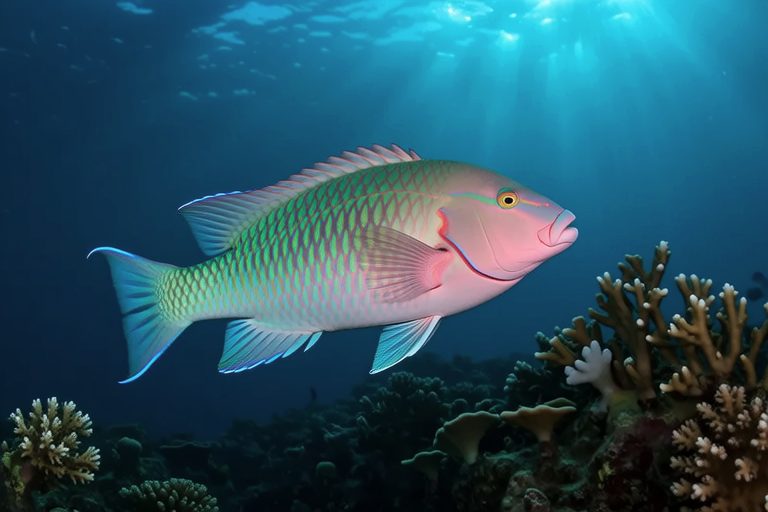
Discovering the Mysterious Lives of Parrot Fish in the Deep Blue
In the vast expanse of the ocean, where the deep blue meets the mysteries of the unknown, there exists a colorful and captivating inhabitant known as the parrot fish. These fish, with their striking hues and peculiar behaviors, are not only a visual treat but also play a crucial role in maintaining the health of coral reefs. Let us dive into the fascinating world of parrot fish, exploring their unique characteristics, their vital ecological roles, and the challenges they face in the modern world.
The Unique Characteristics and Vibrant Colors of Parrot Fish
Parrot fish are among the most visually stunning creatures found in tropical waters. Their bodies are adorned with a dazzling array of colors, ranging from electric blues and greens to vibrant pinks and yellows. These hues serve multiple purposes: they act as camouflage within the reef’s environment, attract mates, and ward off potential predators. The vividness of their coloration often depends on their age and sex, with juveniles and males displaying more intense colors than females and older individuals.
One of the most remarkable features of parrot fish is their beak-like mouth, which is perfectly adapted for their diet. This mouth, equipped with powerful jaw muscles and sharp teeth, allows them to scrape algae from the surfaces of rocks and coral. Their distinctive appearance, combined with their vibrant colors, makes them easily recognizable in the underwater world.
The Role of Parrot Fish in Coral Reef Ecosystems
Coral reefs are some of the most biodiverse ecosystems on the planet, and parrot fish play a critical role in their maintenance. By grazing on algae that can overgrow and smother corals, these fish help ensure the survival of the reef. Their feeding habits create space for new coral growth and maintain the delicate balance between algae and coral polyps.
Moreover, when parrot fish digest the algae, they excrete fine sand. This process is significant because it contributes to the formation of beaches and atolls. In fact, many of the white sandy beaches in the tropics owe their existence to the hard work of parrot fish. Without these diligent algae grazers, the health and beauty of coral reefs would be severely compromised.
Parrot Fish Sleeping Habits and Mucus Cocoon
Parrot fish have an intriguing habit that sets them apart from other marine creatures: they secrete a protective mucus cocoon before sleeping. This transparent, jelly-like substance acts as a barrier against predators and parasites. It is believed that the mucus also masks the fish’s scent, making it harder for nocturnal hunters to detect them.
The process of creating this cocoon is fascinating. Parrot fish produce the mucus by rubbing their scales together, creating a thick, protective layer around their body. Once the cocoon is formed, the fish settle down to rest, safe from harm. This unique behavior underscores the adaptability and intelligence of these creatures in ensuring their survival.
Feeding Patterns of Parrot Fish
The feeding habits of parrot fish are as fascinating as their other behaviors. Using their strong jaws and sharp teeth, they scrape algae from rocks and coral, leaving behind small grooves that help to stimulate coral growth. This feeding technique is highly efficient, allowing parrot fish to consume large quantities of algae daily.
Parrot fish are primarily herbivores, but their diet can vary depending on the availability of food. Some species may occasionally feed on small invertebrates or detritus. However, their primary focus remains on algae, which is abundant in their coral reef habitats. Their feeding patterns contribute significantly to the health and biodiversity of the reef ecosystem.
Threats to Parrot Fish and Conservation Efforts
Despite their importance to marine ecosystems, parrot fish face numerous threats in today’s world. Overfishing is one of the most pressing issues, as their vibrant colors make them popular targets for aquarium trade and commercial fishing. Habitat destruction, caused by pollution, coastal development, and climate change, further exacerbates the problem.
Conservation efforts are underway to protect these fascinating creatures. Marine protected areas (MPAs) are being established to provide safe havens for parrot fish and other marine life. These areas restrict fishing activities, allowing populations to recover and thrive. Additionally, awareness campaigns and sustainable fishing practices are being promoted to reduce the impact of human activities on marine ecosystems.
Education plays a crucial role in conservation efforts. By raising awareness about the importance of parrot fish and the threats they face, we can inspire action and support for their protection. Community-based initiatives, such as coral reef restoration projects and responsible tourism practices, also contribute to safeguarding these beautiful creatures.
In conclusion, parrot fish are not just colorful inhabitants of the deep blue; they are vital components of coral reef ecosystems. Their unique characteristics, intriguing behaviors, and essential roles in maintaining reef health make them fascinating subjects of study and admiration. As we continue to explore the mysteries of the ocean, let us remember the importance of protecting these incredible creatures and the ecosystems they call home.
