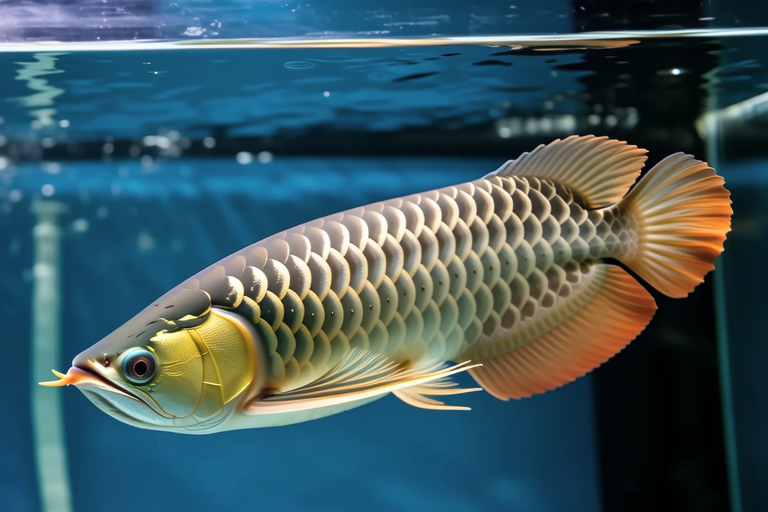
Arowana 101: Expert Tips for New Aquarists
Welcome to the fascinating world of arowanas! These majestic fish are not only a sight to behold but also a significant challenge for new aquarists. This comprehensive guide will walk you through the essential facts about arowana species, their care requirements, tank setup specifics, feeding guidelines, common health issues, and maintenance tips. By the end of this article, you’ll be well-equipped to take on the rewarding journey of keeping these beautiful creatures.
Understanding Arowana Species
Arowanas belong to the Osteoglossidae family and are native to the freshwaters of Asia, Africa, and South America. The most popular species among aquarists include the Asian Arowana (Scleropages formosus), African Arowana (Heterotis niloticus), and the Silver Arowana (Osteoglossum bicirrhosum). Each species has unique characteristics, but they share similar care requirements. The Asian Arowana is known for its vibrant colors and distinct scales, while the African and Silver Arowanas are more commonly found in the aquarium trade due to their availability and lower cost.
Care Requirements
When considering arowanas as pets, it’s crucial to understand that they require specific conditions to thrive. Arowanas are large, active fish that need ample space to swim freely. They are carnivorous and prefer live or high-quality frozen foods. Additionally, they are sensitive to water quality and temperature changes, making regular monitoring essential for their well-being.
Tank Setup Specifics
Size and Shape
The first step in setting up your arowana tank is choosing the right size and shape. Arowanas can grow quite large, so it’s important to provide them with plenty of swimming space. A minimum tank size of 180 gallons (680 liters) is recommended for young arowanas, but as they grow, you may need to upgrade to a larger tank. Opt for a long, rectangular tank to allow for horizontal swimming, which is essential for these active swimmers.
Water Conditions
Arowanas prefer slightly acidic to neutral water with a pH range of 6.5 to 7.5. Maintain a water hardness between 5 to 12 dGH and keep the temperature stable between 75°F to 82°F (24°C to 28°C). Regular water changes of 20% weekly are necessary to maintain optimal water quality. Use a high-quality filtration system to ensure efficient biological, mechanical, and chemical filtration.
Decorations and Hiding Spots
While arowanas are active swimmers, they also appreciate some hiding spots and decorations in their tank. Provide sturdy plants or driftwood to create a natural environment. Ensure that any decorations are securely anchored to prevent accidents. Avoid sharp objects or small items that could be ingested by the fish.
Feeding Guidelines
Arowanas are carnivorous and primarily feed on live prey in the wild. In captivity, they can be fed a variety of foods, including frozen or live foods like feeder fish, earthworms, and bloodworms. It’s essential to vary their diet to ensure proper nutrition. Feed your arowana two to three times a week, offering enough food for them to consume within five minutes. Overfeeding can lead to poor water quality and health issues.
Common Health Issues
Like all aquatic animals, arowanas can suffer from various health problems. Some common issues include fin rot, bacterial infections, and parasitic infestations. Regular observation and prompt treatment are key to maintaining your arowana’s health. Signs of illness may include lethargy, loss of appetite, abnormal swimming behavior, or visible sores or spots on the body. If you notice any of these symptoms, consult a veterinarian specializing in exotic fish for appropriate diagnosis and treatment.
Maintenance Tips
Regular Water Changes
Performing regular water changes is crucial for maintaining a healthy environment for your arowana. Aim for a 20% water change every week, ensuring that you use a high-quality water conditioner to remove harmful chemicals. Test your water regularly to monitor pH, ammonia, nitrite, and nitrate levels. Adjustments may be necessary to keep these parameters within the recommended range.
Filtration and Aeration
Invest in a robust filtration system that provides both mechanical and biological filtration. Arowanas produce a lot of waste, so an efficient filter is necessary to maintain water clarity and quality. Additionally, consider adding an air stone or powerhead to increase oxygen levels in the water. Good oxygenation is vital for the overall health of your arowana.
Monitoring Temperature and Lighting
Temperature fluctuations can stress arowanas, leading to health problems. Use a reliable heater and thermometer to maintain a consistent temperature. As for lighting, arowanas do not have specific light requirements, but providing a day-night cycle can help regulate their circadian rhythms. Use a timer to set a routine that mimics natural daylight hours.
Behavioral Considerations
Arowanas are known for their territorial behavior and may become aggressive towards other fish, especially those of similar size. When selecting tankmates, choose peaceful species that can coexist without becoming stressed or injured. Some suitable tankmates include large catfish, plecos, and certain cichlids. Always research the compatibility of potential tankmates before introducing them to your arowana’s habitat.
