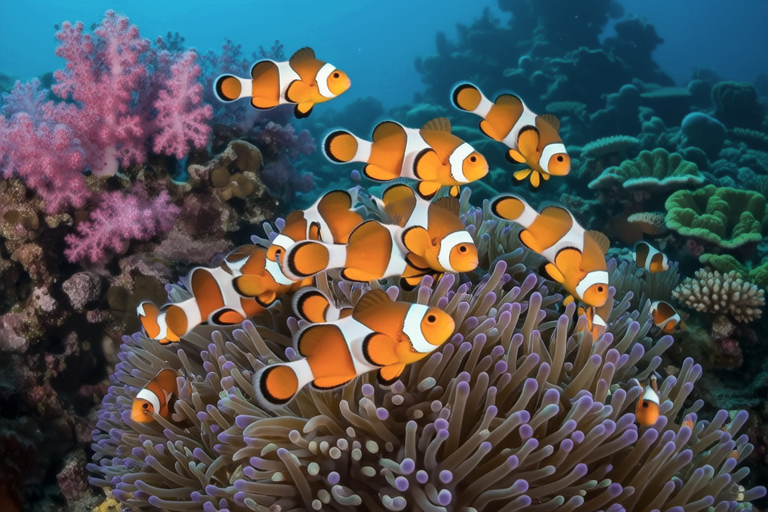
How to Create a Thriving Habitat for Your Clownfish at Home
Welcome to the fascinating world of marine aquaria! Creating a thriving habitat for your clownfish requires careful planning and attention to detail. This comprehensive guide will walk you through the essential steps, from selecting the right aquarium to maintaining optimal water conditions, ensuring that your clownfish live happily and healthily in their new home.
Selecting the Right Aquarium Size
The first step in creating a suitable habitat for your clownfish is choosing an appropriate aquarium size. A general rule of thumb is to provide at least 10 gallons of water per clownfish. However, larger tanks offer more stability and allow for better water quality management, which is crucial for the long-term health of your fish. An ideal starting point would be a 30-gallon tank, especially if you plan to add other fish or invertebrates.
Water Quality Maintenance
Maintaining pristine water quality is vital for the well-being of your clownfish. Regularly testing the water parameters and performing partial water changes are key practices. Use high-quality test kits to monitor ammonia, nitrite, nitrate, pH, and salinity levels. Aim for ammonia and nitrite levels of zero, nitrate levels below 20 ppm, a pH range between 8.1 and 8.4, and a specific gravity of 1.020 to 1.025.
Appropriate Temperature and pH Levels
Clownfish thrive in warm, slightly alkaline water. Maintain a temperature range of 76 to 82°F (24 to 28°C) and a pH level between 8.1 and 8.4. Investing in a reliable heater and a thermometer will help you keep these parameters stable. Additionally, consider using an aquarium chiller during warmer months to prevent overheating.
Suitable Filtration Systems
A robust filtration system is essential for removing waste and maintaining water clarity. Choose a filter with a flow rate of about 10 times the volume of your tank per hour. Sponge filters are particularly beneficial as they provide biological filtration and can be safely used around small fish like clownfish. Incorporate mechanical and chemical filtration as well to ensure clean, clear water.
Necessary Lighting Conditions
Proper lighting is crucial for both the well-being of your clownfish and any photosynthetic organisms in the tank. Clownfish prefer subdued lighting, so avoid overly bright setups. LED lights with adjustable intensity are ideal, allowing you to mimic natural day-night cycles. Aim for approximately 8 to 10 hours of light per day.
Beneficial Plant Species
Introducing live plants not only enhances the aesthetic appeal of your aquarium but also provides additional oxygen and shelter for your clownfish. Popular choices include java fern, java moss, and dwarf sagittaria. These plants are hardy and easy to care for, making them excellent additions to a clownfish tank.
Ideal Tank Mates
Choosing compatible tank mates is important to ensure a peaceful and harmonious environment. Clownfish generally coexist well with other peaceful species such as damsels, tangs, and wrasses. Avoid aggressive or territorial fish that might stress your clownfish. It’s also advisable to have a pair or a small group of clownfish to encourage natural behaviors.
Specific Dietary Requirements
Clownfish are omnivorous and require a balanced diet consisting of both meaty foods and vegetable matter. High-quality flake food, pellets, and frozen foods like brine shrimp, mysis shrimp, and bloodworms should form the basis of their diet. Supplement their meals with occasional treats of fresh vegetables like spinach or spirulina flakes. Feed your clownfish twice daily, offering only what they can consume within a few minutes to prevent overfeeding.
Step-by-Step Instructions
- Choose the Right Aquarium: Select a tank of adequate size, ideally starting with a 30-gallon setup.
- Set Up the Tank: Install a heater, thermometer, and filtration system. Place the tank in a low-traffic area away from direct sunlight and drafts.
- Establish Water Chemistry: Fill the tank with dechlorinated saltwater, ensuring proper salinity and pH levels.
- Introduce Beneficial Plants: Add live plants to enhance the tank’s aesthetics and provide hiding spots.
- Acclimate Your Clownfish: Gradually introduce your clownfish to the new environment by floating the bag in the tank for 15-20 minutes before releasing them.
- Maintain Water Quality: Test water parameters regularly and perform weekly water changes to maintain optimal conditions.
- Feed Your Fish: Provide a balanced diet of flake food, pellets, and occasional treats.
Practical Tips
- Ensure all equipment is functioning properly before introducing your fish.
- Monitor water parameters closely during the initial setup period.
- Gradually acclimate new fish to the tank to minimize stress.
- Regularly inspect your clownfish for signs of illness or distress.
- Provide ample hiding places and open swimming areas.
Common Challenges and Solutions
Beginners often face several challenges when setting up a clownfish habitat. Here are some common issues and their solutions:
- Ammonia Spikes: Overfeeding or insufficient filtration can lead to ammonia spikes. Address this by reducing feeding amounts and increasing filtration capacity.
- Poor Water Clarity: Insufficient filtration or overstocking can cause cloudy water. Improve water clarity by enhancing filtration and reducing the number of inhabitants.
- Fish Stress: Stress can manifest as lethargy, loss of color, or erratic behavior. Reduce stress by providing hiding spots and maintaining stable water conditions.
- Dietary Issues: Poor growth or health can result from an imbalanced diet. Ensure a varied diet including both meaty and vegetable-based foods.
Creating a thriving habitat for your clownfish requires dedication and attention to detail. By following these guidelines and addressing potential challenges proactively, you can ensure that your clownfish enjoy a healthy and vibrant life in their new home. Happy fishkeeping!
