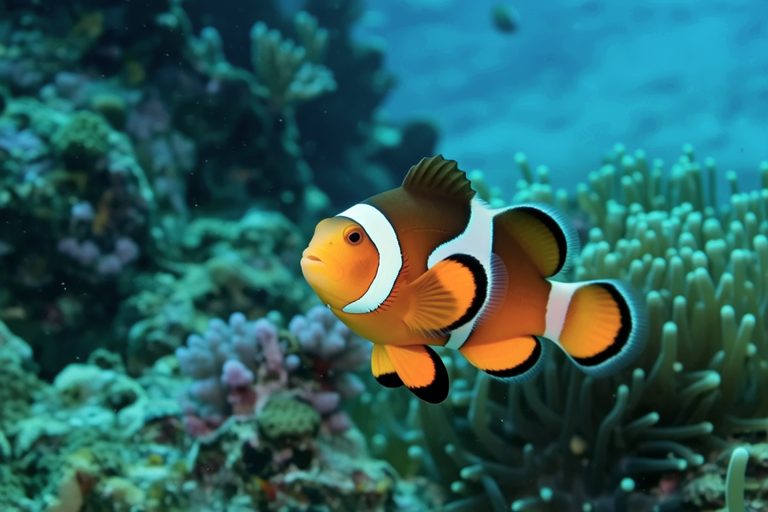
From the Coral Reefs to Your Tank: Everything You Need to Know About Clownfish
Introduction
Clownfish, also known as anemonefish, are one of the most popular and recognizable saltwater aquarium fish. These vibrant and playful creatures have captured the hearts of aquarists worldwide, thanks to their striking colors and fascinating behaviors. From their natural habitat in coral reefs to their symbiotic relationships with sea anemones, this article will provide you with all the information you need to understand and care for these delightful fish.
The Natural Habitat of Clownfish in Coral Reefs
Clownfish are native to the tropical waters of the Indian and Pacific Oceans, where they live in close association with sea anemones. They thrive in warm, shallow waters, typically found at depths of less than 12 meters (40 feet). Their natural habitats include coral reefs, which are bustling ecosystems teeming with life. These reefs offer protection, food sources, and breeding grounds for clownfish.
Coral reefs are often referred to as the ‘rainforests of the sea’ due to their incredible biodiversity. Clownfish play a crucial role in maintaining the balance of these ecosystems by controlling the population of certain small organisms and contributing to nutrient cycling.
Symbiotic Relationship with Sea Anemones
The relationship between clownfish and sea anemones is one of the most famous examples of mutualism in nature. The sea anemone provides protection for the clownfish, while the clownfish benefits the anemone through cleaning and attracting prey.
Sea anemones possess venomous tentacles that can paralyze small fish. However, clownfish have developed a protective mucus layer that allows them to swim among the anemone’s tentacles without getting stung. In return, clownfish help keep the anemone clean by removing debris and waste, and they attract smaller fish, which the anemone can then consume.
This unique relationship has made clownfish a favorite subject for marine biologists and aquarium enthusiasts alike.
Varieties of Clownfish Species
There are around 30 recognized species of clownfish, each with its own distinct appearance and behavior. Some of the most popular species among aquarists include the ocellaris clownfish (Amphiprion ocellaris), the percula clownfish (Amphiprion percula), and the tomato clownfish (Amphiprion frenatus).
The ocellaris clownfish is perhaps the most well-known, thanks to its starring role in the animated film “Finding Nemo.” It has three white stripes on its orange body and is relatively easy to care for. The percula clownfish looks very similar but has narrower stripes and a more rounded tail fin. Tomato clownfish are larger and more robust, with a bright red coloration.
Each species has slightly different care requirements, so it’s essential to research thoroughly before choosing a clownfish for your tank.
Dietary Requirements
Clownfish are omnivorous, meaning they eat both plant and animal matter. In the wild, their diet consists of algae, plankton, and small invertebrates like copepods and amphipods. As pets, clownfish should be fed a varied diet that includes high-quality flake foods, pellets, and occasional treats such as frozen or live brine shrimp.
It’s important to note that clownfish should not be overfed, as this can lead to obesity and other health issues. A good rule of thumb is to feed them twice a day, offering only as much food as they can consume within a few minutes.
Tank Setup Guidelines for Keeping Clownfish as Pets
Setting up a proper tank environment is crucial for the health and well-being of your clownfish. Here are some guidelines to ensure your tank is suitable:
- Tank Size: Clownfish require a minimum tank size of 20 gallons (75 liters) for a single pair. Larger tanks are preferable, especially if you plan to keep multiple clownfish or other tank mates.
- Water Parameters: Maintain a stable water temperature between 76°F and 82°F (24°C and 28°C), a pH level between 8.1 and 8.4, and a specific gravity of 1.020 to 1.025.
- Filtering and Circulation: Use a high-quality filter that provides both mechanical and biological filtration. Good water circulation is also essential, so consider adding powerheads or wavemakers to simulate natural ocean currents.
- Hiding Places and Decorations: Clownfish appreciate plenty of hiding spots and decorations to mimic their natural reef environment. Provide caves, rocks, and live rock for shelter and enrichment.
- Lighting: Clownfish are diurnal, meaning they are active during the day. Provide appropriate lighting to maintain a consistent day-night cycle, promoting healthy behavior and growth.
Common Health Issues
Like any pet, clownfish can face health issues if not properly cared for. Some common problems include:
- Ich: This parasitic infection causes small white spots on the fish’s body. Regular water changes and quarantine procedures can help prevent ich outbreaks.
- Bacterial Infections: Poor water quality can lead to bacterial infections, causing redness, swelling, or ulcers. Maintaining optimal water parameters is key to preventing these issues.
- Fungal Infections: Clownfish can develop fungal infections if injured or stressed. Symptoms include white patches on the body or fins. Proper tank conditions and prompt treatment are necessary for recovery.
Regular observation and maintenance of water quality are vital to ensuring the health of your clownfish.
Breeding Behaviors
Clownfish exhibit fascinating breeding behaviors, making them an interesting subject for aquarists interested in reproduction. Clownfish are sequential hermaphrodites, meaning they start life as males and can later become females if the dominant female in a group dies.
To breed clownfish, you’ll need a mature pair that has established a strong bond. Provide a suitable spawning site, such as a flat rock or PVC pipe, and ensure the water parameters are optimal for breeding. Once the eggs are fertilized, the male clownfish will guard and fan them until they hatch.
After hatching, clownfish larvae go through several stages before becoming free-swimming juveniles. Providing appropriate food and care during this delicate period is crucial for successful breeding.
Tips for Beginners
If you’re new to keeping clownfish, here are some tips to help you get started:
- Research: Before purchasing clownfish, take the time to learn about their specific needs and behaviors. Understanding their natural habitat and care requirements will set you up for success.
- Choose Healthy Fish: When selecting clownfish, look for vibrant coloration, clear eyes, and active swimming patterns. Avoid fish showing signs of illness or stress.
- Gradual Acclimation: To prevent shock, acclimate your clownfish slowly to their new tank by floating the bag in the tank water for 15-20 minutes before releasing them.
- Monitor Water Quality: Regularly test your water parameters and perform partial water changes to maintain optimal conditions for your clownfish.
- Provide Enrichment: Clownfish are curious and intelligent creatures that benefit from enrichment activities, such as hiding places, toys, and regular feeding times.
Conclusion
From their vibrant colors and playful personalities to their fascinating symbiotic relationships with sea anemones, clownfish are truly captivating creatures. Whether you’re a seasoned aquarist or just starting out, understanding the natural habitat, dietary requirements, and care needs of clownfish will help ensure their health and happiness in your tank. With proper research and attention to detail, you can enjoy the beauty and wonder of these remarkable fish for years to come.
