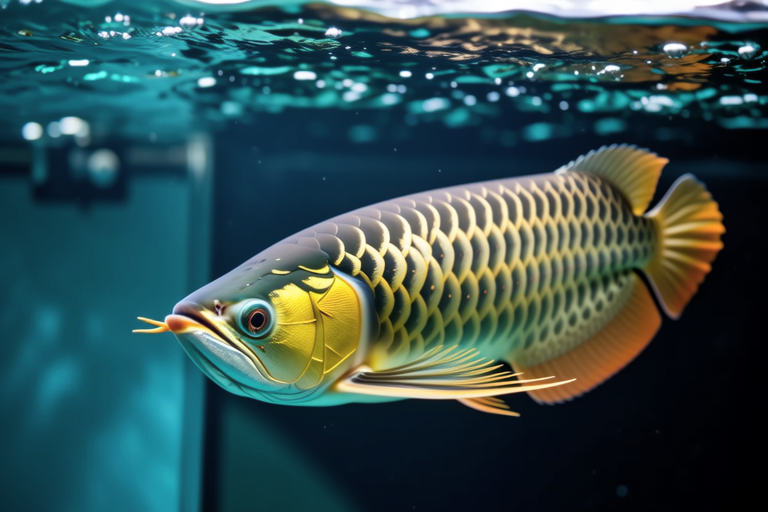
The Splendor of Scales: Showcasing the Stunning Arowana
In the realm of freshwater fish, few can match the exotic beauty and historical significance of the arowana. Known scientifically as Osteoglossidae, this family of bony-tongued fish has captivated the hearts of aquarists and collectors worldwide. The arowana’s allure lies not only in its striking appearance but also in its rich history and cultural importance. This article delves into the splendor of these magnificent creatures, exploring their physical attributes, cultural significance, habitats, diets, behaviors, and the challenges of keeping them as pets.
An Exotic Beauty with Rich History
The arowana is a true marvel of nature, with a lineage dating back over 200 million years. These prehistoric fish have survived numerous environmental changes and continue to enchant us with their ancient grace. In many parts of Asia, the arowana is revered for its mystical properties, often associated with good fortune and prosperity. Legends and myths surrounding the arowana have been passed down through generations, further adding to its mystique.
Physical Attributes: Mesmerizing Scales and Vibrant Colors
One cannot help but be awed by the arowana’s breathtaking appearance. Their elongated bodies are adorned with large, shimmering scales that catch the light like precious jewels. These scales are not merely ornamental; they serve a functional purpose, providing protection against predators and aiding in swimming efficiency. Depending on the species, arowanas exhibit a range of vivid colors, from deep metallic greens to iridescent blues and reds. The most prized specimens are those with intense, unbroken coloration, making them highly sought after in the aquarium trade.
Cultural Importance Across Different Regions
The arowana holds significant cultural importance, especially in Asian countries. In China, Malaysia, and Singapore, it is considered a symbol of good luck and wealth. Many believe that owning an arowana brings prosperity and wards off evil spirits. This belief is rooted in ancient Chinese philosophy, where certain animals are thought to possess auspicious qualities. As a result, arowanas are often gifted during important occasions, such as weddings or business openings, to bring good fortune to the recipients.
Habitat and Diet
Arowanas are native to the warm waters of Southeast Asia, South America, and Africa. They thrive in slow-moving rivers, swamps, and flooded forests, where the water is clear and rich in oxygen. These habitats provide ample cover and abundant food sources. Arowanas are carnivorous, feeding primarily on smaller fish, insects, and crustaceans. Their powerful jaws and sharp teeth enable them to seize and consume prey with remarkable speed and precision.
Unique Behaviors
What truly sets arowanas apart is their remarkable behavior. One of the most fascinating aspects of their nature is their ability to leap out of the water to catch flying insects. This behavior, known as “surface feeding,” showcases their agility and adaptability. Additionally, arowanas are known for their intelligence and curiosity. They often interact with their surroundings, sometimes even recognizing and responding to their keepers. This level of interaction makes them both intriguing and rewarding companions for aquarium enthusiasts.
Challenges of Keeping Arowanas as Pets
Despite their allure, arowanas are not suitable for every aquarium enthusiast. Their size, dietary requirements, and specific care needs pose significant challenges. Adult arowanas can reach lengths of up to three feet, requiring spacious tanks and proper filtration systems. Their carnivorous diet necessitates a varied selection of live or frozen foods, which can be costly and time-consuming to prepare. Moreover, some species of arowana are protected under international laws, making it illegal to trade or own them without proper permits.
The responsibility of caring for an arowana extends beyond providing adequate living conditions. Owners must also be prepared for the long-term commitment involved. These fish can live for several decades, making them lifelong companions. Ensuring their well-being requires ongoing attention to water quality, temperature, and nutrition. For those willing to take on the challenge, however, the rewards are immeasurable. Watching an arowana gracefully glide through the water, its scales glistening in the light, is a sight to behold and a testament to the enduring appeal of these magnificent creatures.
Conclusion
The arowana is more than just a beautiful fish; it is a symbol of history, culture, and natural wonder. From its mesmerizing scales to its unique behaviors, this ancient species continues to fascinate and inspire. Whether admired in the wild or cherished in captivity, the arowana remains a true gem of the aquatic world. For those who understand and respect its needs, keeping an arowana can be a rewarding experience, offering a glimpse into the splendor of nature’s enduring beauty.
