The Vibrant Coloration of Clownfish: A Dive into Biology and Evolution
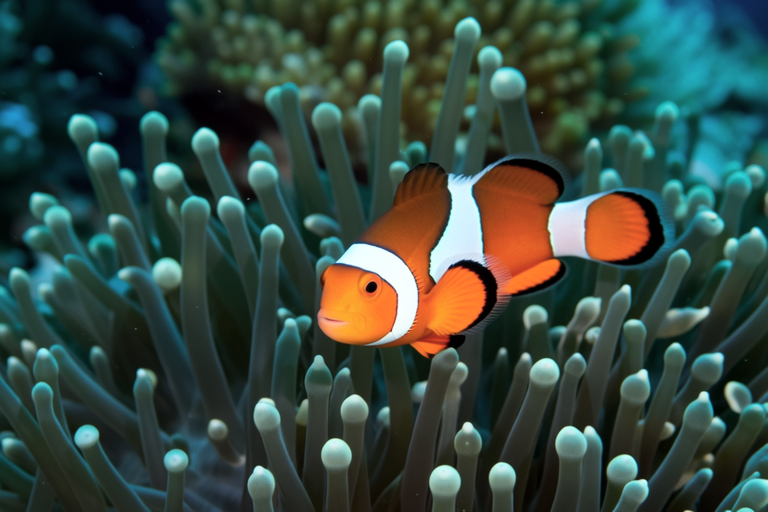
Clownfish, also known as anemonefish, are among the most recognizable marine creatures due to their striking and varied coloration. These fish are famous for their bright hues and bold stripes, which have captivated both scientists and casual observers alike. The vibrant coloration of clownfish is the result of complex biological processes involving pigments, genetics, and environmental factors. This article explores the scientific reasons behind the colorful appearance of clownfish, the evolutionary advantages they offer, and the role of environmental influences.
Pigments and Their Role in Coloration
The vivid colors of clownfish are primarily due to the presence of three types of pigments: melanin, carotenoids, and pteridines. Melanin is responsible for black and brown shades, while carotenoids produce red, orange, and yellow hues. Pteridines contribute to the production of yellow and brown pigments. These pigments are distributed across specialized cells called chromatophores, which can expand or contract depending on the needs of the fish.
The concentration and distribution of these pigments within chromatophores determine the overall coloration of each individual clownfish. For example, the iconic orange and white stripes of the Amphiprion percula, commonly known as the false clownfish, are created by a precise arrangement of these pigments. Similarly, the Amphiprion ocellaris, or the true clownfish, features similar but slightly more subdued coloration due to variations in pigment concentration.
Evolutionary Advantages of Coloration
The striking coloration of clownfish has evolved over millions of years, providing several evolutionary advantages. One primary benefit is camouflage. Despite their bright colors, clownfish can blend into their environment when viewed from certain angles or under specific lighting conditions. This adaptation helps them avoid predators while maintaining their close relationship with sea anemones, their hosts.
Another advantage is communication. Clownfish use their colors to signal dominance, reproductive status, and readiness to mate. Males, for instance, may display brighter colors to attract females or intimidate rivals. Studies have shown that female clownfish often prefer males with more intense coloration, suggesting that brighter colors may indicate better health or genetic fitness.
Recent research has also explored the possibility that clownfish colors serve as a warning sign to potential predators. The contrasting colors of clownfish may signal toxicity, even though they are not venomous themselves. This phenomenon, known as aposematism, could deter predators that have learned to associate such colors with harmful prey.
Environmental Factors Influencing Coloration
The coloration of clownfish is not solely determined by genetics; environmental factors play a significant role as well. For example, clownfish raised in captivity tend to exhibit less vibrant colors compared to their wild counterparts. This difference can be attributed to variations in diet, light exposure, and water quality.
Studies have shown that clownfish fed a diet rich in carotenoids, such as those found in algae and crustaceans, develop more intense red and orange hues. Similarly, increased exposure to sunlight can enhance the production of pteridines, leading to brighter yellow and brown pigments. Water quality, particularly pH levels and oxygen saturation, can also affect the health and coloration of clownfish.
Furthermore, the specific habitat of clownfish can influence their coloration. Clownfish living in shallow waters near coral reefs often display brighter colors, while those residing in deeper waters may have more subdued tones. This adaptation allows them to blend in with their surroundings, reducing the risk of predation.
Recent Studies and Theories on Clownfish Coloration
In recent years, scientists have conducted numerous studies to unravel the mysteries behind clownfish coloration. One notable study published in the journal Proceedings of the Royal Society B investigated the genetic basis of color variation in clownfish. Researchers identified several genes associated with pigment production and distribution, providing insights into the evolutionary history of clownfish coloration.
Another study examined the role of social interactions in shaping clownfish coloration. Scientists observed that dominant individuals within a group tended to have more vibrant colors, suggesting that social status may influence the expression of certain pigments. This finding supports the theory that clownfish colors serve as signals for communication and competition within their social structure.
Additionally, researchers have explored the potential benefits of color polymorphism in clownfish. Some species, like the Amphiprion frenatus, exhibit multiple color morphs within the same population. These variations may provide advantages in terms of camouflage, predator avoidance, and mate selection. Further investigation is needed to fully understand the mechanisms underlying this phenomenon.
Different Species and Their Unique Color Patterns
There are approximately 30 recognized species of clownfish, each displaying unique color patterns. The Amphiprion clarkii, or Clark’s anemonefish, is known for its dark brown body with white vertical stripes. In contrast, the Amphiprion perideraion, or pink skunk clownfish, features a single white stripe running along its back. The Amphiprion melanopus, or maroon clownfish, has a deep red body with white borders around its fins.
Each species has adapted its coloration to suit its particular ecological niche. For example, the Amphiprion bicinctus, or two-banded anemonefish, lives in areas with high levels of coral cover and exhibits a more cryptic coloration to blend in with its surroundings. On the other hand, the Amphiprion melanopus inhabits open reef areas where its bright red coloration serves as a warning signal to potential predators.
The diversity of clownfish coloration underscores the complexity of evolutionary processes and highlights the importance of studying these fascinating creatures. By understanding the factors that shape clownfish coloration, we can gain valuable insights into the broader field of marine biology and conservation.
The Impact of Habitat on Clownfish Coloring
The habitat of clownfish plays a crucial role in determining their coloration. Clownfish typically live in symbiotic relationships with sea anemones, which provide shelter and protection from predators. The specific type of anemone and the surrounding environment can influence the coloration of clownfish.
For instance, clownfish living in anemones with vibrant green or purple tentacles may develop more intense red or orange hues to stand out against their background. Conversely, clownfish residing in anemones with duller colors may have more subdued tones to blend in with their surroundings. This adaptation allows clownfish to maintain their close relationship with anemones while minimizing the risk of predation.
The water temperature and clarity of the habitat also affect clownfish coloration. Clownfish living in warmer waters with clearer visibility tend to have more vibrant colors, while those in cooler waters with murkier conditions may have more muted tones. This variation in coloration helps clownfish adapt to their specific environments and enhances their chances of survival.
Conclusion
The vibrant coloration of clownfish is the result of intricate biological processes involving pigments, genetics, and environmental factors. These colors serve multiple purposes, including camouflage, communication, and attracting mates. Recent studies have shed light on the genetic basis of color variation and the role of social interactions in shaping clownfish coloration. By understanding the factors that influence clownfish coloration, we can gain valuable insights into the broader field of marine biology and conservation.
The diversity of clownfish coloration highlights the complexity of evolutionary processes and underscores the importance of studying these fascinating creatures. As we continue to explore the mysteries behind clownfish coloration, we can deepen our appreciation for the beauty and diversity of marine life.
