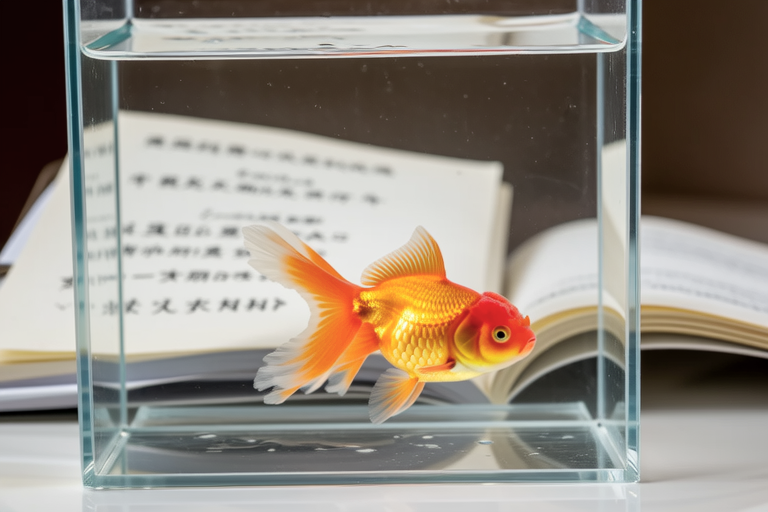
Debunking Common Myths About Goldfish
Introduction:
Goldfish are among the most popular pets in the world. Their vibrant colors, playful nature, and relatively low maintenance make them an attractive choice for both children and adults. Often seen in small bowls or tanks, goldfish have long been a symbol of easy-to-care-for pets. However, there are many misconceptions surrounding these delightful creatures that can lead to inadequate care and misunderstanding. This article aims to dispel some of the most common myths about goldfish, providing accurate information about their memory, living environment, diet, lifespan, and intelligence.
Myth 1: Goldfish Have a Three-Second Memory
The idea that goldfish have a three-second memory is one of the most persistent myths about these fish. In reality, goldfish possess a much longer memory than this, capable of remembering things for months. Studies have shown that they can recognize familiar objects and even recall the location of food sources after several weeks. This ability allows them to learn tasks and navigate their environment effectively. By providing mental stimulation through varied environments and regular feeding routines, you can enhance your goldfish’s cognitive abilities.
Myth 2: Goldfish Can Thrive in Small Bowls
Another widespread myth is that goldfish can live happily in small bowls. Unfortunately, this is far from the truth. Goldfish require ample space to swim freely and maintain good health. A single goldfish should ideally be kept in at least 20 gallons of water, with additional space for each additional fish. Small containers limit the fish’s movement and expose them to poor water quality due to reduced filtration capacity. To ensure your goldfish enjoys a healthy life, invest in an appropriately sized tank equipped with a reliable filtration system.
Myth 3: Goldfish Only Need Fish Food
Contrary to popular belief, goldfish need a balanced diet that includes more than just commercial fish food. While pellets and flakes provide essential nutrients, it’s beneficial to supplement their meals with fresh vegetables like zucchini, peas, and lettuce. These additions offer variety and additional vitamins necessary for optimal health. Additionally, occasional treats such as brine shrimp or bloodworms can be offered but should be given sparingly to avoid overfeeding. Proper nutrition supports growth, coloration, and overall well-being.
Myth 4: Goldfish Have Short Lifespans
Many people assume that goldfish don’t live very long. In actuality, goldfish can enjoy lifespans ranging from 10 to 30 years under ideal conditions. Factors influencing longevity include water quality, diet, and habitat size. Providing clean, well-maintained water along with a nutritious diet contributes significantly to extending their lives. Regular monitoring of water parameters and prompt action when issues arise help prevent premature death caused by neglect or disease.
Myth 5: Goldfish Are Dumb Creatures
Goldfish are often underestimated regarding their intelligence. They exhibit problem-solving skills and social behaviors indicative of higher cognitive functions. For instance, they can distinguish between different shapes and colors, respond to specific stimuli, and even show preferences based on past experiences. Engaging activities like hiding food around the tank encourage exploration and mental engagement, fostering a stimulating environment conducive to learning and development.
Tips for Responsible Goldfish Ownership
Now that we’ve cleared up some common misconceptions let’s explore ways to ensure our goldfish lead happy, healthy lives:
- Provide Adequate Space: As mentioned earlier, goldfish require sufficient room to thrive. Avoid keeping them in cramped spaces where they may experience stress or develop health problems.
- Maintain Clean Water: Regular water changes and proper filtration systems are crucial for maintaining good water quality. Test kits allow you to monitor pH levels, ammonia, nitrite, and nitrate concentrations, ensuring a safe aquatic environment.
- Feed Appropriately: Offer a diverse diet consisting mainly of high-quality commercial foods supplemented with occasional treats. Be cautious not to overfeed, as excess food leads to poor water conditions and obesity.
- Monitor Behavior: Pay attention to any changes in behavior or appearance, which might indicate illness or discomfort. Early detection and treatment improve recovery chances.
- Offer Mental Stimulation: Introduce toys or decorations that encourage exploration and interaction within the tank. Rotate items periodically to keep things interesting.
By following these guidelines, you’ll contribute positively towards creating a nurturing home for your goldfish. Remember, responsible pet ownership involves understanding and meeting the unique needs of each species, ensuring they receive the best possible care throughout their lifetime.
