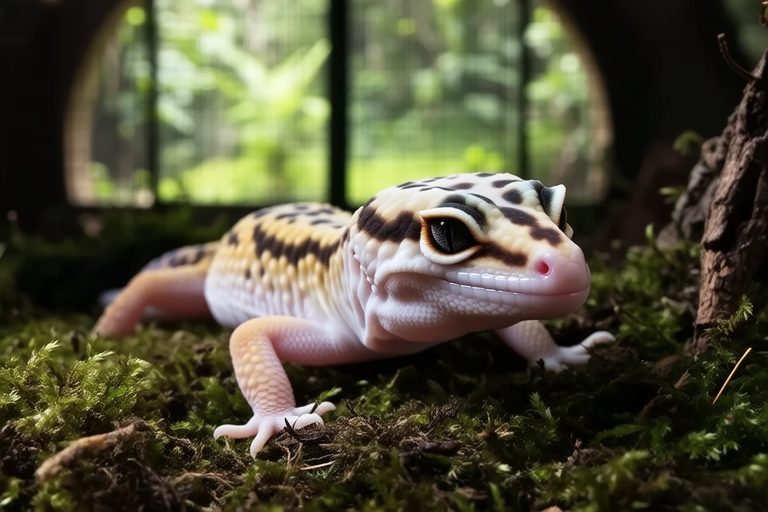
From Jungle to Cage: Tips for Transitioning a Wild Chameleon into a Domesticated Life
Chameleons are fascinating creatures, known for their ability to change color and their unique eyes that can move independently. These reptiles have specific needs that are crucial for their health and happiness, especially when transitioning from the wild to a domestic setting. Understanding their natural habitat and behaviors is essential for providing them with a suitable living environment.
The Natural Habitat and Behaviors of Chameleons
Native to the lush jungles of Africa, Madagascar, and parts of southern Europe, chameleons thrive in environments rich with vegetation and high humidity. Their natural habitats are characterized by dense foliage, which provides both shelter and food. Chameleons are solitary creatures by nature, preferring to live alone rather than in groups. They are arboreal, meaning they spend most of their time in trees, moving slowly and deliberately. Their diet primarily consists of insects, which they catch using their long, sticky tongues.
Preparing a Suitable Living Environment
Enclosure Setup
The first step in transitioning a wild chameleon into a domesticated life is creating a suitable enclosure. The enclosure should mimic the chameleon’s natural habitat as closely as possible. A vertical terrarium is ideal, as it allows for more climbing space. The size of the enclosure depends on the species of chameleon; larger species will require bigger enclosures. For example, a full-grown veiled chameleon should have at least a 40-gallon tank, while smaller species like the pygmy chameleon may be comfortable in a 10-gallon tank.
Temperature Regulation
Temperature is crucial for chameleons’ well-being. They are ectothermic, meaning they rely on external heat sources to regulate their body temperature. It’s important to provide a thermal gradient within the enclosure, allowing the chameleon to move between warmer and cooler areas. Use a combination of under-tank heating pads and overhead basking lamps to create this gradient. The warmest spot should reach around 90°F (32°C) during the day, while the cooler side can range from 70°F to 75°F (21°C to 24°C). Nighttime temperatures can drop slightly, but never below 65°F (18°C).
Lighting
Chameleons require UVB light to synthesize vitamin D3, which is essential for calcium absorption and bone health. Install a UVB lamp that covers approximately 70% of the enclosure. Replace the bulb every six months or according to the manufacturer’s recommendations. Additionally, provide a full-spectrum light source to simulate daylight. This helps maintain a regular day-night cycle and encourages natural behaviors. The lights should be on for 10 to 12 hours per day.
Humidity Control
High humidity is vital for chameleons, as it mimics their natural jungle environment. Maintain humidity levels between 50% and 70%. Achieve this by misting the enclosure twice daily and using a water drip system. Some owners also install humidifiers or foggers. Ensure proper ventilation to prevent stagnant air, which can lead to respiratory issues.
Dietary Needs
A nutritious diet is key to a chameleon’s health. In the wild, chameleons eat a variety of insects such as crickets, locusts, mealworms, and waxworms. It’s important to gut-load the insects before feeding them to your chameleon. Gut-loading involves feeding the insects a nutritious diet rich in vitamins and minerals. Dust the insects with a calcium supplement two to three times a week and a multivitamin once a week. Feed adult chameleons daily, offering a variety of insects to ensure a balanced diet.
Handling and Socialization
Chameleons are sensitive creatures and should be handled with care. Start by letting them acclimate to their new home for several weeks before attempting to handle them. When you do handle them, support their body fully and avoid squeezing or restraining them. Limit handling sessions to no more than 10 minutes per week, as excessive handling can cause stress.
Socializing your chameleon involves gradually introducing them to human presence. Sit quietly near their enclosure, allowing them to become accustomed to your presence. Over time, you can extend your visits and even offer treats, reinforcing positive associations. Remember, chameleons are solitary animals and do not require companionship from other chameleons.
Ethical Considerations and Legalities
Owning a wild chameleon comes with significant ethical responsibilities. Many species are threatened or endangered due to habitat destruction and illegal trade. Before acquiring a chameleon, research its conservation status and ensure that it was legally and ethically sourced. Buying from reputable breeders who practice sustainable breeding methods is preferable to purchasing wild-caught animals.
In addition to ethical considerations, there are legal implications to owning exotic pets. Laws vary by region, so it’s essential to familiarize yourself with local regulations. Some countries and states require permits or licenses to keep certain species. Violating these laws can result in hefty fines or confiscation of the animal.
Responsible pet care involves providing the best possible environment and care for your chameleon. Regular veterinary check-ups, proper nutrition, and attention to their environmental needs are all part of ensuring a happy and healthy life for your pet. By understanding and respecting their unique requirements, you can help your chameleon thrive in its new home.
Transitioning a wild chameleon into a domesticated life requires careful planning and dedication. By preparing a suitable living environment, providing a nutritious diet, and handling them with care, you can help your chameleon adjust comfortably to its new surroundings. Remember, the goal is to create a sanctuary that replicates the chameleon’s natural habitat as closely as possible, ensuring they live long, healthy lives.
