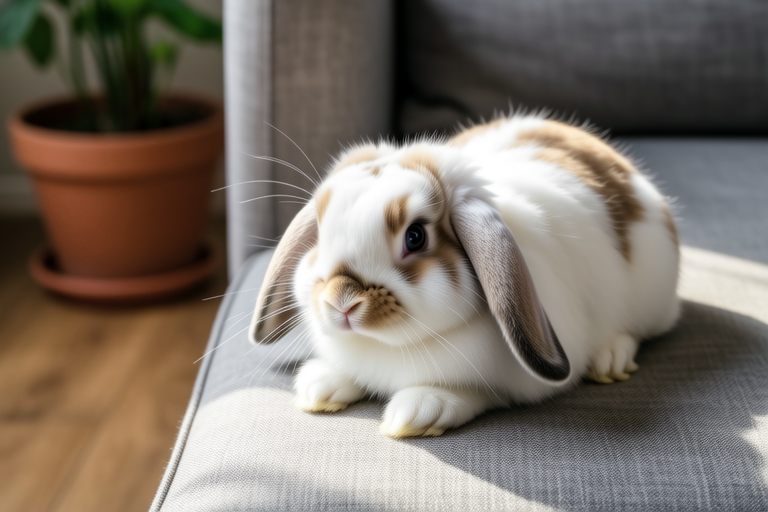
From Cage to Couch: Best Practices for Raising Dutch Dwarf Rabbits Indoors
Welcome to the world of raising Dutch Dwarf rabbits indoors! These small, charming creatures are delightful pets that can bring immense joy and companionship to your home. However, transitioning from a cage to a free-roaming indoor environment requires careful planning and attention to detail. This comprehensive guide will provide you with all the necessary information to ensure your Dutch Dwarf rabbit thrives in your home.
Suitable Housing Arrangements
Creating a safe and comfortable living space is crucial for your Dutch Dwarf rabbit’s well-being. Start by designating a specific area within your home as their primary habitat. This space should be spacious enough to allow them to move around freely but also cozy enough to feel secure. A large exercise pen or playpen can serve as an excellent enclosure, providing a contained yet expansive area for exploration.
Within this designated space, include various elements to enhance comfort and stimulation. Provide soft bedding such as hay or fleece blankets for resting areas. Incorporate tunnels, cardboard boxes, or wooden chew toys to offer mental and physical engagement. Additionally, consider adding a small hideaway, like a cozy basket or tent, where your rabbit can retreat when they need some alone time.
Essential Dietary Guidelines
Dutch Dwarf rabbits have specific dietary requirements to maintain optimal health. Their diet should primarily consist of high-quality timothy hay, which aids digestion and provides essential fiber. Fresh water should always be available, preferably in a sipper bottle designed for rabbits to prevent spills.
In addition to hay, offer a balanced mix of fresh vegetables daily. Leafy greens like romaine lettuce, kale, and spinach are excellent choices. Limit fruits to occasional treats due to their high sugar content. Commercial rabbit pellets formulated specifically for dwarf breeds can supplement their diet, but avoid overfeeding to prevent obesity.
Effective Litter Training Methods
Litter training your Dutch Dwarf rabbit is an essential aspect of indoor living. Begin by selecting a litter box with low sides, ensuring easy access for your small pet. Fill the box with rabbit-safe litter, such as paper-based products or recycled newspaper pellets. Place the litter box in a consistent location within their living space.
Encourage your rabbit to use the litter box by placing some hay or a favorite toy inside. Praise and reward them with treats when they successfully use the litter box. Consistency and positive reinforcement are key to successful litter training. Patience is also important, as it may take some time for your rabbit to fully adapt to this routine.
Exercise Needs
Dutch Dwarf rabbits are highly active and require ample opportunities for exercise. In addition to their enclosed living space, allocate supervised time outside of their habitat each day. This allows them to explore different areas of your home and engage in natural behaviors.
During these sessions, ensure the environment is rabbit-proofed to prevent accidents. Remove any potential hazards, such as electrical cords, toxic plants, or small objects that could be swallowed. Providing tunnels, ramps, and other interactive toys will further stimulate their physical activity and mental engagement.
Grooming Tips
Grooming is an integral part of maintaining your Dutch Dwarf rabbit’s health and appearance. Regular brushing helps remove loose fur, preventing hairballs and minimizing shedding. Use a soft-bristled brush or a slicker brush, depending on the thickness of their coat.
Bathing should be kept to a minimum, as rabbits are self-groomers and frequent baths can disrupt their natural oils. If necessary, spot clean areas with a damp cloth rather than submerging them entirely. Nail trimming is also essential to prevent overgrowth, which can cause discomfort or difficulty walking. Consult a veterinarian for proper nail trimming techniques if needed.
Mental Stimulation
To ensure your Dutch Dwarf rabbit remains mentally stimulated and engaged, provide a variety of toys and activities. Puzzle feeders, treat-dispensing balls, and interactive toys encourage problem-solving and exploration. Rotate toys periodically to maintain interest and prevent boredom.
Spending quality time with your rabbit through play and interaction is equally important. Engage in gentle games, such as hide-and-seek or tug-of-war, using appropriate toys. Socialization with family members and other pets (if compatible) can also contribute to their emotional well-being.
Common Health Issues and Preventive Measures
Like all animals, Dutch Dwarf rabbits are susceptible to certain health issues. Gastrointestinal stasis, a condition where food moves too slowly through the digestive tract, is a common concern. To prevent this, ensure a balanced diet rich in fiber, provide plenty of hay, and monitor your rabbit’s eating habits.
Respiratory infections can occur if the living environment is too dusty or poorly ventilated. Maintain good air quality by regularly cleaning their habitat and providing fresh air circulation. Dental problems are another prevalent issue, often caused by improper diet or genetics. Schedule regular veterinary check-ups to monitor dental health and address any concerns promptly.
Gradual Adaptation from Cage to Free-Roaming Indoors
Transitioning from a cage to a free-roaming indoor environment should be done gradually to minimize stress and ensure a smooth adjustment. Initially, introduce your rabbit to their new living space during supervised sessions. Gradually increase the duration of these sessions as they become more comfortable.
Monitor their behavior closely during this period, addressing any signs of anxiety or distress. Provide familiar items, such as their bedding or toys, to create a sense of continuity. Encourage positive associations with the new environment by offering treats and praise during exploration.
Safety Precautions
Ensuring the safety of your Dutch Dwarf rabbit is paramount. Secure all windows and doors to prevent accidental escapes. Use childproof latches on cabinets and drawers containing harmful substances. Cover electrical outlets and ensure all wires and cords are out of reach.
Keep household chemicals, plants, and medications stored safely away from your rabbit’s living area. Supervise interactions with children and other pets to prevent mishaps. Establish a routine for regular check-ups with a veterinarian to monitor overall health and address any concerns proactively.
By following these best practices, you can create a nurturing and stimulating environment for your Dutch Dwarf rabbit. With patience, love, and dedication, your small companion will thrive and bring endless joy to your home. Remember, every rabbit is unique, so tailor your approach based on their individual needs and preferences. Happy rabbit parenting!
