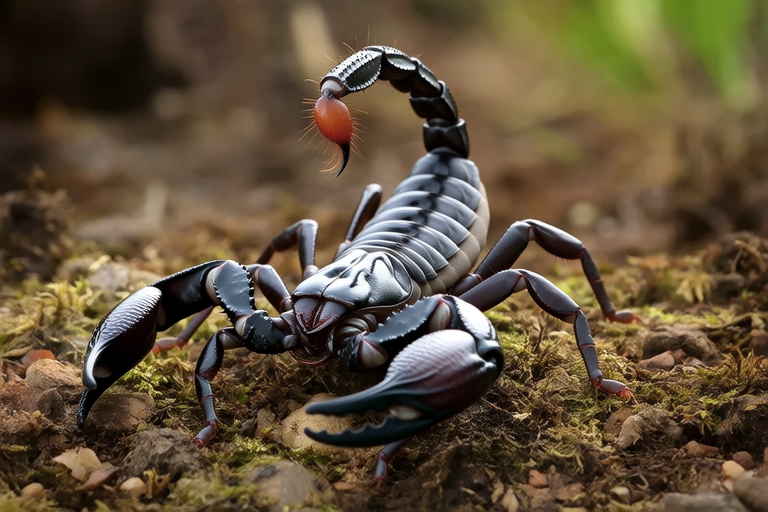
The Heterometrus Spinifer Scorpion: A Spiky Marvel of the Night
The Heterometrus spinifer scorpion, commonly known as the spiny forest scorpion, is a captivating arachnid that has long intrigued scientists and nature enthusiasts alike. This remarkable creature boasts a striking appearance, with its spiky exoskeleton and robust build making it a standout among other scorpion species. The Heterometrus spinifer is native to Southeast Asia, where it thrives in various habitats, from dense tropical forests to open grasslands. Its unique physical features and behaviors make it an essential part of the ecosystem, yet many misconceptions surround this fascinating species.
Distinguishing Features and Appearance
The Heterometrus spinifer scorpion’s most notable characteristic is its spiky exoskeleton, which gives it a menacing appearance. These spikes are not just for show; they serve several purposes, including protection against predators and aiding in climbing. The scorpion’s body is divided into three main sections: the prosoma, mesosoma, and metasoma. The prosoma houses the eyes, mouthparts, and pedipalps, while the mesosoma consists of seven segments and contains the respiratory organs. The metasoma, or tail, is equipped with a venomous stinger at its tip. The coloration of the Heterometrus spinifer ranges from dark brown to black, providing excellent camouflage in its natural habitat.
Habitat and Distribution
The Heterometrus spinifer scorpion is primarily found in Southeast Asian countries, including Thailand, Malaysia, Indonesia, and the Philippines. It inhabits a variety of environments, from humid rainforests to drier areas like open grasslands and rocky outcrops. These adaptable creatures can be found under rocks, logs, and other debris, where they seek shelter during the day and emerge at night to hunt. Their preference for humid conditions makes them well-suited to life in tropical regions, where they play a vital role in maintaining ecological balance.
Diet and Feeding Behavior
The Heterometrus spinifer scorpion is a carnivorous predator, feeding mainly on insects, spiders, and other small invertebrates. Its diet helps control pest populations, contributing to the overall health of its ecosystem. The scorpion’s hunting technique involves lying in wait for prey to come within reach, after which it seizes the victim with its powerful pedipalps and injects venom through its stinger. This venom paralyzes the prey, allowing the scorpion to consume it at leisure. While the venom is potent enough to subdue small animals, it is generally not lethal to humans.
Behavior and Social Structure
Unlike some scorpion species that live in groups, the Heterometrus spinifer is solitary and territorial. Each individual stakes out a territory and defends it against intruders, particularly during mating season. Males engage in elaborate courtship rituals involving complex movements and displays of strength. Once a male and female have mated, the female carries the eggs internally until they hatch. After hatching, the young scorpions remain close to their mother for several weeks before venturing off on their own.
Defensive Mechanisms
The Heterometrus spinifer scorpion possesses several defensive mechanisms to protect itself from potential threats. In addition to its spiky exoskeleton, it can also curl up into a tight ball, tucking its tail underneath its body to shield its vulnerable parts. If threatened further, it may raise its tail and sting its attacker, injecting venom to deter predators. However, the scorpion typically prefers to avoid confrontation and will flee if given the opportunity.
Interaction with the Environment
The Heterometrus spinifer plays a crucial role in its ecosystem by controlling insect populations and serving as a food source for larger predators. Its burrowing habits help aerate soil, promoting plant growth, and its nocturnal lifestyle contributes to the nighttime biodiversity of its habitat. Despite its importance, the Heterometrus spinifer faces numerous challenges, including habitat destruction, climate change, and human encroachment. Conservation efforts are essential to ensure the survival of this remarkable species.
Myths and Misconceptions
One common myth about scorpions, including the Heterometrus spinifer, is that all species are highly dangerous to humans. While it’s true that some scorpions possess venom capable of causing severe reactions, the Heterometrus spinifer‘s venom is relatively mild and rarely poses a significant threat to humans. Another misconception is that scorpions always glow under ultraviolet light. While many species do fluoresce, the intensity and visibility of this fluorescence can vary depending on factors such as age, diet, and environmental conditions. Understanding these myths is crucial for dispelling fear and fostering appreciation for these misunderstood creatures.
Conservation Efforts
Efforts to conserve the Heterometrus spinifer and its habitat are underway, with organizations working to protect critical ecosystems and raise awareness about the importance of preserving biodiversity. Initiatives include habitat restoration projects, public education campaigns, and research aimed at understanding the species’ biology and behavior. By supporting these conservation efforts, we can help ensure the continued existence of this fascinating arachnid and the ecosystems it calls home.
Safety Tips for Encountering the Heterometrus Spinifer Scorpion
If you’re lucky enough to encounter a Heterometrus spinifer scorpion in the wild, it’s essential to exercise caution and respect. Avoid disturbing the scorpion or attempting to handle it, as this could provoke a defensive response. Instead, observe from a safe distance and enjoy the opportunity to witness this incredible creature in its natural habitat. Should you accidentally step on a scorpion or provoke it, seek medical attention immediately, especially if you experience symptoms such as pain, swelling, or difficulty breathing. Remember, the Heterometrus spinifer is a vital part of its ecosystem, and responsible interactions contribute to its conservation.
