How Parrot Fish Are Shaping Our Coral Reefs – A Vital Role Revealed
Welcome to an exploration of one of the ocean’s most fascinating creatures: the parrot fish. These vibrant, colorful fish play a crucial role in the health and maintenance of coral reefs around the world. This article will delve into the unique eating habits of parrot fish, their digestive processes, and the symbiotic relationship they share with coral reefs. We’ll also discuss the threats facing parrot fish populations and what can be done to protect them for the future.
Introduction to Parrot Fish and Their Habitats
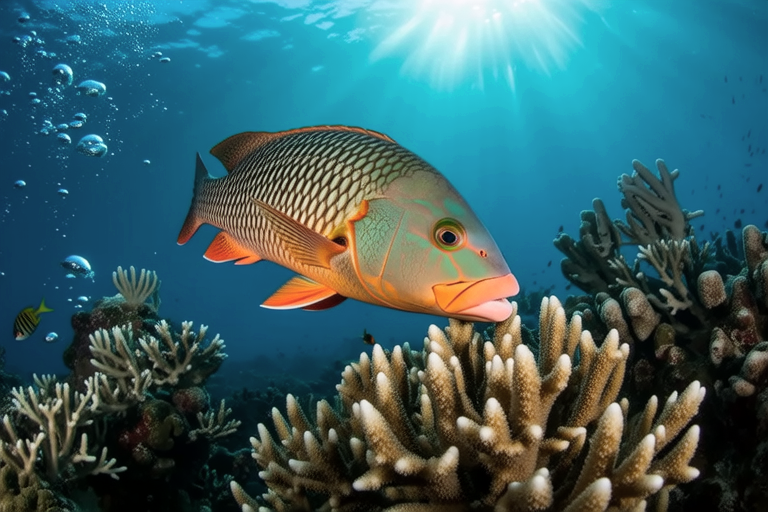
Parrot fish are members of the family Scaridae, comprising approximately 90 species. They are found in tropical and subtropical waters, primarily inhabiting coral reefs, seagrass beds, and rocky shores. With their distinctively large, beak-like mouths, these fish are easily recognizable. Their vibrant colors range from electric blues and greens to fiery reds and oranges, making them a popular subject for underwater photography.
Parrot fish are essential inhabitants of coral reefs, which are some of the most diverse ecosystems on Earth. Coral reefs provide shelter, food, and breeding grounds for countless marine species, including fish, invertebrates, and algae. The complex structure of coral reefs supports a wide array of life forms, creating a delicate balance that is easily disrupted by changes in the environment.
The Unique Eating Habits of Parrot Fish
One of the most intriguing aspects of parrot fish is their diet. Unlike many other fish, parrot fish are herbivores that primarily feed on algae growing on coral reefs. Using their strong, beak-like jaws, they scrape off layers of coral polyps and algae, consuming the algae and leaving behind the coral skeleton. This feeding behavior, known as bioerosion, plays a vital role in shaping the physical structure of coral reefs.
Interestingly, parrot fish are not only important for maintaining the balance of algae on coral reefs but also contribute to the recycling of calcium carbonate, the primary component of coral skeletons. By breaking down dead coral, parrot fish facilitate the continuous growth and regeneration of coral reefs.
The Digestive Process and Its Impact on Reef Health
Once ingested, the coral and algae pass through the parrot fish’s digestive system. The fish’s stomach contains specialized enzymes that break down the organic matter, leaving behind the indigestible calcium carbonate. This material is then expelled through the fish’s gills, forming fine particles of sand. This process, known as biogenic sediment production, is crucial for maintaining the health and resilience of coral reefs.
According to a study published in the journal Coral Reefs, parrot fish can produce up to 80% of the sand on some Caribbean reefs. This sand not only helps to buffer wave energy and protect coastal areas from erosion but also provides a substrate for new coral growth. By continuously recycling calcium carbonate, parrot fish ensure the long-term survival of coral reefs.
The Symbiotic Relationship Between Parrot Fish and Coral Reefs
The relationship between parrot fish and coral reefs is mutually beneficial. Parrot fish rely on coral reefs for shelter and food, while coral reefs depend on parrot fish for their continued existence. The presence of parrot fish helps to control algal growth, preventing it from overwhelming the reef and smothering corals. By maintaining a healthy balance of algae, parrot fish allow corals to thrive, supporting the entire ecosystem.
In addition to their direct impact on coral health, parrot fish also contribute to the biodiversity of coral reefs. By grazing on algae, they create open spaces where other organisms can settle and grow. This diversity is essential for the resilience of coral reefs, enabling them to recover from disturbances such as storms, disease outbreaks, or climate change.
Threats to Parrot Fish Populations and Their Effects on Coral Reefs
Despite their critical role in maintaining coral reef health, parrot fish populations are under threat from various factors. Overfishing is a significant concern, particularly in regions where parrot fish are targeted for their meat or used as bait. Habitat destruction, pollution, and climate change also pose serious risks to parrot fish and the coral reefs they inhabit.
A decline in parrot fish populations can have devastating consequences for coral reefs. Without the constant recycling of calcium carbonate, reefs may become more vulnerable to erosion and degradation. Additionally, the loss of parrot fish could lead to an overgrowth of algae, further reducing the space available for coral growth. This cascading effect could result in the collapse of entire reef ecosystems, with severe implications for marine biodiversity and coastal communities.
Conservation Efforts and the Importance of Protecting Parrot Fish
To address the threats facing parrot fish and coral reefs, numerous conservation efforts are underway. Marine protected areas (MPAs) are being established to safeguard critical habitats and reduce fishing pressure. These protected zones provide safe havens for parrot fish and other marine species, allowing populations to recover and thrive.
Education and awareness campaigns are also essential components of conservation efforts. By raising public awareness about the importance of parrot fish and coral reefs, we can encourage responsible behaviors such as sustainable fishing practices and reduced pollution. Collaboration between scientists, policymakers, and local communities is vital for developing effective strategies to protect these vital ecosystems.
Preserving parrot fish populations is crucial for the future of coral reefs. By ensuring the survival of these remarkable creatures, we can help maintain the health and resilience of coral reefs, supporting the countless species that depend on them. Through our actions today, we can secure a brighter future for these beautiful and essential ecosystems.
For further reading, consider exploring studies published in peer-reviewed journals such as Nature Communications and Proceedings of the Royal Society B. These resources provide valuable insights into the complex interactions between parrot fish and coral reefs, offering a deeper understanding of the challenges and opportunities for conservation.
