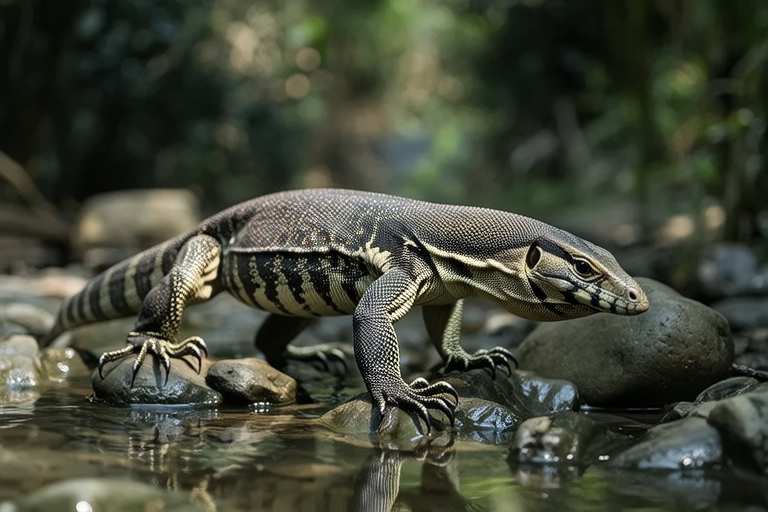
Exploring the Mighty Water Monitor: Myths, Facts, and Fascination
The water monitor (Varanus salvator) is one of the largest lizards in the world, known for its impressive size and remarkable adaptability. Often misunderstood, this creature has been the subject of numerous myths and misconceptions. This article aims to shed light on the truth behind these myths, providing an insightful look at the water monitor’s habitat, diet, behavior, and physical characteristics. We will also explore the unique adaptations that make it a fascinating subject for both locals and wildlife enthusiasts.
Debunking Common Myths About Water Monitors
One of the most persistent myths surrounding water monitors is that they are aggressive predators of humans. While it is true that water monitors are powerful and capable hunters, they generally avoid human interaction. Their primary prey consists of fish, crabs, birds, and small mammals. The idea that they actively seek out human encounters is largely unfounded. Another misconception is that they are venomous. Although water monitors have sharp teeth and strong jaws, they are not venomous. Their bite can be painful due to their powerful jaw muscles, but it does not deliver venom.
Another myth is that they are dangerous to livestock. While it is true that water monitors may prey on small livestock, they are not a significant threat to larger animals. In many cases, the presence of water monitors can actually benefit farmers by controlling pest populations. For instance, they help control rodent populations, which can be a significant agricultural pest.
Habitat and Distribution
Water monitors are found across Southeast Asia, ranging from India to Indonesia, including parts of China and the Philippines. They thrive in various habitats, including mangrove swamps, riverbanks, and coastal areas. Their ability to adapt to different environments makes them highly successful in their natural range. These lizards are excellent swimmers, spending much of their time in or near water, hence their name. They are equally comfortable on land, where they can be seen basking in the sun or foraging for food.
Diet and Feeding Habits
Water monitors are opportunistic feeders, meaning they eat whatever is available. Their diet primarily consists of fish, crabs, insects, birds, and small mammals. They are also known to scavenge, feeding on carrion when necessary. Their strong jaws and sharp teeth allow them to tackle a wide variety of prey, making them formidable hunters. Despite their size, water monitors can also consume smaller prey items like insects, which helps them maintain a balanced diet.
Behavior and Physical Characteristics
Water monitors are large lizards, with males typically reaching lengths of up to 3 meters. They have long, muscular bodies, powerful limbs, and a long tail that aids in swimming. Their scales are rough and provide protection against predators. The coloration of water monitors varies depending on their location and age, often blending in with their surroundings to provide camouflage. They are diurnal, meaning they are active during the day, and spend much of their time searching for food or basking in the sun.
Water monitors are known for their intelligence and problem-solving abilities. They have been observed using tools, such as sticks, to dig for food. This level of cognitive ability is rare among reptiles and underscores the complexity of their behavior. Their social structure is also intriguing; while they are generally solitary, they can be seen in groups during certain times of the year, particularly during mating season.
Unique Adaptations
One of the most fascinating aspects of water monitors is their unique adaptations that enable them to thrive in their environment. Their webbed feet and powerful tails make them excellent swimmers, allowing them to move swiftly through water and catch fish. Their keen sense of smell helps them locate prey, even underwater. Water monitors can hold their breath for extended periods, sometimes staying submerged for up to 30 minutes. This adaptation allows them to ambush prey or escape from danger.
Water monitors also possess a specialized organ called the Jacobson’s organ, located in the roof of their mouth. This organ helps them detect chemical signals in the air, which is crucial for finding prey and mates. Additionally, their ability to change color provides them with an additional layer of protection. By altering their skin pigmentation, water monitors can blend into their surroundings, making it easier for them to avoid predators and catch prey.
Role in Ecosystems
Water monitors play a vital role in maintaining the balance of their ecosystems. As apex predators, they help control the populations of other species, preventing overpopulation and ensuring a healthy distribution of resources. Their scavenging behavior also plays a crucial role in nutrient cycling, as they break down dead organisms and return nutrients to the soil. This contributes to the overall health of the ecosystem, supporting plant growth and biodiversity.
In addition to their ecological role, water monitors also serve as indicators of environmental health. Their presence in an area can signal that the ecosystem is functioning properly. Conversely, a decline in water monitor populations could indicate environmental stressors such as pollution or habitat destruction. Monitoring water monitor populations can provide valuable insights into the overall health of an ecosystem.
Fascination for Locals and Wildlife Enthusiasts
Despite their fearsome reputation, water monitors are subjects of fascination for both locals and wildlife enthusiasts. Their size, strength, and adaptability make them captivating subjects for observation and study. Many people are drawn to the water monitor’s intelligence and problem-solving abilities, which set it apart from other reptiles. The opportunity to witness these creatures in their natural habitat is a thrilling experience for many visitors to Southeast Asia.
Conservation efforts are also gaining momentum, as awareness grows about the importance of protecting water monitors and their ecosystems. Local communities are increasingly recognizing the benefits of having water monitors in their environment, including pest control and nutrient cycling. Efforts to conserve water monitor populations include habitat restoration, anti-poaching measures, and public education campaigns. These initiatives aim to ensure the continued survival of this remarkable species.
