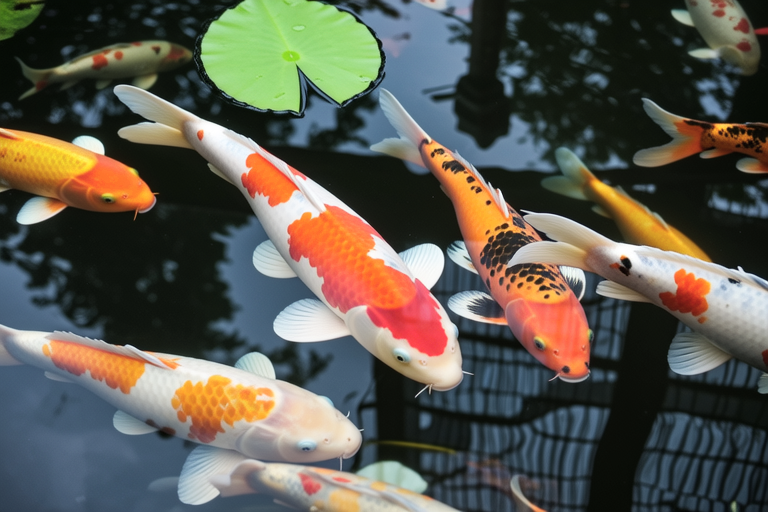
Exploring the Fascinating World of Koi: Myths, Facts, and Care Tips
Welcome to the captivating world of koi fish! These vibrant, colorful creatures have captivated the hearts of aquarium enthusiasts and pond owners for centuries. From ancient Japanese culture to modern-day gardens, koi have left an indelible mark on human history. In this article, we will delve into the myths surrounding these beautiful fish, uncover fascinating facts about their origins, varieties, and symbolism, and provide comprehensive care tips for those interested in keeping them. By the end, you’ll have a deeper understanding of why koi are such beloved pets and how they can enhance any garden pond.
Debunking Common Myths About Koi Fish
Koi fish are often surrounded by misconceptions that can deter potential owners or lead to misunderstandings about their care. Let’s dispel some of the most prevalent myths:
- Myth 1: Koi Fish Only Live for a Few Years
Contrary to popular belief, koi can live up to 40 years or more under optimal conditions. Proper care, including a balanced diet and clean water, plays a crucial role in extending their lifespan. - Myth 2: Koi Fish Are Difficult to Maintain
While koi do require regular maintenance, they are no more challenging than other large aquatic species like goldfish. With the right setup and routine care, koi can thrive in your pond. - Myth 3: Koi Fish Will Outgrow Any Pond
Although koi can grow quite large, they do not necessarily outgrow all ponds. Providing ample space and ensuring the pond is deep enough (at least 6 feet) will accommodate even the largest koi.
Facts About Koi Origins, Varieties, and Symbolism
Origins: Koi fish originated from the common carp (Cyprinus carpio) native to East Asia. They were first bred in Japan during the 1820s for their ornamental value. Over time, selective breeding has produced numerous varieties distinguished by their unique patterns and colors.
Varieties: There are over 100 recognized koi varieties, each with its distinct appearance. Some popular types include:
- Shibutaki: Known for their white base color with red and black spots.
- Tancho: Characterized by a red spot on their head resembling the Japanese flag.
- Sanke: Features a white base with red and black markings.
Symbolism: Koi are deeply symbolic in many cultures. In Japan, they represent good fortune, perseverance, and strength due to their ability to swim upstream against strong currents. They also symbolize love and marriage in Chinese culture, making them popular gifts during weddings.
Detailed Care Tips for Koi Fish
Diet
A well-balanced diet is essential for maintaining healthy koi. Their diet should consist of high-quality pellets designed specifically for koi, which provide necessary nutrients such as protein, vitamins, and minerals. Supplemental feeding can include vegetables like peas, lettuce, and algae wafers. Feed your koi only what they can consume within five minutes to prevent overfeeding and subsequent water pollution.
Habitat Setup
To create an ideal environment for your koi, consider the following factors when setting up their pond:
- Size: The pond should be at least 1,000 gallons for two koi, increasing by approximately 500 gallons per additional fish.
- Depth: Ensure the pond is deep enough to allow koi to retreat during winter months when temperatures drop below freezing.
- Filtration: Install a filtration system capable of handling twice the volume of water in the pond to maintain clean and oxygen-rich water.
- Oxygenation: Incorporate an aerator or waterfall to increase oxygen levels and promote water circulation.
Water Quality Maintenance
Maintaining proper water quality is critical for koi health. Regularly test the pH level, ammonia, nitrite, and nitrate concentrations. Aim for a pH between 7.2 and 8.5, with low levels of ammonia and nitrite, and moderate nitrate levels below 50 ppm. Perform partial water changes every few weeks to remove toxins and replenish beneficial minerals.
Common Health Issues
Despite diligent care, koi may still encounter health problems. Some common issues include:
- Fin Rot: Caused by bacteria or fungi, resulting in frayed or disintegrating fins. Treat with antibiotics or antifungal medications.
- Ich: A parasitic infection causing white spots on the body. Increase water temperature slightly and treat with ich medication.
- Cloudy Eyes: Indicative of poor water quality or bacterial infections. Improve water conditions and consult a veterinarian if symptoms persist.
The Rewarding Experience of Keeping Koi
Keeping koi fish offers numerous benefits beyond mere aesthetics. Observing their graceful movements and vibrant colors can bring joy and relaxation. Additionally, caring for koi fosters a sense of responsibility and connection with nature. As you watch your koi grow and thrive, you’ll develop a deeper appreciation for these magnificent creatures.
Enhancing any garden pond with koi adds beauty and tranquility. Their presence invites visitors to pause and reflect, creating a serene atmosphere perfect for meditation or leisurely walks. Furthermore, koi can serve as conversation starters, sparking interest and curiosity among guests who might not have considered keeping these fascinating fish before.
In conclusion, exploring the fascinating world of koi reveals a rich tapestry of history, culture, and science. By understanding the truths behind common myths, learning about their origins and symbolism, and implementing proper care techniques, you can enjoy the rewarding experience of keeping these majestic fish. Whether you’re a seasoned enthusiast or just beginning your journey into koi-keeping, there’s always something new to discover about these captivating creatures.
