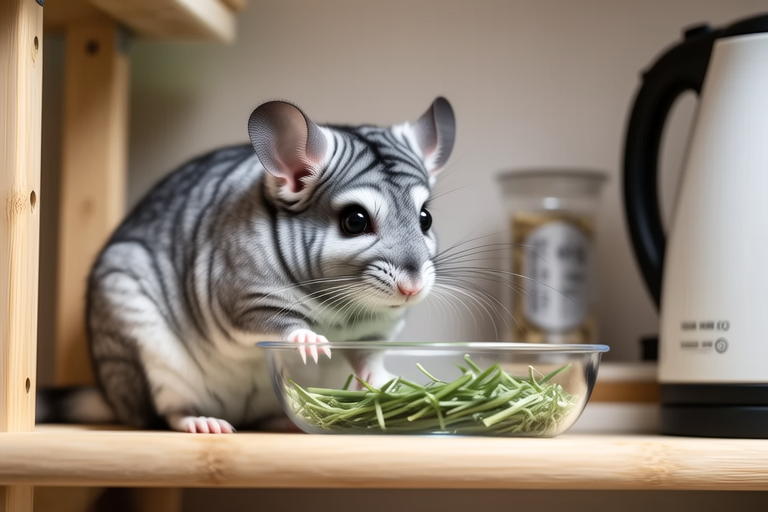
5 Essential Tips for Keeping Your Chinchilla Happy and Healthy at Home
Welcome to the wonderful world of chinchilla ownership! These small, fluffy creatures are not only adorable but also fascinating with their unique characteristics. Chinchillas have a rich history dating back centuries, originally native to the Andes Mountains in South America. They were once hunted for their luxurious fur, which was used in high-end fashion. Today, they are cherished as pets for their playful personalities and charming behaviors. As a chinchilla owner, it’s essential to understand their specific needs to ensure they live long, healthy, and happy lives. This guide provides five essential tips for keeping your chinchilla happy and healthy at home.
1. Providing Optimal Housing Conditions
Chinchillas are sensitive to heat and humidity, so their living environment must be carefully controlled. The ideal temperature range for a chinchilla habitat is between 64°F (18°C) and 70°F (21°C), with low humidity levels below 40%. High temperatures can cause heatstroke, while excessive humidity can lead to fungal infections or respiratory issues. To maintain a suitable climate, place your chinchilla’s cage in a cool, well-ventilated area away from direct sunlight, radiators, and air conditioning units.
Choose a spacious cage with multiple levels and ramps for climbing and exploring. The cage should be large enough to accommodate a dust bath box, food and water dishes, and a hideaway. Wire-bottom cages are generally not recommended due to the risk of foot injuries. Instead, opt for solid flooring or provide a thick layer of bedding, such as paper-based products or wood shavings. Avoid cedar and pine shavings, as they may contain aromatic oils harmful to chinchillas.
Regular cleaning is crucial to prevent bacterial growth and odor. Remove waste daily and replace bedding weekly. Disinfect the cage every few months with a pet-safe cleaner. Proper ventilation is also important, as chinchillas are prone to respiratory problems. Ensure the cage has adequate airflow without drafts.
2. Meeting Their Nutritional Needs
Chinchillas have delicate digestive systems, so their diet requires careful consideration. Their primary food source should be high-quality chinchilla pellets, which provide balanced nutrition. Pellets should contain approximately 16% protein, 4% fat, and 18% fiber. Offer fresh timothy hay or orchard grass daily, as it aids digestion and prevents dental issues. Limit treats to no more than 10% of their diet, choosing options like dried rose hips, sunflower seeds, or raisins. Avoid fruits, vegetables, and sugary snacks, as they can cause obesity and gastrointestinal upset.
Provide fresh, clean water daily in a sipper bottle or water dish. Chinchillas prefer cold water, so keep their water supply cool during warm weather. Monitor their water intake; a decrease could indicate illness. Always introduce new foods gradually to avoid digestive distress.
3. Ensuring Adequate Exercise Opportunities
Chinchillas are naturally active and curious animals, requiring plenty of exercise to stay healthy. In addition to providing a multi-level cage, offer supervised playtime outside the cage each day. A safe, chinchilla-proof room allows them to explore and burn energy. Remove any potential hazards, such as electrical cords, small objects, or toxic plants. Provide toys like tunnels, chew sticks, and balls designed for small rodents. Rotate toys periodically to prevent boredom.
Encourage natural behaviors by placing branches or wooden ladders in their cage for climbing. Chinchillas enjoy gnawing on untreated wood or cardboard to wear down their constantly growing teeth. Regular exercise helps maintain muscle tone, mental stimulation, and overall well-being. However, be mindful of over-exertion, especially in warmer temperatures.
4. Grooming Essentials
Chinchillas possess incredibly dense fur, which requires special attention to prevent matting and skin issues. Dust baths are the best way to keep their coat clean and healthy. Provide a shallow container filled with chinchilla-specific dust, available at pet stores. Allow your chinchilla to bathe for 5-10 minutes twice a week. Excessive bathing can strip the natural oils from their skin, leading to dryness or irritation.
Avoid using water or soap for bathing, as it can damage their fur and skin. If necessary, gently brush their coat with a soft-bristled brush to remove loose hair or debris. Regularly check for signs of discomfort, such as excessive scratching or bald patches. Prompt veterinary care is essential if you notice any abnormalities.
5. Preventing Common Health Issues
Regular veterinary check-ups are crucial for early detection and treatment of potential health problems. Signs of illness include changes in appetite, lethargy, abnormal droppings, or discharge from the eyes or nose. Common health issues include:
- Dental Problems: Chinchillas’ teeth grow continuously throughout their lives. Overgrown teeth can cause pain, difficulty eating, or abscesses. Provide chew toys and monitor their teeth regularly. Consult a veterinarian if you notice any issues.
- Gastrointestinal Stasis: This condition occurs when the digestive system slows or stops functioning properly. Symptoms include decreased appetite, bloating, and infrequent droppings. Encourage regular exercise, proper hydration, and a consistent diet to prevent stasis.
- Respiratory Infections: Chinchillas are susceptible to respiratory infections, often caused by poor ventilation or dusty environments. Keep the cage clean, maintain appropriate humidity levels, and avoid overcrowding.
- Skin Irritations: Chinchillas may develop skin irritations due to allergies, mites, or improper grooming. Seek veterinary advice if you notice redness, itching, or hair loss.
- Heat Stroke: As mentioned earlier, chinchillas are highly sensitive to heat. Ensure they have access to cool areas and plenty of water during hot weather. Watch for signs of distress, such as rapid breathing, lethargy, or unresponsiveness.
Prevention is key to maintaining your chinchilla’s health. Establish a routine that includes regular check-ups, proper diet, and environmental enrichment. Early intervention can prevent minor issues from becoming serious problems.
Conclusion: Love and Responsibility
Owning a chinchilla is a rewarding experience, but it comes with significant responsibilities. By following these five essential tips, you can create a nurturing environment that supports your chinchilla’s physical and emotional well-being. Remember, chinchillas are social animals who thrive on interaction and affection. Spend time bonding with your pet through gentle handling, play, and positive reinforcement training. With patience, care, and dedication, you’ll build a strong, loving relationship that will bring joy to both of you.
As a responsible chinchilla owner, always prioritize your pet’s health and happiness. Stay informed about chinchilla care, seek professional advice when needed, and celebrate the unique qualities that make chinchillas such delightful companions. Enjoy the journey of raising a healthy, happy chinchilla!
